


Medications for Acne: An In-Depth Overview
Acne is a common skin condition that affects millions worldwide, characterized by the presence of pimples, blackheads, and cysts primarily on the face, chest, and back. Effective management often requires pharmacological treatment, especially in moderate to severe cases, to prevent scarring and improve skin appearance. Early diagnosis and appropriate therapy can significantly reduce symptoms, enhance self-esteem, and improve quality of life. Scientific studies highlight that tailored treatments based on acne severity and patient factors lead to better outcomes, emphasizing the importance of medical guidance.
What is Acne?
Acne is a chronic inflammatory skin disorder that primarily involves the pilosebaceous units—hair follicles and their associated oil glands. It predominantly affects adolescents but can persist into adulthood, impacting both genders and all skin types. The condition manifests through various lesions such as comedones, papules, pustules, and nodules, often leading to skin scarring if untreated. Recognizing and treating acne promptly is crucial to prevent permanent skin damage and psychological effects, especially in young individuals. Its prevalence varies globally, but it remains one of the most common dermatological conditions.
Definition and Main Characteristics of Acne
Acne is a multifactorial disease caused by excess sebum production, follicular hyperkeratinization, bacterial colonization (notably by Propionibacterium acnes), and inflammation. It progresses through stages, from mild comedonal acne to severe cystic forms. The disease can be classified based on severity:
- Mild: predominantly open and closed comedones
- Moderate: presence of papules and pustules
- Severe: nodules and cysts with potential scarring
Risk groups include teenagers, individuals with hormonal imbalances, and those with a family history. The disease's chronic nature necessitates timely intervention to prevent long-term skin damage.
Symptoms of Acne
Acne typically presents with a combination of skin lesions such as blackheads, whiteheads, red papules, pustules, and sometimes painful cysts. The severity and distribution of lesions can vary, often worsening during hormonal changes or stress. Early signs include small, non-inflammatory comedones that may be mistaken for simple skin blemishes. Recognizing these initial symptoms allows for prompt treatment, reducing the risk of scarring and psychological impact. The appearance of inflamed lesions and cysts indicates progression and may require more aggressive therapy.
How to Recognize the First Signs of Acne
In the initial stages, common signs include:
- Small, flesh-colored or darkened bumps (comedones)
- Occasional redness or swelling around lesions
- Presence of blackheads or whiteheads, especially on the forehead, nose, and chin
These symptoms are often mistaken for other skin issues, but persistent occurrence warrants medical consultation. Differentiating early acne from other dermatological conditions ensures timely management.
Causes and Risk Factors of Acne
Acne results from a complex interplay of internal and external factors. Genetic predisposition plays a significant role, influencing sebum production and skin response. Hormonal fluctuations, especially during puberty, pregnancy, or due to endocrine disorders, can trigger increased oiliness and acne development. External factors such as diet, stress, certain medications, and environmental pollution also contribute. Lifestyle habits like poor hygiene or excessive skin cleansing may exacerbate the condition, while some infections and stress levels can worsen inflammation. Understanding these factors helps in developing personalized treatment plans and preventive strategies.
Factors Contributing to Acne Development
Key contributors include:
- Hormonal changes: increased androgen levels stimulate sebum production
- Genetics: family history influences susceptibility
- Diet: high glycemic foods and dairy may aggravate acne in some individuals
- Stress: triggers hormonal responses that can worsen skin inflammation
- External factors: pollution, cosmetics, and occlusive clothing
Recognizing these factors is essential for implementing effective prevention and management strategies, reducing the risk of persistent or severe acne.
Types of Medications and Treatments
Managing acne depends on its severity, with options ranging from over-the-counter remedies to prescription medications. Mild cases often respond well to topical agents, while moderate to severe forms may require systemic therapy. The choice of treatment considers patient age, skin type, and presence of scarring. Combining therapies can enhance effectiveness, but always under medical supervision to minimize side effects and ensure safety. Regular follow-up allows adjustments tailored to individual responses, optimizing outcomes.
Medications for Acne Treatment
| Type of Medication | Example of Active Ingredient | Therapeutic Purpose |
|---|---|---|
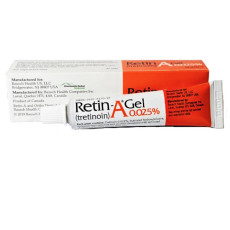
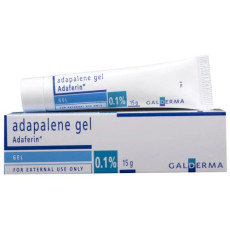
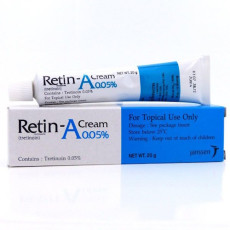
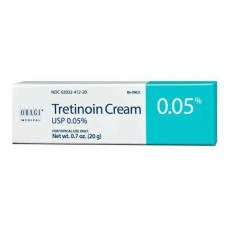
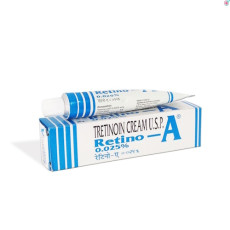
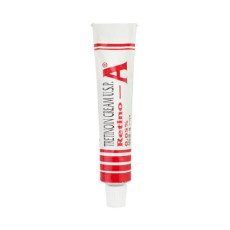
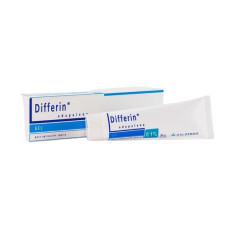
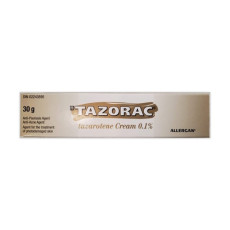
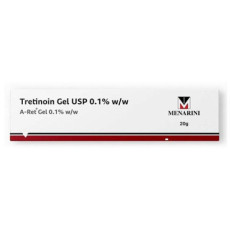
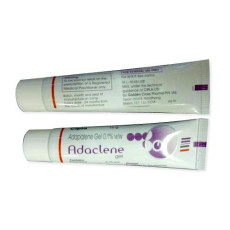
| Topical Retinoids | Tretinoin, Adapalene | Normalize keratinization, prevent comedone formation |
| Topical Antibiotics | Erythromycin, Clindamycin | Reduce bacterial colonization and inflammation |
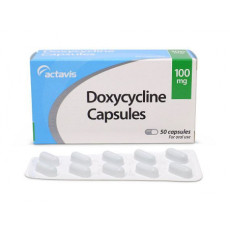
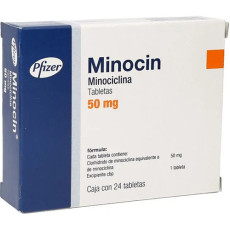
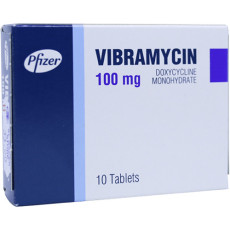
| Oral Antibiotics | Doxycycline, Minocycline | Control moderate to severe inflammatory acne |
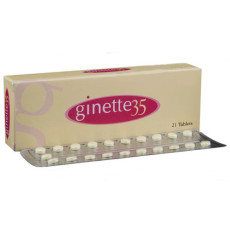
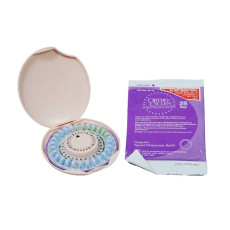
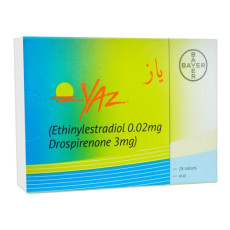
| Hormonal Agents | Combined oral contraceptives, Spironolactone | Regulate hormonal fluctuations, reduce sebum |
| Systemic Isotretinoin | Isotretinoin | Severe nodulocystic acne, reduces sebum production |
Naturally Derived Remedies for Acne
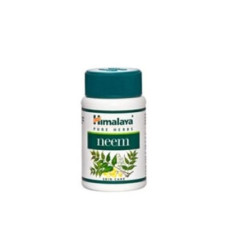
While medications remain the mainstay, some natural approaches can complement treatment. Examples include tea tree oil, which has antimicrobial properties; aloe vera for soothing inflammation; and green tea extracts with antioxidant effects. Maintaining a balanced diet, practicing good hygiene, and managing stress can also help reduce flare-ups. However, these remedies should be used as adjuncts and always under medical supervision to avoid adverse reactions. Scientific evidence supports their role in mild cases or as preventive measures, but they do not replace conventional therapies.
Forms and Presentations: Tablets, Capsules, and More
Medications for acne are available in various forms, including tablets, capsules, gels, creams, and injections. Oral formulations like tablets and capsules are often used for moderate to severe cases, providing systemic effects. Topical preparations, such as gels and creams, are preferred for mild to moderate acne due to targeted action and fewer systemic side effects. In some cases, injectable treatments may be employed for cystic lesions. Each form offers specific advantages, such as rapid absorption, ease of application, or prolonged release, tailored to the treatment plan.
Over-the-Counter (OTC) Medications
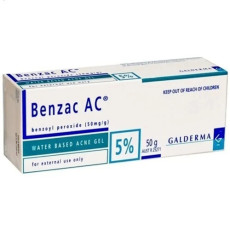
For mild acne, OTC products can be effective in controlling symptoms. Common options include benzoyl peroxide, salicylic acid, and sulfur-based preparations. These agents help reduce bacteria, unclog pores, and decrease inflammation. It is important to follow usage instructions carefully, as overuse can cause skin irritation. If symptoms persist beyond a few weeks or worsen, consulting a healthcare professional is recommended. OTC medications are suitable for initial management but are not substitutes for prescription therapies in more severe cases.
Diagnosis and When to See a Doctor
Diagnosis of acne is primarily clinical, based on visual examination of skin lesions and patient history. Dermatologists assess lesion type, distribution, severity, and potential contributing factors. Laboratory tests are rarely necessary but may be performed to rule out hormonal imbalances or other underlying conditions. Self-medication is discouraged, as inappropriate treatment can worsen the condition or cause side effects. Early consultation with a healthcare provider ensures accurate diagnosis and personalized treatment, improving prognosis and reducing complications.
Diagnostic Tests and Methods for Acne
| Type of Test | Purpose | Diagnostic Value |
|---|---|---|
| Clinical Examination | Assess lesion type, distribution, severity | Primary diagnostic method |
| Hormonal Blood Tests | Detect hormonal imbalances (e.g., androgens) | Useful in adult women with persistent or severe acne |
| Skin Swabs or Cultures | Identify bacterial colonization or infection | Rarely necessary, reserved for suspected secondary infections |
Signs That Require Urgent Medical Attention
Immediate medical consultation is necessary if symptoms include rapid lesion spread, severe pain, extensive cyst formation, or signs of systemic infection such as fever. Also, if there are signs of medication side effects like severe allergic reactions, liver problems, or mood changes, prompt evaluation is essential. Delaying treatment in these situations can lead to permanent scarring or serious health complications. Recognizing these warning signs ensures timely intervention and better outcomes.
Precautions and Potential Side Effects
Even medications considered safe can cause adverse reactions if misused. Following prescribed dosages and instructions minimizes risks. Patients should be aware of possible side effects such as skin irritation, dryness, or gastrointestinal discomfort. Certain groups, including pregnant women, children, elderly, or those with chronic illnesses, require special precautions. Regular monitoring by healthcare providers helps detect and manage side effects early, ensuring safe and effective therapy.
Common Side Effects
| Type of Effect | Frequency | Severity | Recommendations |
|---|---|---|---|
| Skin dryness, peeling | Common | Mild to moderate | Use moisturizers, adjust application frequency |
| Nausea, gastrointestinal upset | Less common | Mild to severe | Take with food, consult doctor if persistent |
| Allergic reactions (rash, swelling) | Rare | Severe | Seek immediate medical attention |
Safe Medication Use Tips
- Follow prescribed dosages precisely and do not exceed recommended amounts.
- Avoid alcohol and certain foods if advised by your healthcare provider.
- Store medications in a cool, dry place away from children.
- Attend regular follow-up appointments for monitoring and dose adjustments.
- Report any side effects or unusual symptoms promptly to your doctor.
Prevention and Daily Care
Implementing daily skincare routines and lifestyle modifications plays a vital role in managing and preventing acne. Regular cleansing with gentle products, avoiding harsh scrubbing, and using non-comedogenic cosmetics help keep pores clear. Maintaining a balanced diet, staying hydrated, and managing stress can reduce flare-ups. Routine medical check-ups allow early detection of potential triggers and enable timely interventions. Tailoring these measures to individual needs enhances long-term skin health and minimizes recurrence.
Recommended Habits to Reduce Acne Risk
Effective habits include:
- Washing the face twice daily with mild, non-irritating cleansers
- Avoiding excessive touching or picking at lesions
- Using oil-free, non-comedogenic skincare and makeup products
- Eating a balanced diet rich in fruits, vegetables, and whole grains
- Managing stress through relaxation techniques and regular exercise
Additional Preventive Measures
Secondary prevention involves routine dermatological evaluations, avoiding known irritants, and possibly supplementing with vitamins or medications as recommended. Vaccinations are generally not related to acne prevention but maintaining overall health supports skin resilience. Following medical advice and adhering to treatment plans contribute to better control and reduce the likelihood of relapse, supporting overall well-being.
Prognosis and Recovery
The outlook for acne varies depending on disease severity, promptness of treatment, and individual skin response. Most patients experience significant improvement with appropriate therapy, especially when treatment is initiated early. Maintaining a healthy lifestyle and adhering to prescribed regimens accelerates healing and minimizes scarring. Long-term management may be necessary for chronic or recurrent cases, emphasizing the importance of ongoing medical supervision. With proper care, the majority of individuals achieve satisfactory skin condition and quality of life.
Typical Recovery Time
| Type of Case | Average Recovery Time | Comments |
|---|---|---|
| Mild Acne | Few days to weeks | Rapid improvement with topical treatments |
| Moderate Acne | Several weeks to months | Requires combination therapy and patience |
| Severe or Cystic Acne | Months to a year | Long-term treatment and monitoring needed; risk of scarring |
Factors Enhancing Prognosis
- Adherence to prescribed treatment plans
- Early intervention at initial stages
- Consistent skincare routine
- Regular follow-up with healthcare providers
- Healthy lifestyle choices, including diet and stress management
Lifestyle Changes for Better Outcomes
Patients should adopt habits such as maintaining proper hygiene, avoiding skin irritants, and managing stress effectively. Incorporating a balanced diet and ensuring adequate sleep support skin healing. Avoiding smoking and excessive sun exposure can also improve prognosis. These lifestyle modifications complement medical treatments and help prevent recurrences, leading to healthier skin over time.
Potential Complications of Untreated Acne
If not properly managed, acne can lead to permanent scarring, hyperpigmentation, and psychological effects like low self-esteem or depression. Severe cases may result in cyst formation and secondary infections. Delayed or inadequate treatment increases the risk of these complications, emphasizing the importance of early, consistent medical care. Preventing these outcomes depends on active management and patient commitment to therapy.
| Complication | Frequency | Severity | Prevention |
|---|---|---|---|
| Scarring | Common in severe cases | Permanent | Early treatment, avoid picking lesions |
| Post-inflammatory hyperpigmentation | Frequent | Temporary to long-lasting | Proper skin care, sun protection |
| Psychological impact | Variable | Can be severe | Timely management, psychological support if needed |
With appropriate treatment and active management, most patients recover well, avoiding long-term skin damage and maintaining a good quality of life. Consistent follow-up and lifestyle adjustments are key to achieving optimal results.
Where to Purchase Acne Medications
Medications for acne are widely available both in physical pharmacies and online stores. It is essential to verify the licensing and authenticity of the pharmacy to avoid counterfeit products. Ensuring the quality and proper storage of medications is crucial for safety and effectiveness. Our online pharmacy offers a secure platform with certified products, providing convenience and peace of mind for consumers seeking acne treatments.
Safe Shopping in Our Certified Online Pharmacy
Shopping through our authorized online pharmacy offers numerous advantages, including professional consultation, guaranteed product authenticity, and secure payment options. We ensure strict quality control, proper packaging, and discreet shipping. Before purchasing, verify the pharmacy’s license, check product labels, expiration dates, and consult our pharmacists for personalized advice. These precautions help safeguard your health and ensure you receive genuine medications.
Can You Buy Acne Medications Online Without a Prescription?
Yes, in Italy, all acne medications available through our online pharmacy can be purchased without a prescription. This includes over-the-counter topical agents and certain systemic treatments, depending on local regulations. However, it remains important to consult a healthcare professional for proper diagnosis and treatment planning, especially for moderate to severe cases. When buying online, ensure that the platform is reputable, and always follow the recommended dosages and usage instructions to ensure safety and efficacy.
Shipping Options and Quality Assurance
We offer various shipping methods, including standard, expedited, and international delivery, tailored to customer needs. Our logistics process incorporates strict quality controls such as batch traceability, temperature regulation, and secure packaging to preserve medication integrity. Customers can track shipments in real-time, ensuring transparency and reliability. These measures guarantee that your medications arrive safely and in optimal condition, supporting effective treatment outcomes.
Pricing, Availability, and Discounts in Italy
The cost of acne medications in Italy depends on multiple factors, including whether the product is a brand-name or generic, dosage, form (tablets, capsules, topical), and whether a prescription is required. Prices can vary across regions and between physical and online pharmacies, with seasonal promotions and discounts often available. Availability may fluctuate based on demand, stock levels, or specific formulations. Many pharmacies offer special deals, coupons, and loyalty programs that make treatments more affordable. Patients are encouraged to compare prices, inquire about generic options, and ask pharmacists about ongoing promotions to optimize their investment in skin health. If a particular formulation or strength is needed, advance planning can facilitate ordering and delivery.
| Prodotti in farmacia | Prezzo |
|---|---|
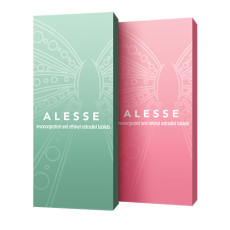
| Alesse 0.15+0.03 mg compresse | 83.08 € |
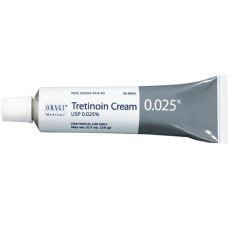
| Tretinoina 0.025% Crema 20 g | 71.71 € |
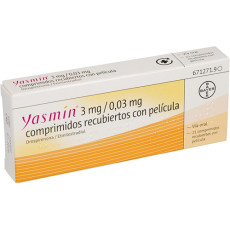
| Yasmin 0.03+3 mg compresse | 130.30 € |
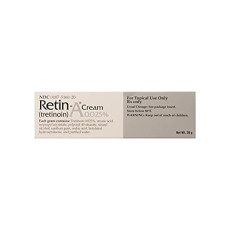
| Retin A 0.025 Crema Tretinoina 20 g | 69.96 € |
| Retin A 0.025 Gel Tretinoina 20 g | 71.71 € |
FAQ: Acne nel 2026
-
Occorre una ricetta per comprare Acne in farmacia?
-
Quali opzioni di pagamento sono accettate?
-
Qual è il prezzo di Acne in Italia?
-
È possibile ordinare Acne dalla vostra farmacia online?
-
Cosa devo sapere riguardo alla spedizione?
-
Acne è un prodotto legale in Italia?
-
I prodotti più venduti in farmacia