



Medications for the Treatment of Capsulitis
Capsulitis, commonly known as frozen shoulder, is a condition characterized by pain and restricted movement in the shoulder joint. It affects a significant number of adults, especially those over 40, and can severely impact daily activities and quality of life. Early diagnosis and appropriate medication help manage symptoms effectively, reducing discomfort and preventing progression. Pharmacological treatment plays a crucial role in controlling inflammation, alleviating pain, and restoring shoulder mobility, making it essential for a successful recovery process.
What is Capsulitis?
Capsulitis is a condition involving inflammation and thickening of the shoulder capsule, which limits joint movement. It typically develops gradually and can be classified as either primary (idiopathic) or secondary, resulting from injury or other underlying conditions. The disease often progresses through three stages: freezing, frozen, and thawing, each with distinct symptoms. Recognizing and treating capsulitis promptly is vital to prevent long-term stiffness and functional impairment. Scientific studies highlight that early intervention can significantly improve outcomes and reduce the duration of symptoms.
Definition and Main Characteristics of Capsulitis
Capsulitis is a chronic inflammatory disorder affecting the shoulder joint capsule, leading to pain and decreased mobility. It is caused by a combination of factors such as inflammation, fibrosis, and sometimes autoimmune responses. The disease progresses slowly, often over months, and can severely limit shoulder function if untreated. Risk groups include middle-aged adults, individuals with diabetes, and those with previous shoulder injuries. The condition is classified as primary when no clear cause is identified, and secondary when linked to trauma, surgery, or systemic diseases. The severity varies, but early diagnosis and treatment are key to preventing persistent stiffness and disability.
Symptoms of Capsulitis
Capsulitis manifests primarily through shoulder pain and stiffness, which gradually worsen over time. Common symptoms include a dull ache, difficulty moving the shoulder, and pain that worsens at night or with certain movements. The symptoms tend to follow a predictable pattern, starting with mild discomfort and progressing to severe restriction of movement. Recognizing these early signs allows for timely intervention, which can significantly shorten recovery time. Patients often report a gradual loss of shoulder range of motion, impacting daily tasks like dressing or reaching overhead.
How to Recognize Early Signs of Capsulitis
In the initial stages, patients may notice mild shoulder pain, especially during movement or at night. Stiffness becomes apparent as the shoulder feels tight and difficult to move fully. These early symptoms can be mistaken for other shoulder issues, but persistent pain and decreasing mobility should prompt medical consultation. Common early signs include:
- Gradual increase in shoulder pain
- Reduced range of motion
- Discomfort during daily activities
Early detection is crucial for effective management and to prevent progression to more severe stages of the disease.
Causes and Risk Factors of Capsulitis
While the exact cause of primary capsulitis remains unknown, several factors contribute to its development. These include systemic conditions like diabetes, thyroid disorders, and autoimmune diseases, as well as previous shoulder injuries or surgeries. Environmental and lifestyle factors such as prolonged immobility, repetitive shoulder use, or trauma can also increase risk. Age is a significant factor, with middle-aged adults being more susceptible. Scientific research indicates that metabolic and inflammatory pathways play a role in the disease’s pathogenesis, emphasizing the multifactorial nature of capsulitis.
Factors Contributing to Capsulitis
Key factors that promote the development of capsulitis include:
- Diabetes mellitus, which increases inflammation and fibrosis
- Previous shoulder injuries or immobilization
- Autoimmune conditions that affect connective tissue
- Age over 40, with higher prevalence in middle-aged adults
- Repetitive shoulder movements or overuse
Understanding these factors helps in adopting preventive measures and early interventions to reduce disease risk.
Types of Medications and Treatments
The management of capsulitis involves a combination of pharmacological and physical therapies. The choice of medication depends on the severity of symptoms, patient age, and overall health. Mild cases may benefit from over-the-counter options, while more advanced stages often require prescription drugs. Always consult a healthcare professional before starting any treatment to ensure safety and appropriateness. Early and targeted medication can help reduce inflammation, relieve pain, and facilitate mobility recovery.
Medications for the Treatment of Capsulitis
Several drug groups are used to treat capsulitis, each with specific therapeutic goals:
- Non-steroidal anti-inflammatory drugs (NSAIDs): Examples include ibuprofen and naproxen, aimed at reducing inflammation and pain.
- Analgesics: Such as acetaminophen, used to alleviate pain when NSAIDs are contraindicated.
- Corticosteroids: Administered orally or via injections (e.g., prednisone, methylprednisolone) to rapidly decrease inflammation and swelling.
- Physical therapy medications: Sometimes combined with muscle relaxants or analgesics to improve mobility.
| Type of Drug | Example of Active Ingredient | Therapeutic Purpose |
|---|---|---|
| NSAIDs | Ibuprofen, Naproxen | Reduce inflammation and pain |
| Corticosteroids | Prednisone, Methylprednisolone | Rapid anti-inflammatory effect |
| Analgesics | Acetaminophen | Pain relief |
Naturally Based Remedies for Capsulitis
Complementary approaches such as physical therapy, hot/cold therapy, and herbal supplements may help alleviate symptoms. For example, applying heat can reduce muscle tension, while cold packs can decrease inflammation. Some patients find benefits in herbal remedies like turmeric or ginger, known for their anti-inflammatory properties. However, these natural methods should only be used alongside prescribed treatments and under medical supervision. They are not substitutes but can support overall symptom management and comfort.
Forms and Presentations: Tablets, Capsules, Liquids
Medications for capsulitis are available in various forms, including tablets, capsules, syrups, ointments, and injections. Tablets and capsules are the most common, offering convenience and precise dosing. Topical ointments or gels can be applied directly to the shoulder area for localized relief. Injections, such as corticosteroids, provide targeted anti-inflammatory effects, especially in more severe cases. The choice of form depends on the severity of symptoms, patient preference, and medical advice. Each form offers specific advantages, like rapid absorption or ease of use, tailored to individual needs.
Over-the-Counter (OTC) Medications
For mild symptoms, OTC medications can provide temporary relief. Non-prescription NSAIDs like ibuprofen or naproxen are commonly used to reduce pain and inflammation. Acetaminophen may be an alternative for pain relief when NSAIDs are contraindicated. It is important to follow dosing instructions carefully and consult a pharmacist if symptoms persist beyond a few days. If pain or stiffness worsens or does not improve, seeking medical advice is essential to prevent complications or progression of the disease.
Diagnosis and When to See a Doctor
Diagnosis of capsulitis involves a clinical examination by a healthcare professional, who assesses shoulder movement, pain levels, and stiffness. Imaging studies such as X-rays or MRI may be used to exclude other shoulder conditions and confirm the diagnosis. Laboratory tests are generally not necessary unless an underlying systemic disease is suspected. Self-medication is discouraged because only a specialist can determine the severity and appropriate treatment plan. Early diagnosis improves the chances of effective management and faster recovery.
Diagnostic Tests and Methods for Capsulitis
Diagnosis typically involves:
- Physical examination: assessing range of motion and pain points
- X-ray imaging: to rule out other joint issues
- MRI scans: for detailed visualization of soft tissues
- Ultrasound: to evaluate inflammation and joint capsule thickening
| Type of Test | Purpose | Diagnostic Value |
|---|---|---|
| Physical Exam | Assess mobility and pain | Primary diagnostic tool |
| X-ray | Exclude other causes | Normal or mild changes |
| MRI | Visualize soft tissue | Capsule thickening, inflammation |
Signs That Require Urgent Medical Attention
If sudden severe shoulder pain occurs, accompanied by weakness, numbness, or loss of function, immediate medical care is necessary. Symptoms such as persistent swelling, redness, or signs of infection also warrant urgent evaluation. Any sudden worsening of symptoms or signs of systemic illness, like fever, should prompt prompt consultation. Delaying treatment in such cases can lead to complications, prolonged recovery, or permanent damage.
Precautions and Side Effects
Even medications considered safe can cause adverse reactions if misused. Following prescribed dosages and instructions minimizes risks. Monitoring for side effects such as gastrointestinal discomfort, allergic reactions, or liver issues is important, especially with long-term use. Particular caution is advised for vulnerable groups like children, pregnant women, the elderly, or those with chronic illnesses. Regular follow-up with a healthcare provider ensures safe and effective treatment, reducing the likelihood of complications.
Common Side Effects
Most medications may cause mild side effects such as nausea, stomach upset, or drowsiness. More serious reactions, though less common, include allergic skin reactions, liver toxicity, or cardiovascular issues. The risk varies depending on the drug type, dosage, and patient health status. Recognizing early signs of adverse effects allows prompt intervention and adjustment of therapy to prevent serious complications.
Safe Medication Use Tips
- Always adhere to prescribed dosages and schedules
- Do not mix medications without medical advice
- Store medicines in a cool, dry place away from children
- Report any side effects or unusual symptoms to your doctor promptly
- Attend regular check-ups to monitor treatment progress
Responsible medication use and ongoing medical supervision are essential for optimal recovery and safety.
Prevention and Daily Care
Preventive measures and daily habits can significantly reduce the risk of capsulitis or recurrence. Maintaining shoulder mobility through regular gentle exercises, avoiding prolonged immobility, and managing underlying health conditions are key strategies. Routine medical check-ups enable early detection of potential issues. Adopting a healthy lifestyle, including balanced nutrition and stress management, supports overall joint health. Educating oneself about proper ergonomics and avoiding repetitive strain can further help in prevention.
Recommended Habits to Reduce Risk of Capsulitis
Effective habits include:
- Engaging in regular shoulder-strengthening exercises
- Avoiding prolonged shoulder immobilization
- Maintaining a healthy weight to reduce joint stress
- Managing blood sugar levels in diabetics
- Practicing good posture and ergonomics during daily activities
Additional Preventive Measures
Secondary prevention involves routine medical evaluations, vaccination against infections that may affect joints, and nutritional support with vitamins like D and C. Following medical advice on activity modification and early treatment of shoulder injuries can prevent progression. Consistent adherence to these measures enhances long-term joint health and reduces the likelihood of capsulitis recurrence.
Prognosis and Recovery
The outlook for capsulitis depends on the disease stage, promptness of treatment, and overall health. Most patients experience significant improvement with appropriate therapy, especially if diagnosed early. Adherence to treatment plans and lifestyle modifications accelerate recovery. Scientific evidence suggests that with proper management, the majority recover fully within 12 to 24 months, although some may experience residual stiffness. Continuous follow-up ensures optimal outcomes and prevents relapse.
Typical Recovery Time
The recovery duration varies with severity. Mild cases often resolve within a few weeks, while more advanced or chronic cases may take several months. For example, early-stage capsulitis may improve in 4-6 weeks, whereas severe cases could require 6-12 months or longer. Chronic conditions may need ongoing physical therapy and monitoring to achieve gradual improvement. The table below summarizes typical recovery times based on disease severity:
| Type of Case | Average Recovery Time | Comments |
|---|---|---|
| Mild | 4-6 weeks | Rapid response to treatment |
| Moderate | 3-6 months | Requires consistent therapy |
| Severe/Chronic | 6-12 months or more | May need ongoing management |
Factors Enhancing Prognosis
- Early diagnosis and initiation of treatment
- Patient adherence to therapy and exercises
- Control of underlying conditions like diabetes
- Regular physical therapy sessions
- Healthy lifestyle and weight management
These factors significantly increase the chances of full recovery and reduce the risk of recurrence.
Lifestyle Changes for Better Outcomes
Adopting healthy habits can facilitate healing and prevent future episodes. Patients should incorporate gentle shoulder exercises, avoid unnecessary immobilization, and maintain overall physical activity. Proper nutrition, adequate rest, and stress management support tissue repair. Avoiding smoking and excessive alcohol consumption also contribute to better joint health. Consistent follow-up with healthcare providers ensures ongoing support and adjustment of treatment as needed.
Potential Complications
If left untreated or poorly managed, capsulitis can lead to persistent shoulder stiffness, chronic pain, and functional impairment. In some cases, joint capsule thickening becomes permanent, limiting movement permanently. Rarely, secondary complications such as rotator cuff tears or nerve impingement may occur. Preventing these outcomes depends on timely medical intervention and patient commitment to therapy. The table below summarizes possible complications:
| Complication | Frequency | Severity | Prevention |
|---|---|---|---|
| Chronic stiffness | Common if untreated | Moderate to severe | Early diagnosis and therapy |
| Rotator cuff injury | Less frequent | Serious | Proper management of inflammation |
| Nerve impingement | Rare | Serious | Monitoring and timely intervention |
With appropriate treatment and ongoing care, most patients recover well and avoid long-term complications, ensuring restored shoulder function and quality of life.
Where to Buy Medications for Capsulitis
Medications for capsulitis are available both in physical pharmacies and online stores. It is essential to verify the licensing and reputation of the pharmacy to ensure the authenticity and quality of the medicines. Avoiding counterfeit products is crucial for safety and efficacy. All medications for capsulitis can be conveniently purchased through our trusted online pharmacy, which complies with Italian regulations and guarantees product authenticity.
Safe Shopping in Our Online Pharmacy
Shopping at our authorized online pharmacy offers several advantages, including professional consultation, guaranteed product quality, and secure payment options. We ensure the authenticity of all medicines through strict quality controls and proper packaging. Before purchasing, verify the pharmacy’s license, check the expiry date, and inspect the packaging for integrity. If unsure, consult our pharmacists for guidance on medication selection and proper use. Our platform also provides easy return policies and customer support for a safe shopping experience.
Can You Buy Capsulitis Medications Online Without a Prescription?
All medications used for capsulitis treatment are available for purchase online without a prescription through our licensed Italian pharmacy. This includes NSAIDs, analgesics, and corticosteroid injections, which can be obtained safely and legally. However, it is important to consult a healthcare professional for proper diagnosis and treatment planning. When buying online, ensure that the pharmacy is authorized, check product authenticity, and follow the recommended dosages. Self-medicating without proper medical advice can lead to adverse effects or ineffective treatment.
Shipping Options and Quality Assurance
Our online pharmacy offers various shipping methods, including standard, express, and international delivery, to meet your needs. We implement rigorous quality control measures such as batch traceability, temperature monitoring, and secure packaging to preserve medication integrity. Each shipment is tracked from dispatch to delivery, ensuring transparency and safety. Customers can rely on our commitment to quality, timely delivery, and confidentiality, making online purchasing a convenient and secure option for managing capsulitis.
Price, Availability, and Discounts in Italian Pharmacies
The cost of medications for capsulitis in Italy varies depending on factors such as the drug’s brand or generic status, dosage, form (tablets, capsules, liquids), and whether a prescription is required. Regional differences and pharmacy channels, including online versus brick-and-mortar stores, also influence pricing. Availability may fluctuate based on demand, seasonality, or stock levels, with some formulations requiring special orders. Many pharmacies offer discounts, promotional codes, and loyalty programs that can reduce costs. Patients are encouraged to compare prices, inquire about generic alternatives, and ask pharmacists about ongoing promotions to find the most affordable options. Planning ahead and seeking advice can help ensure access to effective treatment at a reasonable price.
| Prodotti in farmacia | Prezzo |
|---|---|
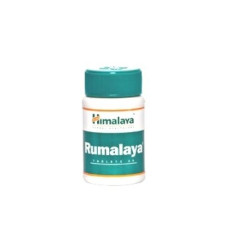
| Rumalaya 60 compresse | 83.08 € |
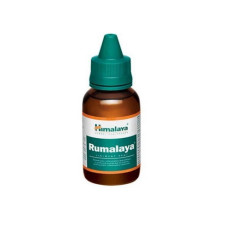
| Rumalaya 60 ml linimento | 86.58 € |
| Rumalaya Gel 30 g | 47.22 € |
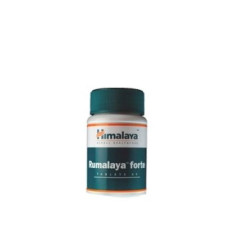
| Rumalaya forte 30 compresse | 45.47 € |
FAQ: Capsulite nel 2026
-
Occorre una ricetta per comprare Capsulite in farmacia?
-
Quali opzioni di pagamento sono accettate?
-
Qual è il prezzo di Capsulite in Italia?
-
È possibile ordinare Capsulite dalla vostra farmacia online?
-
Cosa devo sapere riguardo alla spedizione?
-
Capsulite è un prodotto legale in Italia?
-
I prodotti più venduti in farmacia