


Medications for COVID-19
COVID-19, caused by the SARS-CoV-2 virus, has become a global health concern since its emergence in late 2019. While many individuals experience mild symptoms, others can develop severe illness requiring medical intervention. Effective treatment options are essential to manage symptoms, reduce complications, and improve recovery outcomes. Early diagnosis combined with appropriate pharmacological therapy plays a crucial role in controlling the disease course and enhancing quality of life. Scientific research continues to evolve, providing insights into the most effective medications and treatment strategies for different stages of COVID-19.
What is COVID-19?
COVID-19 is an infectious respiratory disease primarily affecting the lungs, caused by the novel coronavirus SARS-CoV-2. It spreads mainly through respiratory droplets when infected individuals cough, sneeze, or talk. The illness can be acute, with symptoms appearing suddenly, or in some cases, it may lead to prolonged health issues. Timely diagnosis and treatment are vital because they help prevent disease progression, reduce transmission, and lower the risk of severe complications. The disease's impact varies widely, from asymptomatic cases to critical illness, especially in vulnerable populations.
Definition and Main Characteristics of COVID-19
COVID-19 is a contagious viral infection characterized by a wide spectrum of clinical presentations. It is caused by the SARS-CoV-2 virus, which primarily targets the respiratory system but can also affect other organs. The disease often begins with symptoms like fever, cough, and fatigue, progressing in some cases to pneumonia, acute respiratory distress syndrome, or multi-organ failure. Risk factors for severe illness include advanced age, underlying health conditions such as cardiovascular disease, diabetes, and immunosuppression. The disease can be classified as mild, moderate, or severe, with severity influenced by individual health status and timely medical intervention.
| Characteristic | Description |
|---|---|
| Type of disease | Acute viral respiratory infection with potential for severe complications |
| Cause | SARS-CoV-2 virus |
| Progression | Initial mild symptoms may worsen to pneumonia or organ failure in high-risk groups |
| Risk groups | Older adults, immunocompromised, those with chronic illnesses |
Symptoms of COVID-19
COVID-19 manifests with a variety of symptoms that can range from mild to severe. Common signs include fever, dry cough, fatigue, and muscle aches. Some individuals also experience shortness of breath, sore throat, loss of taste or smell, and gastrointestinal issues like diarrhea or nausea. The severity and combination of symptoms often depend on the stage of the illness, with early symptoms being more general and later symptoms indicating progression. Recognizing these signs promptly allows for early intervention, which can significantly influence recovery outcomes. It is important to monitor symptoms carefully and seek medical advice if they worsen or persist.
How to Recognize Early Signs of COVID-19
In the initial phase, the most frequent symptoms include fever, dry cough, and fatigue. These are often accompanied by sore throat, headache, and mild body aches. Loss of taste or smell is also a distinctive early indicator. These symptoms can resemble those of other respiratory infections, but their sudden onset and combination should prompt testing and medical consultation. Early recognition is crucial because it enables timely isolation and treatment, reducing the risk of spreading the virus and preventing disease escalation.
| Type of symptom | Frequency | Estimated severity | Notes |
|---|---|---|---|
| Fever | High in most cases | Moderate to severe | Often the first symptom |
| Cough | Common | Variable | Dry cough typical |
| Loss of taste/smell | Frequent | Variable | Distinctive early sign |
| Shortness of breath | Less common initially | Severe if progresses | Indicates possible worsening |
Causes and Risk Factors of COVID-19
The primary cause of COVID-19 is infection with the SARS-CoV-2 virus, which spreads mainly through respiratory droplets and contact with contaminated surfaces. External factors such as crowded environments, poor ventilation, and close contact with infected individuals increase the risk of transmission. Internal factors include age, immune system status, and pre-existing health conditions like cardiovascular disease, diabetes, or respiratory illnesses. Lifestyle habits such as smoking and poor hygiene can also elevate susceptibility. Environmental factors, including pollution and climate, may influence disease spread and severity. Recognizing these risk factors helps in adopting preventive measures to reduce infection likelihood.
Factors Contributing to COVID-19 Development
Several factors can facilitate the development and spread of COVID-19. External factors like high population density and inadequate ventilation increase exposure risk. Internal factors such as age, immune response, and chronic health conditions influence disease severity. Lifestyle choices, including smoking and poor hygiene, can compromise respiratory defenses. Environmental conditions like air pollution may exacerbate respiratory symptoms. Often, multiple factors interact, amplifying the likelihood of infection and severe outcomes. Understanding these contributors is essential for targeted prevention and risk reduction strategies.
| Risk factor | Description | Probability |
|---|---|---|
| Age | Older adults have higher susceptibility and risk of severe disease | High |
| Pre-existing conditions | Chronic illnesses increase complication risk | Moderate to high |
| Environmental exposure | Poor air quality and crowded settings facilitate spread | Variable |
Types of Medications and Treatments
The management of COVID-19 varies depending on disease severity, patient age, and underlying health. Mild cases often require symptomatic relief with over-the-counter medications, while moderate to severe cases may need specific antiviral drugs, corticosteroids, or other targeted therapies. The choice of treatment is always guided by healthcare professionals to ensure safety and effectiveness. Supportive care, including hydration and rest, remains fundamental, but pharmacological interventions can significantly influence disease progression and recovery. Ongoing research continues to identify new therapeutic options to improve outcomes.
Medications for COVID-19 Treatment
Several classes of drugs are used in managing COVID-19, each with specific therapeutic goals. Antiviral agents like remdesivir aim to inhibit viral replication. Corticosteroids such as dexamethasone help reduce inflammation in severe cases. Monoclonal antibodies, including casirivimab and imdevimab, are used for early treatment in high-risk patients. Supportive medications like antipyretics and analgesics alleviate symptoms. The selection depends on disease severity, patient health, and current clinical guidelines.
| Type of drug | Example of active ingredient | Therapeutic purpose |
|---|---|---|
| Antivirals | Remdesivir | Inhibit viral replication |
| Corticosteroids | Dexamethasone | Reduce inflammation and immune response |
| Monoclonal antibodies | Casirivimab, Imdevimab | Neutralize virus early in infection |
| Supportive drugs | Paracetamol, Ibuprofen | Relieve fever and pain |
Naturally Derived Remedies for COVID-19
Complementary approaches such as herbal teas, vitamin C, zinc supplements, and herbal extracts may help alleviate mild symptoms and support immune function. These natural remedies can provide comfort but should not replace prescribed medications or medical advice. Always consult a healthcare professional before using any supplement or herbal product, especially if you are on other medications or have underlying health conditions. Proper nutrition, hydration, and rest remain essential components of recovery.
Forms and Presentations: Tablets, Capsules, Liquids
Medications for COVID-19 are available in various forms, including tablets, capsules, syrups, and injectable solutions. Tablets and capsules are convenient for oral administration and often preferred for their ease of use. Liquids like syrups are suitable for children or those with swallowing difficulties. Injectable forms are typically used in hospital settings for severe cases. Each form offers specific advantages, such as rapid absorption or targeted delivery, depending on the clinical situation.
| Form of medication | Characteristics | Most common use |
|---|---|---|
| Tablets | Oral, stable, easy to dose | General outpatient treatment |
| Capsules | Oral, can contain liquids or powders | Flexible dosing options |
| Syrups | Liquid, suitable for children | Symptomatic relief |
| Injectables | Intravenous or intramuscular, rapid action | Hospitalized patients |
Over-the-Counter (OTC) Medications
For mild symptoms, OTC medications such as paracetamol, ibuprofen, and decongestants can provide symptomatic relief. These drugs are generally safe when used as directed but should be used with caution, especially in vulnerable populations. If symptoms persist beyond a few days or worsen, consulting a healthcare professional is essential. OTC options are intended for temporary relief and do not treat the underlying viral infection.
| Medication | Indications | When to use |
|---|---|---|
| Paracetamol | Fever, mild pain | Initial symptom management |
| Ibuprofen | Fever, inflammation, pain | Symptom relief, if tolerated |
| Decongestants | Nasal congestion | Temporary relief |
Diagnosis and When to Consult a Doctor
Accurate diagnosis of COVID-19 involves a combination of clinical assessment and laboratory testing. Healthcare providers typically perform a physical examination, review symptoms, and order diagnostic tests such as RT-PCR or rapid antigen tests to confirm infection. It is crucial not to self-medicate or delay seeking medical advice, especially if symptoms worsen or new signs like difficulty breathing appear. Early consultation ensures appropriate management, reduces transmission risk, and improves outcomes. Medical professionals can evaluate disease severity and recommend tailored treatment plans.
Diagnostic Tests and Methods for COVID-19
The main diagnostic tools include molecular tests like RT-PCR, which detect viral RNA with high accuracy, and rapid antigen tests that identify viral proteins. Blood tests may also be used to assess immune response or detect complications. Imaging studies such as chest X-rays or CT scans can reveal lung involvement in severe cases. Combining clinical evaluation with laboratory results provides a comprehensive diagnosis, guiding effective treatment decisions.
| Test Type | Purpose | Diagnostic Value |
|---|---|---|
| RT-PCR | Detects viral RNA | High sensitivity and specificity |
| Rapid antigen test | Detects viral proteins | Quick results, moderate sensitivity |
| Serology | Detects antibodies | Assess past infection or immune response |
| Imaging (X-ray, CT) | Visualize lung involvement | Supports severity assessment |
Signs That Require Urgent Medical Attention
If experiencing difficulty breathing, persistent chest pain, confusion, bluish lips or face, or sudden weakness, immediate medical care is essential. These symptoms may indicate severe disease or complications like respiratory failure. Prompt intervention can be life-saving and prevent long-term damage. Do not delay seeking emergency help if such signs occur, as early treatment improves prognosis and reduces risks of irreversible harm.
Precautions and Side Effects
Even medications considered safe can cause adverse reactions if misused or in sensitive individuals. Following prescribed dosages, monitoring for side effects, and consulting healthcare providers help minimize risks. Certain populations, such as children, pregnant women, the elderly, or those with chronic illnesses, require special precautions. Awareness of potential reactions ensures safer treatment and better management of side effects.
Common Side Effects
Most medications may cause mild effects like nausea, headache, or fatigue. More serious reactions, though less frequent, include allergic responses, liver or kidney issues, or cardiovascular problems. Recognizing these early allows for prompt medical attention, reducing the risk of complications. Patients should report any unusual or severe symptoms to their healthcare provider immediately.
Tips for Safe Medication Use
- Always adhere to the prescribed dosage and schedule.
- Store medications in a cool, dry place away from children.
- Avoid mixing medications with alcohol or certain foods unless advised.
- Regularly review medication effectiveness and side effects with your doctor.
- Report any adverse reactions or concerns promptly.
Prevention and Daily Care
Preventive measures and healthy daily habits are key to reducing COVID-19 risk and supporting recovery. Maintaining good hand hygiene, wearing masks in crowded places, and practicing physical distancing help limit transmission. Regular health check-ups and early response to symptoms can prevent disease escalation. A balanced diet, adequate sleep, and stress management contribute to a stronger immune system. Tailoring these practices to individual health status enhances overall well-being and resilience against infections.
Recommended Habits to Reduce COVID-19 Risk
Adopt daily routines such as frequent handwashing, wearing masks, and avoiding crowded environments. Incorporate a nutritious diet rich in fruits and vegetables, stay physically active, and ensure sufficient rest. Managing stress through relaxation techniques and maintaining social connections virtually can bolster immune defenses. Vaccination, where available, provides additional protection, especially for high-risk groups. These habits collectively help prevent infection and support overall health.
| Prevention Area | Recommended Measures | Main Benefit |
|---|---|---|
| Hygiene | Frequent handwashing, use of sanitizers | Reduces viral transmission |
| Social distancing | Avoid close contact, limit gatherings | Prevents spread in community |
| Vaccination | Get vaccinated against COVID-19 | Provides immunity and reduces severity |
| Healthy lifestyle | Balanced diet, exercise, adequate sleep | Strengthens immune response |
Additional Preventive Measures
Secondary prevention includes regular health monitoring, vaccination boosters, and adherence to public health guidelines. Supplementing with vitamins like D and C or zinc may support immune health, but should be discussed with a healthcare provider. Following medical advice and staying informed about evolving recommendations help maintain health and prevent disease recurrence. These measures contribute not only to individual protection but also to community-wide health resilience.
Prognosis and Recovery
The outlook for COVID-19 patients depends on disease severity, promptness of treatment, and overall health. Most individuals recover fully with appropriate care, especially if intervention occurs early. Maintaining a healthy lifestyle and following medical advice accelerates healing and reduces the risk of long-term complications. Continuous medical follow-up is essential for monitoring recovery, particularly in severe or chronic cases. With proper management, the majority of patients experience favorable outcomes.
Typical Recovery Time
The duration of recovery varies widely. Mild cases often resolve within a week, while more severe cases may require several weeks or months of convalescence. In some instances, persistent symptoms like fatigue or respiratory issues can last longer, necessitating ongoing medical support. The table below summarizes approximate recovery times based on disease severity:
| Type of case | Average recovery time | Comments |
|---|---|---|
| Mild | 7-10 days | Symptoms resolve quickly with supportive care |
| Moderate to severe | 3-6 weeks | May require hospitalization and rehabilitation |
| Chronic or long COVID | Months, with ongoing management | Requires continuous medical supervision |
Factors Enhancing Prognosis
- Early diagnosis and initiation of treatment
- Adherence to medical advice and medication regimens
- Maintaining a healthy lifestyle, including proper nutrition and rest
- Absence of comorbidities or managing them effectively
- Vaccination and booster doses, if applicable
Lifestyle Changes for Better Recovery
Adopting healthy habits can significantly influence recovery speed and quality. This includes following prescribed treatments, staying hydrated, avoiding smoking and alcohol, and engaging in gentle physical activity as tolerated. Managing stress through relaxation techniques and ensuring adequate sleep support immune function. Regular medical check-ups help detect and address any complications early. These lifestyle modifications foster a supportive environment for healing and long-term health.
Potential Complications
If COVID-19 is not properly managed, it can lead to serious complications such as pneumonia, acute respiratory distress syndrome, blood clots, or long-term lung damage. Other possible issues include heart inflammation, neurological effects, and multi-organ failure. These complications can significantly impair quality of life and may require intensive medical intervention. Preventing such outcomes hinges on early detection, appropriate treatment, and patient compliance with medical advice. With proper care, most patients avoid long-term sequelae, ensuring better recovery prospects.
| Complication | Frequency | Severity | Prevention |
|---|---|---|---|
| Pneumonia | Common in severe cases | High | Early treatment, vaccination |
| Blood clots | Moderate | Serious | Anticoagulant therapy if indicated |
| Long COVID symptoms | Variable | Chronic | Prompt management and rehabilitation |
With appropriate treatment and active health management, most COVID-19 patients recover well and avoid long-term health issues. Vigilance, adherence to medical guidance, and lifestyle adjustments are key to a successful outcome.
Where to Purchase COVID-19 Medications
Medications for COVID-19 are available both in physical pharmacies and online stores. Ensuring the authenticity and quality of medicines is crucial, so always verify the licensing and reputation of the seller. Avoid counterfeit products by purchasing from trusted sources and checking for proper packaging and expiration dates. Our pharmacy offers a wide selection of COVID-19 medications, all certified and compliant with safety standards, accessible conveniently online in Italy.
Safe Shopping in Our Online Pharmacy
Buying from our authorized online pharmacy guarantees professional support, genuine products, and secure transactions. We provide detailed product information, verified authenticity, and customer service to assist your purchase. Before completing your order, check the pharmacy’s license, examine the packaging, and confirm the expiration date. Our platform ensures confidentiality and offers easy return policies, making your shopping experience safe and reliable.
Can You Buy COVID-19 Medications Online Without a Prescription?
Yes, in Italy, all medications for COVID-19 are available for purchase online without a prescription through our pharmacy. This facilitates quick access to essential medicines, especially in urgent situations or for those with mobility issues. However, it remains important to consult a healthcare professional for proper diagnosis and treatment guidance. Always ensure that the online pharmacy is licensed and adheres to safety regulations to avoid counterfeit or substandard products.
Shipping Options and Quality Assurance
We offer various shipping methods, including standard, express, and international delivery, to meet your needs. Our logistics process incorporates strict quality controls such as batch traceability, temperature regulation during transit, and secure packaging to preserve medication integrity. Tracking your order from dispatch to delivery ensures transparency and peace of mind. We prioritize safety and quality at every step, guaranteeing that your medications arrive in perfect condition.
Pricing, Availability, and Discounts in Italian Pharmacies
The cost of COVID-19 medications in Italy depends on factors like the specific drug, dosage, form, and whether a prescription is required. Prices may vary between pharmacies and regions, influenced by local policies and supply chain factors. Availability can fluctuate based on demand, seasonality, and stock levels; some formulations might be on backorder or only available upon request. Many pharmacies offer discounts, promotional codes, and loyalty programs to make treatments more affordable. Patients are encouraged to compare prices, inquire about generic options, and ask pharmacists about ongoing promotions to optimize their healthcare spending. Being informed about different options helps ensure access to effective and affordable treatment.
| Prodotti in farmacia | Prezzo |
|---|---|
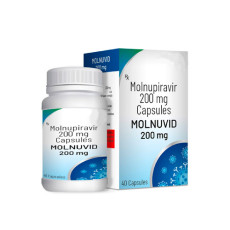
| Molnupiravir 200 mg capsule | 200.26 € |
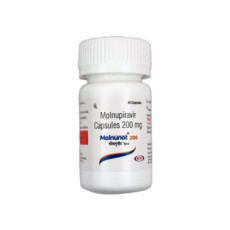
| Molnunat | 0.00 € |
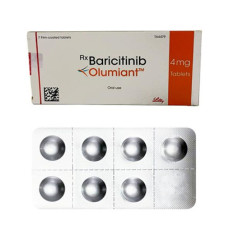
| Olumiant | 0.00 € |
FAQ: Covid-19 nel 2026
-
Occorre una ricetta per comprare Covid-19 in farmacia?
-
Quali opzioni di pagamento sono accettate?
-
Qual è il prezzo di Covid-19 in Italia?
-
È possibile ordinare Covid-19 dalla vostra farmacia online?
-
Cosa devo sapere riguardo alla spedizione?
-
Covid-19 è un prodotto legale in Italia?
-
I prodotti più venduti in farmacia