


Medications for Delirium
Delirium is a sudden and severe change in mental status characterized by confusion, disorientation, and fluctuating consciousness. It often occurs in hospitalized or elderly patients and can be caused by infections, medications, or metabolic imbalances. Prompt treatment is essential to manage symptoms, prevent complications, and improve recovery chances. Pharmacological intervention plays a key role, especially when non-drug measures are insufficient, helping to stabilize mental function and reduce agitation. According to scientific studies, early diagnosis and appropriate medication use can significantly enhance patient outcomes and quality of life.
What is Delirium?
Delirium is an acute disturbance of consciousness and cognition that develops rapidly, usually within hours or days. It primarily affects the brain’s ability to process information, leading to confusion, hallucinations, and impaired attention. The condition can be triggered by various factors such as infections, medication side effects, or metabolic disturbances, and is more common in older adults or those with pre-existing health issues. Recognizing and treating delirium promptly is crucial because delays can worsen neurological damage and prolong recovery. Scientific research emphasizes that early intervention can reduce the severity and duration of symptoms, thereby decreasing the risk of long-term cognitive decline.
Definition and Main Characteristics of Delirium
Delirium is an abrupt, fluctuating mental state characterized by confusion, disorientation, and altered perception. It is often caused by underlying medical conditions like infections, dehydration, or medication toxicity, and can progress rapidly if untreated. The disease can be classified as hyperactive, hypoactive, or mixed, depending on symptoms such as agitation or lethargy. It tends to be more prevalent among hospitalized elderly patients, with studies indicating an incidence rate of up to 50% in intensive care units. Key features include impaired attention, disorganized thinking, and altered consciousness, which require immediate medical attention to prevent complications. The prognosis depends on the underlying cause and the timeliness of treatment, with early management improving outcomes.
Symptoms of Delirium
Symptoms of delirium typically manifest as sudden confusion, difficulty focusing, and fluctuating levels of awareness. Patients may experience hallucinations, agitation, or drowsiness, with severity varying across different stages. Recognizing early signs such as inattentiveness or disorganized speech can facilitate prompt intervention. As the condition progresses, symptoms may include emotional disturbances, sleep-wake cycle disruptions, and physical agitation. Early detection is vital because it allows for timely treatment, which can reduce the risk of long-term cognitive impairment. Scientific literature highlights that symptoms can be subtle initially, making vigilant observation essential, especially in vulnerable populations.
How to Recognize the First Signs of Delirium
In the initial stages, patients may show signs like confusion, difficulty concentrating, or irritability. They might appear disoriented about time or place, and their attention span may decrease noticeably. These early symptoms can sometimes be mistaken for fatigue or depression, but rapid onset and fluctuation are characteristic of delirium. Common early indicators include restlessness, mood swings, and difficulty following conversations. Recognizing these signs promptly enables early medical evaluation, which is crucial for effective management and better prognosis. It is important for caregivers and healthcare providers to monitor changes in mental status closely, especially in high-risk groups such as the elderly or post-surgical patients.
Causes and Risk Factors of Delirium
Delirium can result from a variety of internal and external factors, often occurring in combination. Main causes include infections (like urinary tract infections or pneumonia), medication side effects, metabolic imbalances (such as hypoglycemia or hyponatremia), and acute illnesses. Age is a significant risk factor, with older adults being more susceptible due to decreased physiological reserves. Environmental factors like hospitalization, sensory deprivation, or dehydration also contribute. Scientific studies indicate that patients with pre-existing cognitive impairment, chronic illnesses, or recent surgery are at higher risk. Recognizing these factors helps in implementing preventive strategies and early interventions to reduce the incidence of delirium.
Factors Contributing to Delirium
Several internal and external factors can trigger or exacerbate delirium. Internal factors include genetic predisposition, pre-existing cognitive decline, or chronic health conditions. External factors encompass infections, medication toxicity, dehydration, sleep deprivation, and environmental stressors such as unfamiliar surroundings or sensory overload. Often, multiple factors act together, increasing the likelihood of delirium development. Understanding these contributors allows healthcare providers to address modifiable risks, such as optimizing medication regimens or ensuring adequate hydration. Scientific evidence underscores that multifactorial causes require comprehensive management approaches to prevent or mitigate delirium episodes.
Types of Medications and Treatments
Managing delirium involves addressing the underlying cause and alleviating symptoms. Pharmacological treatment is tailored to the severity of symptoms, patient age, and overall health. While non-drug approaches are preferred initially, medications become necessary when agitation, hallucinations, or severe distress occur. The choice of drugs depends on individual circumstances, with some cases managed with minimal medication, and others requiring more potent options or combination therapies. Always, treatment should be supervised by a healthcare professional to avoid adverse effects and interactions. Scientific studies support that appropriate medication use can significantly improve patient comfort and safety during delirium episodes.
Medications for Delirium Treatment
| Type of Medication | Example of Active Ingredient | Therapeutic Purpose |
|---|---|---|
| Antipsychotics | Haloperidol, Risperidone | Reduce agitation, hallucinations, and psychotic symptoms |
| Sedatives | Lorazepam, Diazepam | Manage severe agitation or anxiety, especially in hyperactive delirium |
| Cholinesterase Inhibitors | Donepezil (off-label) | Potentially improve cognitive function in some cases |
NATURAL REMEDIES FOR DELIRIUM
Complementary approaches such as aromatherapy, melatonin supplements, or herbal teas like valerian may help reduce agitation and promote relaxation. Ensuring adequate hydration, maintaining a calm environment, and encouraging sleep hygiene are also beneficial. However, these natural remedies should only be used as adjuncts and always under medical supervision. Scientific research indicates that while they can support symptom management, they do not replace pharmacological or medical interventions necessary for treating delirium effectively.
Forms and Presentations: Tablets, Capsules, Liquids
Medications for delirium are available in various forms, including tablets, capsules, liquids, and sometimes injectable preparations. Tablets and capsules are most common due to ease of administration and precise dosing, with some formulations designed for rapid absorption. Liquids are particularly useful for patients with swallowing difficulties or in pediatric cases. Injectable forms are reserved for severe cases or when oral administration is not feasible. Each form offers specific advantages, such as quick onset of action or ease of use in different clinical settings. Scientific literature highlights that selecting the appropriate presentation can improve treatment adherence and effectiveness.
Over-the-Counter (OTC) Medications
For mild symptoms such as slight agitation or sleep disturbances, some OTC options like antihistamines (e.g., diphenhydramine) or herbal supplements (e.g., melatonin) may provide relief. However, these should be used cautiously and only after consulting a healthcare professional, as they may interact with other medications or underlying conditions. It is important to remember that OTC drugs are not suitable for managing severe delirium symptoms, which require medical evaluation and prescription medications. If symptoms persist or worsen, seeking medical advice is essential to prevent complications.
Diagnosis and When to See a Doctor
Diagnosis of delirium involves a thorough clinical assessment, including medical history, physical examination, and cognitive testing. Healthcare providers may use tools like the Confusion Assessment Method (CAM) to identify delirium quickly. Laboratory tests and imaging studies are often performed to determine underlying causes such as infections or metabolic disturbances. Self-medication is discouraged because improper treatment can worsen the condition. Early consultation with a healthcare professional ensures accurate diagnosis and appropriate management, which can significantly improve recovery prospects. Scientific evidence emphasizes that timely intervention reduces the risk of long-term cognitive deficits and other complications.
Diagnostic Tests and Methods for Delirium
| Type of Test | Purpose | Diagnostic Value |
|---|---|---|
| Clinical Examination | Assess mental status, vital signs, and physical health | Initial identification of delirium signs |
| Laboratory Tests | Blood counts, electrolytes, infection markers | Identify metabolic or infectious causes |
| Neuroimaging | CT or MRI scans | Detect structural brain abnormalities |
Signs That Require Immediate Medical Attention
Any sudden worsening of mental status, severe agitation, hallucinations, or loss of consciousness warrants urgent medical care. Additionally, symptoms such as seizures, high fever, or difficulty breathing should prompt immediate hospital evaluation. Delays in seeking care can lead to serious complications like brain injury or systemic infections. Recognizing these warning signs early can prevent deterioration and facilitate prompt treatment, improving overall outcomes.
Precautions and Side Effects
Even medications considered safe can cause adverse reactions if misused or in sensitive individuals. Common side effects include drowsiness, dry mouth, or gastrointestinal discomfort, while more serious reactions like allergic responses or cardiac issues are less frequent but require attention. Following prescribed dosages, monitoring for side effects, and regular medical follow-up are essential to minimize risks. Special caution is advised for vulnerable groups such as children, pregnant women, the elderly, or those with chronic illnesses. Scientific studies recommend careful medication management to balance efficacy and safety during delirium treatment.
Most Common Side Effects
Common mild effects include nausea, dizziness, and sedation, which often resolve with dose adjustments. Rare but severe reactions may involve allergic skin reactions, liver toxicity, or cardiac arrhythmias. Risk levels vary depending on the medication and patient health status. Close monitoring during treatment helps detect adverse effects early, ensuring prompt intervention and continued safety.
Tips for Safe Medication Use
- Always follow the prescribed dosage and schedule provided by your healthcare provider.
- Avoid alcohol and other sedatives unless approved by your doctor, as they can increase side effects.
- Store medications in a cool, dry place away from children and pets.
- Report any unusual symptoms or side effects to your healthcare professional promptly.
- Attend regular follow-up appointments to assess treatment effectiveness and safety.
Responsible medication use and ongoing medical supervision are crucial for achieving the best therapeutic results and preventing complications.
Prevention and Daily Care
Preventive measures and daily routines play a vital role in reducing the risk of delirium, especially in vulnerable populations. Regular medical check-ups, maintaining hydration, good nutrition, and managing chronic conditions help keep the brain and body healthy. Creating a safe, familiar environment with adequate lighting and sensory stimuli can minimize confusion. Early recognition of subtle changes in mental status allows for prompt intervention, which can prevent full-blown episodes. Scientific evidence supports that lifestyle modifications and vigilant health monitoring significantly decrease delirium incidence and severity.
Recommended Habits to Reduce Delirium Risk
Adopting a balanced diet, engaging in regular physical activity, ensuring sufficient sleep, and managing stress are key strategies. Avoiding alcohol and recreational drugs, staying socially active, and keeping the environment well-lit and familiar also contribute. Proper medication management and avoiding unnecessary polypharmacy are essential. These habits support overall brain health and resilience, decreasing the likelihood of delirium episodes. Implementing these measures consistently can lead to better long-term cognitive and physical well-being.
Additional Preventive Measures
Secondary prevention includes routine health screenings, vaccination against preventable diseases, and nutritional supplementation when needed. Ensuring adequate vitamin intake, especially B vitamins and vitamin D, may support cognitive function. Regular medication reviews help minimize drug interactions and side effects. Following medical advice on managing chronic illnesses and promptly treating infections are also crucial. These secondary measures not only reduce delirium risk but also promote overall health and quality of life in aging populations.
Prognosis and Recovery
The outlook for patients with delirium depends on the underlying cause, the speed of diagnosis, and the effectiveness of treatment. Most individuals recover fully if the condition is identified early and managed appropriately. However, in some cases, especially with delayed treatment or severe underlying illnesses, recovery may be prolonged or incomplete. Maintaining a healthy lifestyle and adhering to medical recommendations can facilitate faster recovery and reduce the risk of long-term cognitive impairment. Scientific research indicates that proactive management improves prognosis and minimizes complications.
Typical Recovery Time
| Type of Case | Average Recovery Time | Comments |
|---|---|---|
| Mild Delirium | Few days to 2 weeks | Often resolves with treatment of underlying cause |
| Severe or Prolonged Delirium | Weeks to months | May require ongoing support and rehabilitation |
Factors Improving Prognosis
- Early diagnosis and prompt treatment initiation
- Addressing and managing underlying causes effectively
- Patient adherence to medical advice and medication
- Supportive care and a stable environment
- Good nutritional status and hydration
These factors significantly increase the chances of full recovery and reduce the likelihood of recurrence.
Lifestyle Changes for Better Outcomes
Patients are encouraged to adopt healthy habits such as balanced nutrition, regular physical activity, adequate sleep, and stress management. Avoiding substances that impair cognition, maintaining social interactions, and creating a familiar, safe environment support brain health. Consistent medical follow-up and adherence to prescribed treatments are essential. These lifestyle modifications not only aid in recovery but also help prevent future episodes of delirium, contributing to overall well-being.
Potential Complications
If untreated or poorly managed, delirium can lead to serious complications such as prolonged cognitive decline, falls, fractures, or systemic infections. It may also increase the risk of long-term disability, institutionalization, or death. Recognizing early warning signs and ensuring timely medical intervention are vital to prevent these adverse outcomes. Scientific evidence shows that comprehensive management reduces the incidence of complications and improves long-term prognosis.
| Complication | Frequency | Severity | Prevention |
|---|---|---|---|
| Cognitive decline | High in untreated cases | Severe | Early diagnosis and treatment |
| Falls and fractures | Common in agitated or disoriented patients | Moderate to severe | Supervised environment, mobility aids |
With proper care, most patients recover satisfactorily and avoid long-term complications, emphasizing the importance of timely and effective management.
Where to Buy Medications for Delirium
Medications for delirium are available both in physical pharmacies and online stores. It is essential to verify the license and reputation of the pharmacy to ensure the authenticity and quality of the medicines. Avoiding counterfeit products is crucial for safety and efficacy. All medications for delirium can be purchased OVER THE COUNTER (OTC) through our trusted online pharmacy in Italy, providing convenience and security. Always confirm the legitimacy of the source before making a purchase to guarantee safe treatment.
Secure Shopping at Our Online Pharmacy
Buying from our authorized online pharmacy offers several advantages, including professional consultation, guaranteed product authenticity, and secure payment options. We ensure strict quality control, proper packaging, and discreet shipping. Before completing your order, verify the pharmacy’s license, check the product’s expiration date, and consult with our pharmacists if you have any doubts. These precautions help protect your health and ensure a smooth purchasing experience.
Can You Buy Delirium Medications Online Without a Prescription?
In Italy, all medications used for the treatment of delirium can be purchased online without a prescription through our pharmacy. This includes antipsychotics, sedatives, and other supportive drugs, making access easier for patients and caregivers. However, it is important to emphasize that self-medicating without medical guidance can be risky. Always inform your healthcare provider about your treatment plan and follow their recommendations. Our pharmacy ensures that all products are safe, authentic, and suitable for your needs, provided you adhere to proper usage instructions. Buying online requires careful attention to avoid counterfeit products and to ensure proper storage and handling.
Shipping Options and Quality Assurance
We offer multiple shipping methods, including standard, express, and international delivery, to meet your needs. All shipments are carefully tracked, with batch numbers and temperature controls to preserve medication integrity. Packaging is discreet and tamper-proof, ensuring your privacy and safety. Our quality assurance measures include rigorous inspection of each lot, adherence to storage standards, and real-time tracking to prevent delays or losses. When receiving your order, verify the package integrity and expiration date to confirm product quality. These steps guarantee a reliable and secure purchasing experience.
Price, Availability, and Discounts in Italy
The cost of medications for delirium in Italy varies based on factors such as the specific drug name, dosage, form (tablets, capsules, liquids), and whether a prescription is required. Prices can differ between pharmacies, with online stores often offering competitive rates and promotional discounts. Availability may fluctuate depending on regional supply, demand, and seasonal factors; some formulations might be on backorder or require special ordering. Many pharmacies provide discounts, coupons, or loyalty programs to reduce costs, encouraging patients to compare prices and inquire about generic options. If you need a specific form or strength, it’s advisable to check in advance how to order or find suitable alternatives, ensuring timely access to treatment. Scientific data supports that shopping around and leveraging promotions can make treatment more affordable without compromising quality.
| Prodotti in farmacia | Prezzo |
|---|---|
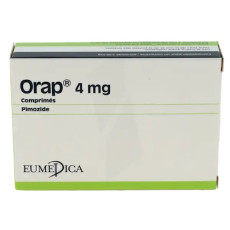
| Orap | 0.00 € |
FAQ: Deliri nel 2026
-
Occorre una ricetta per comprare Deliri in farmacia?
-
Quali opzioni di pagamento sono accettate?
-
Qual è il prezzo di Deliri in Italia?
-
È possibile ordinare Deliri dalla vostra farmacia online?
-
Cosa devo sapere riguardo alla spedizione?
-
Deliri è un prodotto legale in Italia?