



Medications for Dementia
Dementia is a progressive condition that affects memory, thinking, and daily functioning, primarily impacting older adults. Early diagnosis and appropriate medication can significantly help manage symptoms, slow disease progression, and improve quality of life. Since dementia is a complex neurological disorder with no cure yet, pharmacological treatments aim to alleviate symptoms and support cognitive function. Understanding the available medications and their proper use is essential for patients, caregivers, and healthcare providers to ensure effective management and safety.
What is Dementia?
Dementia is a chronic syndrome characterized by a decline in cognitive abilities severe enough to interfere with daily life. It primarily involves the brain's memory, language, problem-solving, and reasoning skills. The condition is most common among older adults, with Alzheimer’s disease being the most prevalent form. Early diagnosis is crucial because it allows for timely intervention, which can slow symptom progression and help patients maintain independence longer. Since dementia affects the brain's neural pathways, early recognition of symptoms can lead to better management strategies and improved patient outcomes.
Definition and Main Characteristics of Dementia
Dementia is a group of neurodegenerative disorders marked by a gradual decline in mental functions. It is caused by damage to brain cells, often due to Alzheimer’s disease, vascular issues, or other neurological conditions. The disease typically progresses over time, with symptoms worsening in stages. Key features include memory loss, confusion, difficulty communicating, and impaired judgment. Risk factors include advanced age, genetic predisposition, cardiovascular health, and lifestyle choices. The disease can be classified into various types, such as Alzheimer’s, vascular dementia, Lewy body dementia, and frontotemporal dementia, each with distinct features and progression patterns.
Symptoms of Dementia
Symptoms of dementia vary depending on the stage but generally include memory impairment, language difficulties, disorientation, and changes in behavior. Early signs often involve forgetfulness and trouble concentrating, which can be mistaken for normal aging. As the disease advances, individuals may experience confusion, difficulty recognizing loved ones, and loss of independence. Recognizing these early symptoms is vital for prompt diagnosis and treatment initiation, which can slow progression and improve quality of life. It is important for caregivers to monitor subtle changes and seek medical advice if concerns arise.
How to Recognize the First Signs of Dementia
In the initial stages, common signs include forgetfulness of recent events, misplacing objects, and difficulty planning or solving problems. These symptoms are often subtle and can be confused with normal aging or stress. Other early indicators may involve trouble with familiar tasks, decreased judgment, or changes in mood and personality. Differentiating these from other health issues requires careful observation and consultation with a healthcare professional. Early detection allows for better management and planning for future care needs.
| Type of Symptom | Frequency | Estimated Severity | Notes |
|---|---|---|---|
| Memory loss | Very common in early stages | Moderate to severe | Especially recent memories |
| Language difficulties | Common as disease progresses | Moderate to severe | Finding words, naming objects |
| Disorientation | Progressive | Severe in later stages | Time, place, familiar environments |
| Behavioral changes | Variable | Can be mild to severe | Agitation, depression, apathy |
Causes and Risk Factors of Dementia
The development of dementia involves a combination of genetic, environmental, and lifestyle factors. Main causes include neurodegenerative processes like amyloid plaque buildup in Alzheimer’s disease, vascular damage from strokes or hypertension, and other brain injuries. Age remains the most significant risk factor, with incidence increasing sharply after 65 years. Additional factors such as smoking, poor diet, lack of physical activity, and cardiovascular diseases contribute to higher risk. Environmental exposures, social isolation, and genetic predispositions also play roles in disease onset. Recognizing these factors helps in adopting preventive measures and early interventions.
Factors Contributing to Dementia
Several internal and external factors influence the risk of developing dementia. Internally, genetic mutations and family history can predispose individuals to certain types, like Alzheimer’s. External factors include lifestyle choices such as smoking, unhealthy diet, sedentary behavior, and exposure to environmental toxins. Chronic conditions like hypertension, diabetes, and high cholesterol increase vulnerability by damaging blood vessels and brain tissue. Often, multiple factors interact, amplifying the overall risk. Addressing modifiable risks through lifestyle changes can significantly reduce the likelihood of disease development.
| Risk Factor | Description | Probability |
|---|---|---|
| Genetics | Family history and specific gene mutations | Higher in familial cases |
| Age | Increased risk after 65 years | Very high in elderly populations |
| Cardiovascular health | Hypertension, stroke, high cholesterol | Significant contributor |
| Lifestyle | Smoking, poor diet, inactivity | Modifiable risk factors |
Types of Medications and Treatments
Managing dementia involves a combination of pharmacological and non-pharmacological approaches. Medications are tailored to the severity of symptoms, with some drugs available over-the-counter for mild cases and others requiring prescription for more advanced stages. Treatment plans are personalized, considering age, comorbidities, and disease progression. Always under medical supervision, these therapies aim to improve cognitive function, reduce behavioral symptoms, and slow decline. Lifestyle modifications and supportive therapies complement medication use for comprehensive care.
Medications for Dementia Treatment
The main classes of drugs used in dementia management include cholinesterase inhibitors, NMDA receptor antagonists, and sometimes antipsychotics or antidepressants. Cholinesterase inhibitors, such as donepezil, rivastigmine, and galantamine, are designed to boost neurotransmitter levels and improve memory and thinking. NMDA receptor antagonists like memantine are used in moderate to severe stages to regulate glutamate activity and protect neurons. These medications aim to stabilize symptoms rather than cure the disease. Their effectiveness varies among individuals, and side effects must be carefully monitored.
| Type of Drug | Example of Active Ingredient | Therapeutic Goal |
|---|---|---|
| Cholinesterase inhibitors | Donepezil, Rivastigmine, Galantamine | Enhance cognitive function |
| NMDA receptor antagonists | Memantine | Slow disease progression |
| Antipsychotics/Antidepressants | Risperidone, Sertraline | Manage behavioral symptoms |
Natural Remedies for Dementia
Complementary approaches like omega-3 fatty acids, ginkgo biloba, and certain vitamins (such as B12 and D) may support brain health and alleviate some symptoms. Regular mental exercises, physical activity, and a balanced diet rich in antioxidants can also contribute to cognitive resilience. However, these natural remedies should be used as adjuncts, not replacements, for prescribed treatments. Always consult a healthcare professional before starting any supplement or alternative therapy to ensure safety and appropriateness.
Forms and Presentations: Tablets, Capsules, Liquids
Medications for dementia are commonly available in various forms, including tablets, capsules, and liquids. Tablets and capsules are convenient, easy to dose, and often have a longer shelf life, making them suitable for daily use. Liquid formulations may be preferred for patients with swallowing difficulties or for precise dose adjustments. Each form offers specific advantages, such as rapid absorption or ease of ingestion, depending on the patient's needs. Proper storage and adherence to prescribed dosages are essential for effectiveness and safety.
Over-the-Counter (OTC) Medications
For mild symptoms or as supportive measures, some OTC products like vitamin supplements, ginkgo biloba, or herbal remedies may be considered. These options can help support overall brain health but should never replace prescribed medications. It is important to consult a healthcare provider before using OTC products, especially in elderly patients or those with multiple health conditions. If symptoms persist or worsen, seeking medical advice is crucial for appropriate diagnosis and treatment planning.
Diagnosis and When to Consult a Doctor
Diagnosis of dementia involves a comprehensive assessment by a healthcare professional, including medical history, cognitive testing, and physical examinations. Neuropsychological tests, brain imaging (such as MRI or CT scans), and laboratory analyses help confirm the diagnosis and rule out other conditions. Early consultation is vital because it allows for timely intervention, which can slow progression and improve management. Self-diagnosis or delaying medical evaluation may lead to missed opportunities for effective treatment and support.
Diagnostic Tests and Methods for Dementia
Diagnosis typically includes cognitive assessments like the Mini-Mental State Examination (MMSE), neuroimaging studies, and blood tests to exclude other causes. Brain scans can reveal structural changes, while laboratory tests check for metabolic or infectious causes. In some cases, cerebrospinal fluid analysis is performed to detect biomarkers associated with Alzheimer’s disease. Combining these methods provides a comprehensive picture, enabling accurate diagnosis and tailored treatment plans.
| Type of Test | Purpose | Diagnostic Value |
|---|---|---|
| Cognitive Tests | Assess memory, language, and reasoning | High sensitivity for early detection |
| Brain Imaging | Identify structural brain changes | Supports diagnosis, rules out other conditions |
| Blood Tests | Exclude other causes like infections or metabolic issues | Essential for differential diagnosis |
Signs That Require Immediate Medical Attention
Any sudden worsening of cognitive abilities, severe confusion, difficulty speaking or understanding, sudden weakness, or loss of coordination warrants urgent medical care. Additionally, signs such as seizures, severe headache, or sudden vision changes should prompt immediate evaluation. Prompt intervention can prevent complications and improve outcomes. Delayed response may result in irreversible damage or life-threatening situations.
Precautions and Side Effects
While many medications for dementia are generally safe when used correctly, they can cause side effects. Adverse reactions may include nausea, dizziness, sleep disturbances, or gastrointestinal issues. Serious effects like allergic reactions, liver problems, or cardiac issues are less common but require vigilance. Following the prescribed dosage, reporting unusual symptoms, and regular medical follow-up help minimize risks. Special caution is needed for vulnerable groups such as children, pregnant women, the elderly, or those with other chronic illnesses.
Most Common Side Effects
Common mild side effects include nausea, diarrhea, fatigue, and insomnia. More serious adverse reactions, though rare, can involve allergic skin reactions, liver enzyme elevations, or cardiovascular issues like arrhythmias. Monitoring and communication with healthcare providers are essential to manage these risks effectively. Adjustments in medication or supportive treatments may be necessary if adverse effects occur.
Tips for Safe Medication Use
- Always follow the prescribed dosage and schedule.
- Store medications in a cool, dry place away from children and pets.
- Avoid alcohol and certain foods that may interact with medications.
- Keep a medication list and share it with your healthcare provider regularly.
- Attend scheduled follow-up appointments for monitoring and dose adjustments.
Prevention and Daily Care
Preventive measures and healthy daily habits play a key role in reducing the risk of dementia and managing early symptoms. Regular medical check-ups, a balanced diet, physical activity, mental exercises, and social engagement support brain health. Early recognition of symptoms and prompt medical consultation can delay disease progression. Tailoring lifestyle choices based on age, health status, and personal risk factors enhances overall well-being and cognitive resilience.
Recommended Habits to Reduce Dementia Risk
Adopting a Mediterranean-style diet rich in fruits, vegetables, and healthy fats; engaging in regular aerobic exercise; maintaining social connections; managing stress through mindfulness or relaxation techniques; and ensuring adequate sleep are effective strategies. These habits contribute to cardiovascular health, reduce inflammation, and promote neuroplasticity. Incorporating mental activities like puzzles, reading, or learning new skills further supports cognitive function. Consistency in these behaviors is crucial for long-term benefits.
| Area of Prevention | Recommended Measures | Main Benefit |
|---|---|---|
| Diet | Healthy, balanced nutrition | Reduces inflammation, supports brain health |
| Physical Activity | Regular aerobic and strength exercises | Improves blood flow, neurogenesis |
| Cognitive Engagement | Learning new skills, puzzles | Enhances neural connections |
| Social Interaction | Maintaining relationships, community activities | Reduces loneliness, stimulates cognition |
Additional Preventive Measures
Secondary prevention includes routine health screenings, vaccinations (like influenza and pneumonia), and managing chronic conditions effectively. Supplementing with vitamins such as B12 and D may support cognitive health, but only under medical advice. Regular follow-ups and adherence to medical recommendations are vital for early detection and intervention. These measures not only lower the risk of dementia but also contribute to overall health and quality of life.
Prognosis and Recovery
The outlook for individuals with dementia depends on the type, stage at diagnosis, treatment timeliness, and overall health. While current treatments cannot cure the disease, they can slow progression and improve daily functioning. With proper management, many patients maintain a good quality of life for years. Continuous medical supervision and lifestyle adjustments are essential for optimizing outcomes. Early intervention and comprehensive care are key to a more favorable prognosis.
Typical Recovery Time
The recovery or stabilization period varies widely. Mild cases may see symptom stabilization within a few weeks to months with appropriate treatment, while more advanced stages might require ongoing support over years. In chronic conditions, ongoing management is necessary to prevent complications and support independence. The response to therapy depends on individual factors, including disease severity and comorbidities.
| Type of Case | Average Recovery Time | Comments |
|---|---|---|
| Mild dementia | Few weeks to months | Potential for stabilization or slow progression |
| Moderate to severe dementia | Months to years | Focus on symptom management and quality of life |
Factors Improving Prognosis
- Early diagnosis and initiation of treatment
- Adherence to prescribed therapies
- Healthy lifestyle and balanced diet
- Regular cognitive and physical activity
- Supportive social environment
Lifestyle Changes for Better Outcomes
Implementing a healthy diet, engaging in regular exercise, maintaining social connections, managing stress, and ensuring adequate sleep are vital. These habits support brain resilience, slow disease progression, and enhance overall well-being. Patients are encouraged to adopt routines that promote mental and physical health, tailored to their individual needs and capabilities.
Potential Complications
If not properly managed, dementia can lead to serious complications such as infections (pneumonia), falls, malnutrition, dehydration, and worsening cognitive decline. These issues can significantly impair quality of life and increase mortality risk. Preventive strategies include vigilant monitoring, medication adherence, and supportive care. Prompt medical attention for emerging problems is essential to prevent irreversible damage and maintain safety.
| Complication | Frequency | Severity | Prevention |
|---|---|---|---|
| Infections (e.g., pneumonia) | Common in advanced stages | Serious, potentially life-threatening | Good hygiene, vaccination, prompt treatment |
| Falls and injuries | High risk in mobility-impaired patients | Can cause fractures or head trauma | Home safety measures, physical therapy |
| Malnutrition and dehydration | Frequent in later stages | Can lead to weakness, infections | Proper nutrition, hydration, caregiver support |
With appropriate treatment and ongoing care, most patients with dementia can maintain a satisfactory quality of life and avoid severe complications over the long term.
Where to Purchase Medications for Dementia
Medications for dementia are available both in physical pharmacies and online stores. It is essential to verify the licensing and reputation of the pharmacy to ensure the authenticity and quality of the medicines. Avoiding counterfeit products is crucial for safety and efficacy. Our online pharmacy offers all dementia medications with verified authenticity, ensuring safe and reliable delivery across Italy.
Safe Shopping in Our Online Pharmacy
Shopping through our authorized online pharmacy provides numerous advantages, including professional consultation, guaranteed product quality, and secure payment options. Always check for proper licensing, examine packaging for tampering, verify expiration dates, and consult the pharmacist if you have any doubts. These precautions help ensure a safe and satisfactory purchase experience.
Can Dementia Medications Be Purchased Online Without a Prescription?
All medications used for dementia management can be purchased online without a prescription through our pharmacy, in accordance with Italian regulations. This allows patients and caregivers to access necessary treatments conveniently. However, it remains important to consult a healthcare professional for proper diagnosis and to determine the most appropriate therapy. Ensuring the legitimacy of the online pharmacy and verifying product authenticity are critical steps for safe purchasing.
Shipping Options and Quality Assurance
We offer various shipping methods, including standard, express, and international delivery, to meet different needs. Our quality control measures include tracking lot numbers, monitoring temperature during transit, secure packaging, and shipment traceability. These procedures guarantee that medications arrive safely, intact, and ready for use, maintaining their efficacy and safety during transit.
Price, Availability, and Discounts in Italian Pharmacies
The cost of dementia medications in Italy varies based on factors such as brand versus generic, dosage, form (tablets, capsules, liquids), and whether a prescription is required. Availability can fluctuate depending on regional supply, demand, and seasonal factors. Many pharmacies offer discounts, promotional codes, and loyalty programs that make treatments more affordable. Patients are encouraged to compare prices across different outlets, inquire about generic options, and ask pharmacists about ongoing promotions. For specialized dosages or formulations, advance planning and consultation can facilitate ordering and ensure access to the necessary medication.
| Prodotti in farmacia | Prezzo |
|---|---|
| Cerecetam 400/800/1200 mg compresse | 68.21 € |
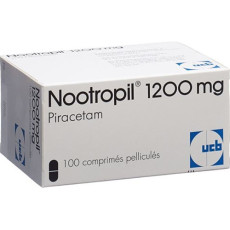
| Nootropil 800/1200 mg compresse | 97.07 € |
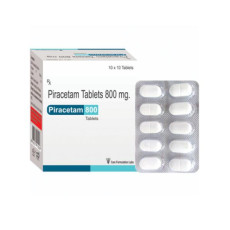
| Piracetam | 0.00 € |
FAQ: Demenza nel 2026
-
Occorre una ricetta per comprare Demenza in farmacia?
-
Quali opzioni di pagamento sono accettate?
-
Qual è il prezzo di Demenza in Italia?
-
È possibile ordinare Demenza dalla vostra farmacia online?
-
Cosa devo sapere riguardo alla spedizione?
-
Demenza è un prodotto legale in Italia?
-
I prodotti più venduti in farmacia