


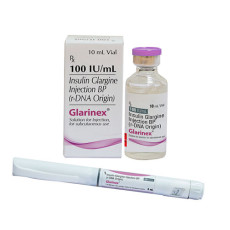
Medications for Type 1 Diabetes
Type 1 diabetes is a chronic condition where the body's immune system mistakenly attacks the insulin-producing cells in the pancreas. This leads to a lack of insulin, a hormone essential for regulating blood sugar levels. Managing this condition requires lifelong treatment to prevent complications and maintain a good quality of life. Advances in medical research have shown that proper medication and regular monitoring can effectively control blood glucose, reducing the risk of long-term damage to organs such as the eyes, kidneys, and nerves. Early diagnosis and adherence to treatment plans are crucial for optimal health outcomes, making understanding available medication options vital for patients and caregivers alike.
What is Type 1 Diabetes?
Type 1 diabetes is an autoimmune disease characterized by the destruction of insulin-producing cells in the pancreas. It typically develops rapidly and requires immediate medical attention to prevent severe complications like diabetic ketoacidosis. The condition affects individuals of all ages but is most commonly diagnosed in children and young adults. Since the body cannot produce enough insulin, patients must rely on external sources to regulate blood sugar levels. Timely diagnosis and treatment are essential to avoid acute symptoms and long-term health issues, emphasizing the importance of regular medical check-ups and blood glucose monitoring.
Definition and Main Characteristics of Type 1 Diabetes
Type 1 diabetes is a chronic autoimmune disorder where the immune system attacks pancreatic beta cells, leading to insulin deficiency. It usually manifests suddenly and requires lifelong insulin therapy. The disease can affect anyone but is more prevalent in younger populations, with a genetic predisposition and environmental triggers playing roles. Key features include the need for daily insulin administration, risk of hypoglycemia, and potential for acute complications if untreated. Risk groups include individuals with a family history of autoimmune diseases, certain genetic markers, or exposure to environmental factors such as viral infections. Managing the disease involves balancing insulin therapy, diet, and lifestyle to prevent both high and low blood sugar episodes.
| Characteristic | Description |
|---|---|
| Type of disease | Autoimmune, chronic |
| Onset | Sudden, often in childhood or adolescence |
| Progression | Requires lifelong insulin therapy |
| Risk factors | Genetics, environmental triggers, viral infections |
Symptoms of Type 1 Diabetes
The symptoms of type 1 diabetes often develop quickly and can include excessive thirst, frequent urination, unexplained weight loss, fatigue, and blurred vision. These signs result from high blood sugar levels and dehydration caused by the body's inability to utilize glucose properly. As the disease progresses, symptoms may intensify, leading to more severe conditions like diabetic ketoacidosis if untreated. Recognizing these early signs is vital for prompt medical intervention, which can prevent serious health crises and improve long-term prognosis. Patients and caregivers should be vigilant for sudden changes in appetite, mood, or energy levels, as these may indicate worsening blood sugar control.
How to Recognize Early Signs of Type 1 Diabetes
Common early symptoms include increased thirst, frequent urination, and unexplained weight loss. These symptoms often appear suddenly and can be mistaken for other illnesses, making awareness crucial. Additional signs may include fatigue, irritability, and blurred vision. In some cases, symptoms like nausea or abdominal pain can occur, especially if blood sugar levels become dangerously high. Monitoring for these signs and seeking medical advice promptly can lead to early diagnosis and effective management, reducing the risk of complications. A simple blood test can confirm elevated glucose levels, facilitating timely treatment initiation.
Causes and Risk Factors of Type 1 Diabetes
The exact cause of type 1 diabetes remains unknown, but it is believed to result from a combination of genetic and environmental factors. Genetic predisposition plays a significant role, with certain HLA gene variants increasing susceptibility. Environmental triggers such as viral infections, early exposure to cow's milk, or other immune system stimuli may initiate the autoimmune process. Lifestyle factors are less influential compared to type 2 diabetes, but stress and certain infections can contribute to disease onset. The disease is multifactorial, often involving an interplay of internal genetic factors and external environmental influences, which together increase the risk of developing the condition.
Factors Contributing to the Development of Type 1 Diabetes
- Genetic predisposition: specific gene variants increase susceptibility.
- Viral infections: certain viruses may trigger autoimmune responses.
- Environmental exposures: early diet and environmental toxins may influence risk.
- Immune system dysregulation: abnormal immune responses attack pancreatic cells.
| Risk Factor | Description | Probability |
|---|---|---|
| Genetics | Family history increases likelihood | Moderate to high |
| Viral infections | Trigger autoimmune response | Variable, depends on exposure |
| Environmental factors | Diet, toxins | Lower but contributory |
Types of Medications and Treatments
Managing type 1 diabetes primarily involves insulin therapy, as the body no longer produces sufficient insulin. Treatment plans are tailored to individual needs, considering age, lifestyle, and disease severity. While some minor adjustments can be made with diet and lifestyle, insulin remains the cornerstone of therapy. Patients must monitor their blood glucose regularly to adjust insulin doses accordingly. In some cases, advanced technologies like insulin pumps or continuous glucose monitoring systems are used to optimize control. Always, treatment should be supervised by healthcare professionals to ensure safety and effectiveness.
Medications for Type 1 Diabetes
The main pharmacological treatment for type 1 diabetes is insulin, which can be administered via multiple forms. These include rapid-acting insulins like insulin lispro, short-acting insulins such as regular insulin, intermediate-acting insulins like NPH, and long-acting insulins such as glargine or detemir. Sometimes, a combination of insulins is used to mimic natural insulin release. No oral medications are currently approved for primary treatment, although research continues into adjunct therapies. The goal of insulin therapy is to maintain blood glucose within target ranges, preventing both hyperglycemia and hypoglycemia.
| Type of Drug | Example of Active Ingredient | Therapeutic Purpose |
|---|---|---|
| Insulin analogs | Insulin lispro, glargine, detemir | Blood sugar regulation |
| Insulin mixtures | Humulin 70/30, Novolog Mix | Combined rapid and long-acting control |
Natural Remedies for Type 1 Diabetes
While insulin remains essential, some natural approaches can support overall well-being. These include maintaining a balanced diet rich in fiber and antioxidants, engaging in regular physical activity, managing stress through relaxation techniques, and ensuring adequate sleep. Supplements like omega-3 fatty acids or certain vitamins may help reduce inflammation and support immune health, but they should never replace prescribed treatments. Always consult a healthcare provider before adding any natural remedies to your routine, as they are meant to complement, not substitute, medical therapy.
Forms and Presentations: Tablets, Capsules, Injections
Insulin and other medications for diabetes are available in various forms, including injectable pens, vials, and pumps. Oral medications, although limited to other types of diabetes, are not used for type 1. Injectable forms offer flexibility and rapid action, especially for mealtime control, while long-acting insulins provide basal coverage. Some formulations come as pre-filled pens for ease of use, and others as multi-dose vials for precise dosing. The choice depends on individual needs, lifestyle, and medical advice. Each form offers specific advantages in terms of convenience, onset of action, and duration.
Over-the-Counter (OTC) Medications
For type 1 diabetes, all essential medications, particularly insulin, are prescription-only and cannot be purchased OTC. However, for managing minor symptoms like mild hypoglycemia or hyperglycemia, some OTC products such as glucose tablets or sugar solutions can be used temporarily. It is important to remember that these are only supportive measures and do not replace insulin therapy. Always consult a healthcare professional before using OTC products, especially in emergency situations, to ensure proper management and avoid complications.
Diagnosis and When to See a Doctor
Diagnosis of type 1 diabetes involves blood tests such as fasting blood glucose, oral glucose tolerance test, and measurement of HbA1c levels. Additionally, autoantibody tests can confirm autoimmune activity against pancreatic cells. Physical examinations and medical history are also important to assess symptoms and risk factors. Since early diagnosis can prevent severe complications, individuals experiencing symptoms should seek medical evaluation promptly. Self-diagnosis is discouraged, as only a healthcare professional can accurately determine disease presence and severity, guiding appropriate treatment.
Diagnostic Tests for Type 1 Diabetes
Key diagnostic methods include fasting blood glucose tests (values ≥126 mg/dL indicate diabetes), HbA1c levels (≥6.5%), and oral glucose tolerance tests. Autoantibody testing helps confirm autoimmune destruction of pancreatic cells. Blood ketone levels may be checked in suspected ketoacidosis. Physical exams and medical history provide context for lab results. Early detection through these tests allows for timely intervention, reducing the risk of acute and chronic complications.
| Test Type | Purpose | Diagnostic Value |
|---|---|---|
| Fasting Blood Glucose | Detects elevated blood sugar after fasting | ≥126 mg/dL indicates diabetes |
| HbA1c | Average blood glucose over 2-3 months | ≥6.5% confirms diagnosis |
| Autoantibody Tests | Identify autoimmune activity | Positive in type 1 diabetes |
Signs That Require Immediate Medical Attention
Urgent medical care is needed if symptoms such as severe abdominal pain, rapid breathing, confusion, loss of consciousness, or signs of diabetic ketoacidosis appear. These may include fruity-smelling breath, persistent vomiting, or extreme weakness. Prompt intervention can prevent life-threatening complications. If any of these symptoms occur, seek emergency medical assistance immediately to stabilize blood sugar levels and prevent organ damage. Delayed treatment can lead to coma or death, underscoring the importance of swift action.
Precautions and Side Effects
Even medications considered safe can cause adverse reactions if misused. Proper adherence to prescribed doses and schedules minimizes risks. Patients should be aware of potential side effects such as hypoglycemia, allergic reactions, or injection site issues. Special caution is advised for vulnerable groups like children, pregnant women, elderly, or those with other chronic illnesses. Regular monitoring and communication with healthcare providers are essential to detect and manage side effects early, ensuring safe and effective treatment.
Most Common Side Effects
Common mild side effects include skin irritation at injection sites, weight gain, or mild hypoglycemia. Serious adverse reactions, though rare, can involve allergic responses, severe hypoglycemia, or insulin resistance. Some patients may experience gastrointestinal discomfort or allergic skin reactions. Monitoring for symptoms and reporting any unusual effects to a healthcare professional helps prevent complications and adjust therapy accordingly.
| Effect Type | Frequency | Severity | Recommendation |
|---|---|---|---|
| Mild hypoglycemia | Common | Low to moderate | Adjust insulin dose, consume fast-acting carbs |
| Allergic reactions | Rare | Severe in some cases | Seek immediate medical attention |
Safe Use Tips for Medications
- Follow prescribed dosages precisely and do not alter doses without medical advice.
- Store medications in a cool, dry place away from direct sunlight and out of reach of children.
- Check expiration dates regularly and do not use expired products.
- Coordinate medication intake with meals and avoid alcohol unless approved by your doctor.
- Attend regular check-ups to monitor treatment effectiveness and side effects.
Responsible medication use and ongoing medical supervision are fundamental to achieving optimal health outcomes and preventing complications.
Prevention and Daily Care
While type 1 diabetes cannot currently be prevented, adopting healthy habits can support overall health and potentially delay onset in at-risk individuals. Regular medical check-ups, maintaining a balanced diet, engaging in physical activity, managing stress, and avoiding infections are key strategies. Early detection of symptoms and prompt medical intervention can significantly reduce the risk of severe complications. Tailoring prevention measures to age, sex, and health status ensures personalized care and better disease management.
Recommended Habits to Reduce Risk of Type 1 Diabetes
- Follow a nutritious diet rich in fruits, vegetables, and whole grains.
- Engage in regular physical activity to support immune health.
- Practice good hygiene and infection prevention measures.
- Manage stress through relaxation techniques or hobbies.
- Ensure adequate sleep and avoid excessive exposure to environmental toxins.
| Area of Prevention | Recommended Measures | Main Benefit |
|---|---|---|
| Diet | Balanced nutrition, limit processed foods | Supports immune function |
| Exercise | Regular physical activity | Enhances metabolic health |
| Hygiene | Proper handwashing, vaccination | Reduces infection risk |
| Stress Management | Relaxation, mindfulness | Supports immune regulation |
Additional Preventive Measures
Secondary prevention includes routine screening for at-risk populations, vaccination against preventable diseases, and monitoring for early signs of autoimmune activity. Supplementation with vitamins or micronutrients may be advised in certain cases, always under medical supervision. Following medical recommendations and maintaining a healthy lifestyle can improve overall well-being and reduce the likelihood of disease progression or complications.
Prognosis and Recovery
The outlook for individuals with type 1 diabetes depends on early diagnosis, adherence to treatment, and overall health management. With proper insulin therapy, blood sugar control, and lifestyle adjustments, most patients can lead active, healthy lives. Long-term complications can be minimized through consistent monitoring and medical follow-up. The prognosis improves significantly when patients are proactive in managing their condition and maintaining regular contact with healthcare providers. Advances in technology and personalized medicine continue to enhance the quality of life for those affected.
Typical Recovery Time
The recovery period varies based on disease severity and treatment response. Mild cases or well-managed conditions may see rapid stabilization within days, while more severe cases or diabetic ketoacidosis may require weeks of intensive therapy. Chronic management involves ongoing adjustments and monitoring, often requiring lifelong commitment. In cases of acute onset, stabilization is usually achieved within a few days to weeks, but complete remission is rare; instead, the focus is on control and prevention of complications.
| Type of Case | Average Recovery Time | Comments |
|---|---|---|
| Mild cases | Few days to weeks | Stabilization and adjustment |
| Severe cases (e.g., ketoacidosis) | Weeks | Requires intensive care and monitoring |
Factors Improving Prognosis
- Early diagnosis and prompt initiation of insulin therapy.
- Adherence to prescribed treatment and lifestyle recommendations.
- Regular medical follow-up and blood glucose monitoring.
- Healthy diet and physical activity.
- Patient education and self-management skills.
Lifestyle Changes for Better Outcomes
Implementing healthy habits is essential for optimal disease control and quality of life. Patients should focus on maintaining a balanced diet, engaging in regular exercise, managing stress effectively, and avoiding smoking or excessive alcohol consumption. Consistent medication adherence and routine health check-ups support long-term stability. Educating oneself about the disease and recognizing early warning signs can prevent emergencies and improve prognosis.
Potential Complications
If not properly managed, type 1 diabetes can lead to serious health issues such as diabetic ketoacidosis, cardiovascular disease, kidney failure, nerve damage, and vision loss. Acute complications like hypoglycemia or hyperglycemia require immediate attention to prevent irreversible damage. Chronic poor control increases the risk of infections and other secondary conditions. Preventing these outcomes depends on strict adherence to treatment, lifestyle modifications, and regular medical supervision. With appropriate management, most patients can avoid or delay these complications, maintaining a good quality of life.
| Complication | Frequency | Severity | Prevention |
|---|---|---|---|
| Diabetic ketoacidosis | Occasional | Severe, life-threatening | Blood sugar monitoring, insulin adherence |
| Organ damage (kidneys, eyes, nerves) | Chronic | Variable, often severe | Glycemic control, regular check-ups |
With proper treatment and ongoing care, most individuals with type 1 diabetes can achieve satisfactory health outcomes and avoid long-term complications.
Where to Buy Medications for Type 1 Diabetes
Medications for type 1 diabetes, especially insulin, are available both in pharmacies and online stores. It is essential to verify the legitimacy of the pharmacy and ensure the quality and authenticity of the medicines to avoid counterfeit products. Purchasing from reputable sources guarantees safety and efficacy, which are critical for managing a lifelong condition. Our online pharmacy offers all necessary medications for type 1 diabetes, with certified products and secure purchasing options.
Safe Shopping in Our Online Pharmacy
Buying from our authorized online pharmacy provides several advantages, including professional consultation, guaranteed product quality, and secure payment methods. Always check that the pharmacy holds a valid license, verify the packaging and expiration date, and consult the pharmacist for any doubts. Our platform ensures strict quality controls, discreet packaging, and reliable delivery services. These measures help protect your health and ensure you receive genuine medications promptly.
Can You Purchase Type 1 Diabetes Medications Online Without a Prescription?
In Italy, all medications essential for managing type 1 diabetes, particularly insulin, can be purchased online through our licensed pharmacy without a prescription. This facilitates easier access for patients who need continuous treatment. However, it remains crucial to have regular medical supervision to adjust doses and monitor health. When buying online, ensure that the platform is authorized, check product authenticity, and follow safety guidelines to guarantee effective and safe treatment. Always consult your healthcare provider before making changes to your medication regimen.
Shipping Options and Quality Assurance
Our pharmacy offers various shipping methods, including standard, express, and international delivery, to meet different needs. We implement rigorous quality control measures such as batch tracking, temperature regulation during transit, and secure, discreet packaging. These steps ensure that medications arrive in optimal condition and are traceable throughout the delivery process. Customers are encouraged to verify shipment details, check for tamper-proof seals, and confirm delivery times to ensure a smooth purchasing experience.
Price, Availability, and Discounts in Italian Pharmacies
The cost of medications for type 1 diabetes in Italy varies depending on factors like brand name or generic options, dosage, form (such as pens, vials, or pumps), and whether a prescription is required. Regional differences, seasonal demand, and promotional offers also influence pricing. Many pharmacies provide discounts, coupons, or loyalty programs that can make treatment more affordable. Availability may fluctuate, with some formulations only obtainable upon request or subject to stock levels. Patients are advised to compare prices across different outlets, inquire about generic alternatives, and ask pharmacists about ongoing promotions to optimize their expenses. Planning ahead and seeking information can help ensure continuous access to necessary medications without interruption.
| Prodotti in farmacia | Prezzo |
|---|---|
| Insulina Glargine 100 IU Iniezione | 262.35 € |
FAQ: Diabete tipo 1 nel 2026
-
Occorre una ricetta per comprare Diabete tipo 1 in farmacia?
-
Quali opzioni di pagamento sono accettate?
-
Qual è il prezzo di Diabete tipo 1 in Italia?
-
È possibile ordinare Diabete tipo 1 dalla vostra farmacia online?
-
Cosa devo sapere riguardo alla spedizione?
-
Diabete tipo 1 è un prodotto legale in Italia?
-
I prodotti più venduti in farmacia