


Medications for Eye Pain
Eye pain, or dolore agli occhi, can significantly affect daily life and may result from various underlying conditions such as infections, inflammation, or injuries. Prompt and appropriate treatment is essential to alleviate discomfort, prevent complications, and restore eye health. Pharmacological options are often the first line of defense, helping to control symptoms quickly and effectively. Early diagnosis combined with tailored medication therapy can improve outcomes and enhance quality of life, especially when the cause is identified promptly. Understanding the available treatments and their proper use is crucial for anyone experiencing persistent or severe eye pain.
What is Eye Pain?
Eye pain refers to discomfort or a sensation of soreness in or around the eye, involving the eyeball, eyelids, or surrounding tissues. It can be acute, with sudden onset, or chronic, persisting over weeks or months. The condition may be caused by infections, injuries, or underlying eye diseases, and its severity can range from mild to debilitating. Recognizing and diagnosing eye pain early is vital because it can signal serious issues such as glaucoma, corneal ulcers, or inflammation, which require immediate attention. Without timely intervention, there is a risk of worsening vision or permanent damage.
Definition and Main Characteristics of Eye Pain
Eye pain is a symptom characterized by discomfort, throbbing, or burning sensations in or around the eye. It often results from inflammation, trauma, or infections affecting ocular structures like the cornea, sclera, or conjunctiva. The progression of eye pain varies depending on the cause; some conditions resolve quickly with treatment, while others may become chronic if untreated. Factors such as age, immune status, and environmental exposures influence susceptibility. Common features include sensitivity to light, redness, tearing, and blurred vision. Risk groups include contact lens users, individuals with autoimmune diseases, and those exposed to environmental irritants.
Symptoms of Eye Pain
Symptoms associated with eye pain can differ based on the underlying cause and severity. Typical signs include a persistent aching or stabbing sensation, redness, sensitivity to light, tearing, blurred vision, and sometimes swelling around the eye. The intensity may fluctuate, and additional symptoms like discharge or headache can occur. Early recognition of these signs is important because they often indicate conditions that require prompt treatment. Noticing symptoms early can help prevent progression to more serious complications, such as infections or structural damage.
How to Recognize Early Signs of Eye Pain
In the initial stages, common signs include mild discomfort, redness, and increased sensitivity to light. These symptoms may be mistaken for minor irritations but can also be early indicators of more serious issues like conjunctivitis or corneal abrasions. Other early signs include a feeling of grittiness or foreign body sensation, tearing, and slight visual disturbances. Differentiating these from common eye fatigue or allergies is important; persistent or worsening symptoms should prompt medical evaluation. Recognizing these early signals allows for timely intervention, reducing the risk of long-term damage.
Causes and Risk Factors of Eye Pain
Eye pain can arise from a variety of causes, including infections, injuries, or chronic eye conditions. Infections such as conjunctivitis or keratitis are common culprits, often linked to bacteria, viruses, or fungi. Trauma from accidents or foreign bodies can cause acute pain, while underlying diseases like glaucoma or uveitis may lead to recurrent discomfort. Environmental factors, such as exposure to wind, dust, or chemicals, also contribute. Lifestyle habits, including improper contact lens use or poor eye hygiene, increase risk. Age and immune status influence susceptibility, with older adults and immunocompromised individuals being more vulnerable.
| Risk Factor | Description | Probability |
|---|---|---|
| Infections | Bacterial, viral, or fungal infections affecting ocular tissues | High in unprotected contact lens wearers |
| Trauma | Physical injury or foreign body entry | Moderate to high, especially in active or outdoor environments |
| Chronic eye conditions | Glaucoma, uveitis, or dry eye syndrome | Variable, increases with age |
| Environmental exposure | Wind, dust, chemicals | Moderate, especially in outdoor workers |
Factors Contributing to Eye Pain
Several internal and external factors can contribute to the development of eye pain. Internal factors include genetic predispositions, autoimmune responses, or pre-existing eye diseases. External factors encompass environmental irritants, poor hygiene, or trauma. Lifestyle choices, such as prolonged screen time or improper contact lens use, also play a role. Often, multiple factors interact, increasing the risk of developing eye discomfort. Recognizing these contributors helps in adopting preventive measures and reducing the likelihood of recurrent pain episodes.
| Type of Factor | Example | Mechanism of Influence |
|---|---|---|
| Internal | Genetic predisposition, autoimmune diseases | Altered immune response or structural vulnerabilities |
| External | Dust, chemicals, trauma | Physical irritation or injury to ocular tissues |
| Behavioral | Prolonged screen time, poor hygiene | Eye strain, increased infection risk |
Types of Medications and Treatments
The management of eye pain depends on its underlying cause and severity. Mild cases may respond well to over-the-counter remedies, while more serious conditions require prescription medications. The choice of treatment is tailored to the individual, considering age, health status, and specific diagnosis. Always consult a healthcare professional before starting any therapy to ensure safety and effectiveness. Proper medication use can significantly reduce symptoms, prevent complications, and promote healing.
Medications for Eye Pain
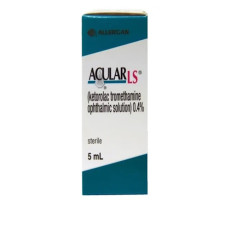
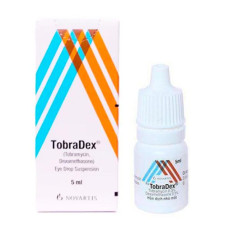
Various classes of drugs are used to treat eye pain, each targeting specific causes. Nonsteroidal anti-inflammatory drugs (NSAIDs), such as ketorolac, help reduce inflammation and pain. Corticosteroids like prednisolone may be prescribed for severe inflammation but require careful monitoring. Antibiotics are essential for bacterial infections, with examples including erythromycin or ciprofloxacin. Antiviral agents are used in viral infections, such as herpes keratitis. Additionally, lubricating eye drops or artificial tears can alleviate discomfort caused by dryness or irritation. The selection depends on the diagnosis, and treatment should always be supervised by a healthcare provider.
| Type of Drug | Example of Active Ingredient | Therapeutic Purpose |
|---|---|---|
| NSAIDs | Ketorolac | Reduce inflammation and pain |
| Corticosteroids | Prednisolone | Control severe inflammation |
| Antibiotics | Erythromycin, Ciprofloxacin | Treat bacterial infections |
| Antivirals | Aciclovir | Manage viral infections |
| Lubricants | Artificial tears | Alleviate dryness and irritation |
Natural Remedies for Eye Pain
Complementary approaches can help soothe mild eye discomfort, but they should never replace medical treatment. Cold compresses can reduce inflammation and relieve pain. Chamomile tea bags placed over closed eyelids may provide calming effects. Maintaining proper hydration and avoiding irritants like smoke or dust can also be beneficial. Additionally, practicing good eye hygiene and taking regular breaks during screen use can prevent strain. Always consult a healthcare professional before trying natural remedies, especially if symptoms persist or worsen.
Forms and Presentations: Tablets, Capsules, Liquids
Medications for eye pain are available in various forms, including tablets, capsules, eye drops, ointments, and injections. Tablets and capsules are often used for systemic treatment of infections or inflammation, offering convenience and controlled dosing. Eye drops and ointments are applied directly to the eye, providing localized relief with rapid action. Injections may be necessary in severe cases or for specific conditions like uveitis. Each form has its advantages: topical forms act quickly on the affected area, while systemic medications can address underlying causes affecting multiple tissues.
Over-the-Counter (OTC) Medications
For mild eye discomfort, OTC products can provide temporary relief. Common options include lubricating eye drops for dryness, antihistamine eye drops for allergies, and mild analgesics like paracetamol for associated pain. These medications are generally safe when used as directed but should not replace professional evaluation if symptoms persist or worsen. It is important to follow dosage instructions carefully and avoid prolonged use without medical advice. If symptoms continue beyond a few days, consulting a healthcare provider is recommended to rule out more serious issues.
| When to Use | Examples | Notes |
|---|---|---|
| Mild discomfort, dryness, or allergies | Lubricating drops, antihistamine drops | Use as needed, follow instructions |
| Persistent or worsening symptoms | See a doctor promptly | Self-medication not advised for severe cases |
Diagnosis and When to See a Doctor
Accurate diagnosis of eye pain involves a thorough clinical examination by an ophthalmologist or healthcare provider. They typically perform visual acuity tests, slit-lamp examinations, and may order laboratory or imaging studies to identify the underlying cause. Self-diagnosis and self-treatment are discouraged, as some conditions require urgent medical intervention. Early consultation ensures appropriate therapy, reduces the risk of complications, and preserves vision. Recognizing when symptoms are severe or sudden is crucial for timely medical attention.
Diagnostic Tests and Methods for Eye Pain
Diagnosis often begins with a detailed medical history and physical examination of the eye. Tests such as tonometry measure intraocular pressure to detect glaucoma, while fluorescein staining identifies corneal abrasions or ulcers. Cultures or PCR tests may be performed to identify infectious agents. Imaging techniques like ultrasound or OCT can assess deeper ocular structures. These methods help confirm the diagnosis and guide targeted treatment, improving the prognosis.
| Test/Method | Purpose | Diagnostic Value |
|---|---|---|
| Slit-lamp examination | Assess anterior eye structures | Detects inflammation, abrasions, or foreign bodies |
| Tonometry | Measure intraocular pressure | Identifies glaucoma risk |
| Fluorescein staining | Visualize corneal damage | Detects abrasions and ulcers |
| Laboratory cultures | Identify infectious agents | Guides antimicrobial therapy |
Warning Signs Requiring Urgent Medical Care
Any sudden, severe eye pain accompanied by vision loss, intense headache, nausea, or redness spreading rapidly warrants immediate medical attention. Symptoms such as eye trauma with bleeding, chemical exposure, or signs of infection like pus or swelling also require urgent care. Delays in treatment can lead to permanent vision impairment or other serious complications. If you experience these warning signs, seek emergency ophthalmologic evaluation without delay to prevent long-term damage.
Precautions and Side Effects
While many medications used for eye pain are generally safe when used correctly, they can cause side effects. Overuse or incorrect application may lead to adverse reactions such as allergic reactions, increased intraocular pressure, or systemic effects. Following the prescribed dosage and instructions minimizes risks. Particular caution is needed for vulnerable groups like children, pregnant women, the elderly, or those with chronic illnesses. Monitoring for side effects and reporting any unusual symptoms to a healthcare provider is essential for safe treatment.
Common Side Effects
Common mild side effects include eye irritation, dryness, or transient blurred vision. More serious reactions, though less frequent, can involve allergic responses such as swelling, redness, or itching, and in rare cases, systemic effects like nausea or liver issues with certain medications. Severe side effects require immediate medical attention. Patients should be aware of these possibilities and consult their doctor if they experience any concerning symptoms.
Safe Medication Use Tips
- Always follow the prescribed dosage and schedule.
- Store medications in a cool, dry place away from children.
- Avoid mixing medications with alcohol or other drugs unless approved by a healthcare professional.
- Check expiration dates before use and discard expired products.
- Attend regular follow-up appointments to monitor treatment effectiveness and side effects.
Prevention and Daily Care
Preventive measures and daily habits play a vital role in reducing the risk of eye pain. Regular eye examinations help detect issues early. Maintaining good hygiene, such as proper contact lens care and avoiding eye rubbing, prevents infections. Protecting eyes from environmental irritants with sunglasses or protective eyewear is also beneficial. A balanced diet rich in vitamins A, C, and E supports eye health. Adequate rest and managing stress contribute to overall ocular well-being. Early intervention at the first signs of discomfort can prevent progression to more serious problems.
Recommended Habits to Reduce Eye Pain Risk
Adopt a healthy lifestyle by maintaining a balanced diet, practicing good eye hygiene, and avoiding prolonged screen time without breaks. Use protective eyewear in hazardous environments and ensure proper contact lens use and cleaning. Regularly rest your eyes during work or study sessions, and stay hydrated. Managing stress through relaxation techniques can also benefit eye health. These simple measures can significantly decrease the likelihood of developing or recurring eye pain.
| Area of Prevention | Recommended Measures | Main Benefit |
|---|---|---|
| Hygiene | Proper contact lens care, hand washing | Reduces infection risk |
| Protection | Wearing sunglasses, protective goggles | Prevents environmental damage |
| Lifestyle | Balanced diet, regular breaks from screens | Supports overall eye health |
| Medical check-ups | Routine eye exams | Early detection of issues |
Secondary Preventive Measures
Secondary prevention involves regular medical check-ups, vaccinations if applicable, and nutritional support with vitamins or supplements to strengthen eye health. Following medical advice for managing chronic conditions like diabetes or hypertension can prevent secondary eye complications. Adherence to prescribed treatments and lifestyle modifications contribute to long-term eye health. These measures help minimize the risk of recurrence and maintain good vision over time.
Prognosis and Recovery
The outlook for individuals with eye pain depends on the underlying cause, the stage at diagnosis, and how promptly treatment is initiated. Many conditions respond well to therapy, leading to full recovery, especially when diagnosed early. Adherence to prescribed treatments and lifestyle adjustments can accelerate healing and prevent recurrence. Regular follow-up visits are important to monitor progress and adjust therapy as needed. Overall, with appropriate care, most patients experience favorable outcomes and preservation of vision.
Typical Recovery Time
The recovery period varies based on the severity and cause of eye pain. Mild cases, such as minor irritations or superficial abrasions, often resolve within a few days to a week. More severe infections or inflammations may require several weeks of treatment. Chronic or complicated cases might need ongoing management and monitoring over months. The table below summarizes typical recovery times:
| Type of Case | Average Recovery Time | Comments |
|---|---|---|
| Mild irritations | 3-7 days | Usually resolves with conservative treatment |
| Infections or inflammations | 2-6 weeks | Depends on pathogen and treatment response |
| Chronic or severe cases | Several months | May require ongoing therapy and monitoring |
Factors Enhancing Prognosis
Early diagnosis, adherence to treatment, and regular follow-up significantly improve recovery chances. Maintaining good eye hygiene and avoiding irritants also contribute. Patients who promptly seek medical attention at the first signs of discomfort tend to have better outcomes. Managing underlying health conditions effectively reduces the risk of complications. A positive attitude and lifestyle modifications support healing and long-term eye health.
Lifestyle Changes for Better Outcomes
Implementing healthy habits such as proper nutrition, adequate rest, and stress management can facilitate recovery. Avoiding eye strain by taking regular breaks during screen use and protecting eyes from environmental hazards are essential. Quitting smoking and limiting alcohol intake also benefit eye health. Consistent use of prescribed medications and attending follow-up appointments are crucial steps toward complete recovery and prevention of future episodes.
Possible Complications
If left untreated or poorly managed, eye pain can lead to serious complications, including vision loss, corneal scarring, or chronic inflammation. Infections may spread, causing damage to deeper ocular structures, and in severe cases, may result in blindness. Delayed treatment of conditions like glaucoma can lead to irreversible optic nerve damage. Preventing these outcomes depends on timely medical intervention and patient compliance with prescribed therapies. Regular monitoring and early management are key to avoiding long-term consequences.
| Complication | Frequency | Severity | Prevention |
|---|---|---|---|
| Vision loss | Rare with prompt treatment | Severe | Early diagnosis and adherence to therapy |
| Corneal scarring | Moderate | Moderate to severe | Proper wound care and infection control |
| Chronic inflammation | Variable | Persistent, can impair vision | Timely management of underlying causes |
With appropriate treatment and ongoing care, most patients with eye pain recover well and avoid long-term complications, preserving their vision and eye health.
Where to Purchase Medications for Eye Pain
Medications for eye pain are available both in physical pharmacies and online stores. It is important to verify the legitimacy of the pharmacy, ensuring that products are genuine and meet quality standards. Avoiding counterfeit medications is crucial to safety and effectiveness. All medications for eye pain can be purchased over the counter (OTC) at our trusted online pharmacy in Italy, providing convenience and security. Always check the credentials of the seller and ensure proper storage and handling of medicines.
Secure Shopping in Our Online Pharmacy
Buying from our authorized online pharmacy offers several advantages, including professional consultation, guaranteed product authenticity, and secure payment options. We ensure strict quality control, proper packaging, and discreet shipping. Before purchasing, verify the pharmacy’s license, examine the packaging for tampering, and check expiration dates. Consulting with our pharmacists can help select the most appropriate product and dosage, ensuring safe and effective treatment.
Can You Buy Eye Pain Medications Online Without a Prescription?
Yes, in Italy, all medications for eye pain are available for purchase online without a prescription through our pharmacy. However, it is essential to use these medications responsibly and only for their intended purpose. Even OTC drugs should be used according to instructions, and persistent or worsening symptoms require professional evaluation. Patients are advised to ensure that the online pharmacy is licensed, verify product authenticity, and follow safety guidelines to avoid counterfeit or inappropriate medicines. Consulting a healthcare professional before starting any new treatment is always recommended to ensure safety and efficacy.
Shipping Options and Quality Assurance
Our pharmacy offers various shipping methods, including standard, expedited, and international delivery, to meet customer needs. We implement rigorous quality control measures, such as batch traceability, temperature monitoring, and secure packaging, to maintain product integrity. Each shipment is tracked from dispatch to delivery, ensuring transparency and reliability. Customers can rest assured that their medications are handled with care, and all procedures comply with safety standards. During delivery, verifying the packaging and product condition helps confirm the authenticity and quality of the order.
Pricing, Availability, and Discounts in Italy
The cost of eye pain medications in Italy varies depending on factors such as brand name or generic, dosage, form (tablets, drops, ointments), and whether a prescription is required. The distribution channel, whether in a physical pharmacy or online, also influences price. Regional differences and ongoing promotions or discounts can make treatments more affordable. Availability may fluctuate based on demand, seasonality, or stock levels, with some formulations only obtainable upon request. Many pharmacies offer special offers, coupons, and loyalty programs that help reduce costs. Patients are encouraged to compare prices, inquire about generic options, and ask pharmacists about current promotions to find the most cost-effective solution for their needs.
| Prodotti in farmacia | Prezzo |
|---|---|
| Acular | 0.00 € |
| Tobradex | 0.00 € |
FAQ: Dolore oculare nel 2026
-
Occorre una ricetta per comprare Dolore oculare in farmacia?
-
Quali opzioni di pagamento sono accettate?
-
Qual è il prezzo di Dolore oculare in Italia?
-
È possibile ordinare Dolore oculare dalla vostra farmacia online?
-
Cosa devo sapere riguardo alla spedizione?
-
Dolore oculare è un prodotto legale in Italia?