


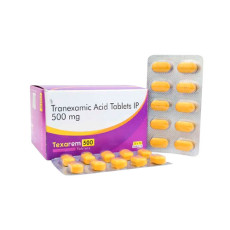
Medications for Hemorrhage
Hemorrhages, or bleeding episodes, can range from minor to life-threatening conditions that require prompt medical attention. Effective treatment often involves medications that help control bleeding, promote clot formation, and address underlying causes. Timely diagnosis and appropriate pharmacological intervention are crucial to prevent complications, reduce symptoms, and improve quality of life. Modern medicines have significantly advanced in managing hemorrhages, offering options suitable for different severity levels and patient needs. Understanding the available treatments can empower patients and caregivers to seek appropriate care and adhere to medical advice for optimal outcomes.
What is Hemorrhage?
Hemorrhage refers to the escape of blood from blood vessels due to injury, disease, or other factors. It can affect any organ or tissue, such as the brain, lungs, gastrointestinal tract, or skin, and may be classified as acute or chronic depending on its onset and duration. The condition is common in various settings, from minor cuts to severe internal bleeding, which can be life-threatening if not treated promptly. Recognizing and diagnosing hemorrhages early is vital because delayed treatment can lead to significant blood loss, tissue damage, or shock. The severity and location of bleeding influence symptoms and treatment strategies, making timely medical intervention essential for favorable outcomes.
Definition and Main Characteristics of Hemorrhage
Hemorrhage is characterized by the uncontrolled loss of blood from damaged blood vessels, caused by trauma, vascular abnormalities, or clotting disorders. It can be classified into external or internal bleeding, with internal hemorrhages often being more challenging to detect. The progression depends on the bleeding volume and rate, with rapid blood loss leading to hypovolemic shock. Risk groups include trauma victims, patients with anticoagulant therapy, or those with bleeding disorders. The severity ranges from minor bruises to massive internal bleeding requiring emergency intervention. Understanding these features helps in early recognition and appropriate management to prevent life-threatening complications.
Symptoms of Hemorrhage
The clinical presentation of hemorrhage varies based on its location and severity. Common symptoms include visible bleeding, dizziness, weakness, pallor, rapid heartbeat, and low blood pressure. In internal bleeding, symptoms may be less obvious initially, such as abdominal pain, swelling, or neurological deficits if the brain is involved. Early detection of symptoms is essential because it allows for prompt treatment, reducing the risk of severe blood loss and organ damage. Recognizing signs like excessive bleeding from cuts, unexplained bruising, or sudden weakness can facilitate early medical intervention and improve prognosis.
How to Recognize the First Signs of Hemorrhage
Initial signs often include visible bleeding, such as cuts or nosebleeds, and symptoms like lightheadedness or fainting. In internal hemorrhages, symptoms may be subtle, such as abdominal pain, vomiting blood, or neurological changes. The presence of rapid pulse, cold skin, or confusion indicates significant blood loss. Differentiating these from other conditions requires awareness and prompt assessment. Early recognition enables timely medical response, which is critical to prevent deterioration and complications.
| Type of Symptom | Frequency | Estimated Severity | Notes |
|---|---|---|---|
| Visible bleeding (cuts, wounds) | High | Variable | Most common in external hemorrhages |
| Dizziness or fainting | Moderate | Moderate to severe | Indicates significant blood loss |
| Paleness and cold skin | Moderate | Severe | Signs of shock |
| Abdominal pain or swelling | Variable | Variable | Possible internal bleeding |
| Neurological deficits | Less common | Severe | Indicative of brain hemorrhage |
Causes and Risk Factors of Hemorrhage
Hemorrhages can result from various causes, including trauma, vascular abnormalities, coagulation disorders, infections, or side effects of medications. External factors such as accidents, falls, or surgical procedures often lead to traumatic bleeding. Internal causes include aneurysms, tumors, or blood clotting deficiencies, which increase the risk of spontaneous hemorrhages. Age, lifestyle, and environmental exposures also influence susceptibility. For example, elderly individuals are more prone due to fragile blood vessels, while anticoagulant therapy increases bleeding risk. Recognizing these factors helps in implementing preventive measures and tailoring treatment strategies.
Factors Causing Hemorrhage
Key contributors include genetic predispositions like bleeding disorders (e.g., hemophilia), lifestyle choices such as smoking or alcohol consumption, and environmental exposures. Medical conditions like hypertension or liver disease can weaken blood vessels, increasing rupture risk. External factors like trauma or invasive procedures can cause immediate bleeding, while internal factors like tumors or vascular malformations may lead to spontaneous hemorrhages. Often, multiple causes interact, amplifying the overall risk. Understanding these factors is essential for prevention and early intervention.
| Risk Factor | Description | Probability |
|---|---|---|
| Genetic bleeding disorders | Inherited conditions impairing clotting | High in affected families |
| Hypertension | High blood pressure weakens vessel walls | Moderate |
| Use of anticoagulants | Medications like warfarin increase bleeding risk | High in patients on therapy |
| Trauma or injury | Physical impact causing vessel rupture | Variable depending on exposure |
| Age | Vessels become more fragile over time | Higher in elderly |
Types of Medications and Treatments
The management of hemorrhages depends on their severity and cause. Mild bleeding may be controlled with topical agents or over-the-counter medications, while severe cases often require hospital-based interventions. The choice of medication is tailored to the individual, considering age, health status, and bleeding location. Always, treatment should be supervised by a healthcare professional to ensure safety and effectiveness. Combining pharmacological therapy with supportive measures like fluid replacement and surgical procedures may be necessary in critical situations.
Medications for Hemorrhage Treatment
Several classes of drugs are used to manage hemorrhages, each targeting specific aspects of bleeding control. Hemostatic agents, such as tranexamic acid, help promote clot formation by inhibiting fibrinolysis. Vitamin K is essential in cases of bleeding due to anticoagulant overdose, restoring normal clotting function. Blood products like packed red blood cells or plasma are administered in cases of significant blood loss. Antifibrinolytics, coagulation factor concentrates, and platelet transfusions are also employed depending on the underlying cause. The selection of medication depends on the bleeding severity, location, and patient-specific factors.
| Type of Drug | Example of Active Ingredient | Therapeutic Purpose |
|---|---|---|
| Hemostatic agents | Tranexamic acid | Promote clot stability |
| Vitamin K derivatives | Phytonadione | Correct coagulopathy due to anticoagulants |
| Blood products | Packed red blood cells, plasma | Replace lost blood volume |
| Coagulation factor concentrates | Factor VIII, IX | Treat hemophilia or clotting deficiencies |
Naturally Derived Remedies for Hemorrhage
Complementary approaches include natural remedies that may support bleeding control, such as herbal infusions like yarrow or witch hazel, which are traditionally used to promote clotting. Applying cold compresses can help reduce bleeding and swelling externally. Maintaining a diet rich in vitamin K-containing foods (e.g., leafy greens) can support clotting mechanisms. However, these methods should only be used as adjuncts and under medical supervision, as they do not replace conventional treatment. Always consult a healthcare professional before trying natural remedies, especially in severe cases.
Forms and Presentations: Tablets, Capsules, Liquids
Medications for hemorrhages are available in various forms, including tablets, capsules, syrups, topical ointments, and injectable solutions. Tablets and capsules are convenient for oral administration and often provide rapid absorption. Liquids are suitable for children or those with swallowing difficulties. Topical ointments or gels are used for external bleeding, providing localized effect. Injectable forms are essential in emergency settings for quick action, especially in internal hemorrhages. The choice of form depends on the severity, location of bleeding, and patient needs, ensuring effective and timely treatment.
Over-the-Counter (OTC) Medications
For minor bleeding or symptoms, OTC medications such as topical hemostatic agents or pain relievers may be used. Examples include topical thrombin or antiseptic creams that help control superficial bleeding. Non-prescription analgesics like acetaminophen can alleviate discomfort but do not influence bleeding directly. It is important to remember that these options are suitable only for mild symptoms; persistent or severe bleeding requires immediate medical attention. Always follow dosage instructions and consult a pharmacist if unsure about the appropriate use.
Diagnosis and When to See a Doctor
Accurate diagnosis of hemorrhage involves a thorough medical history, physical examination, and laboratory tests. Blood tests such as complete blood count (CBC), coagulation profile, and imaging studies like ultrasound or CT scans help determine the bleeding source and severity. Self-diagnosis and treatment are discouraged because improper management can worsen the condition. Only a healthcare professional can assess the extent of bleeding and prescribe suitable therapy. Early diagnosis improves treatment outcomes and reduces the risk of complications, emphasizing the importance of consulting a doctor promptly.
Diagnostic Tests and Methods for Hemorrhage
Diagnosis typically involves physical assessment, blood tests (e.g., prothrombin time, activated partial thromboplastin time), and imaging techniques. Ultrasound can detect internal bleeding in the abdomen, while CT scans provide detailed visualization of bleeding sites, especially in the brain or chest. Coagulation studies identify clotting deficiencies, guiding specific treatments. In emergency situations, rapid bedside tests like blood pressure monitoring and pulse oximetry are also crucial. Combining these methods ensures accurate assessment and effective management planning.
Signs Requiring Urgent Medical Attention
Any signs of severe or uncontrolled bleeding, such as large external wounds, vomiting blood, blood in stool, sudden weakness, confusion, or loss of consciousness, demand immediate medical care. Symptoms like rapid heartbeat, low blood pressure, or difficulty breathing also indicate critical situations. Delays in seeking emergency help can lead to shock, organ failure, or death. Recognizing these warning signs promptly is essential to initiate life-saving interventions and prevent long-term damage.
Precautions and Side Effects
Even medications considered safe can cause adverse reactions if misused or in sensitive individuals. Common side effects include nausea, dizziness, allergic reactions, or gastrointestinal discomfort. Serious complications, although rare, may involve liver problems, blood clots, or cardiovascular issues. Following prescribed dosages, monitoring for adverse effects, and consulting healthcare providers help minimize risks. Special caution is advised for children, pregnant women, elderly, or patients with chronic illnesses, who may require tailored treatment plans. Awareness and adherence to medical advice are key to safe medication use.
Most Common Side Effects
Common mild effects include nausea, headache, or skin irritation, which usually resolve without intervention. Serious adverse reactions such as allergic reactions, liver toxicity, or blood clots are less frequent but require immediate medical attention. Risk levels vary depending on the medication and patient health status. Regular monitoring and reporting any unusual symptoms ensure safe therapy and early detection of complications.
Tips for Safe Medication Use
- Always follow the prescribed dosage and schedule.
- Avoid alcohol and certain foods that may interact with medications.
- Store medicines in a cool, dry place away from children.
- Do not share medications with others.
- Attend regular medical check-ups to monitor treatment effects.
- Report any side effects or unusual symptoms promptly to your healthcare provider.
Prevention and Daily Care
Preventive measures and healthy daily habits play a vital role in reducing hemorrhage risk. Regular medical check-ups help detect underlying conditions early, while maintaining a balanced diet rich in vitamins and minerals supports vascular health. Engaging in appropriate physical activity, avoiding smoking, and managing stress contribute to overall well-being. Promptly addressing minor injuries and following safety protocols during activities can prevent trauma-related bleeding. Tailoring prevention strategies to individual risk factors enhances their effectiveness and promotes long-term health.
Recommended Habits to Reduce Hemorrhage Risk
Adopt a diet rich in vitamin K and antioxidants, engage in regular moderate exercise, avoid smoking and excessive alcohol consumption, and ensure proper safety measures during physical activities. Managing chronic conditions like hypertension and diabetes is also crucial. Adequate rest and stress management further support vascular integrity. Educating oneself about bleeding risks and early symptoms encourages timely action, reducing the likelihood of severe hemorrhages.
| Type of Test | Purpose | Diagnostic Value |
|---|---|---|
| Blood count (CBC) | Assess blood loss and anemia | High |
| Coagulation profile | Identify clotting disorders | High |
| Ultrasound | Detect internal bleeding | Moderate to high |
| CT scan | Locate bleeding source, especially intracranial | High |
| Area of Prevention | Recommended Measures | Main Benefit |
|---|---|---|
| Diet | Consume vitamin K-rich foods, antioxidants | Supports clotting and vessel health |
| Exercise | Engage in regular, moderate activity | Improves circulation, strengthens vessels |
| Safety | Use protective gear, avoid risky activities | Prevents trauma-related bleeding |
| Health management | Control blood pressure, manage chronic diseases | Reduces vessel rupture risk |
Additional Preventive Measures
Secondary prevention includes routine screenings, vaccinations (e.g., for infections that can cause vascular damage), and prophylactic administration of vitamins or clotting factors in high-risk individuals. Following medical advice, adhering to prescribed therapies, and maintaining a healthy lifestyle are essential. Regular monitoring of blood parameters and prompt treatment of minor issues can prevent progression to severe hemorrhages. These measures contribute not only to reducing bleeding episodes but also to overall health and quality of life.
Prognosis and Recovery
The outlook for patients with hemorrhages depends on the bleeding type, location, severity, and how quickly treatment is initiated. Early intervention generally leads to better outcomes, with many patients recovering fully when managed appropriately. Adherence to medical advice and lifestyle modifications can accelerate healing and prevent recurrences. In some cases, ongoing management and monitoring are necessary, especially for chronic or recurrent hemorrhages. Overall, with proper care, most individuals can expect a favorable prognosis and return to normal activities.
Typical Recovery Time
The recovery duration varies according to the severity of the hemorrhage. Mild external bleeding often resolves within a few days with proper care, while internal or severe bleeding may require weeks or months for complete healing. For example, minor cuts may heal in less than a week, whereas brain hemorrhages might need prolonged rehabilitation. Chronic conditions necessitate continuous monitoring and treatment adjustments. The recovery process is influenced by age, overall health, and the effectiveness of the initial intervention.
| Type of Case | Average Recovery Time | Comments |
|---|---|---|
| Minor external bleeding | Few days to one week | Usually complete healing |
| Internal hemorrhage (e.g., gastrointestinal) | Several weeks to months | Depends on intervention and health status |
| Severe hemorrhage (e.g., intracranial) | Months, with possible rehabilitation | Prolonged recovery, risk of residual deficits |
Factors Improving Prognosis
- Early detection and prompt treatment
- Adherence to medical advice and medication
- Healthy lifestyle and diet
- Effective management of underlying conditions
- Regular follow-up and monitoring
Lifestyle Changes for Better Outcomes
Patients should adopt a balanced diet, avoid smoking and excessive alcohol, engage in appropriate physical activity, and manage stress effectively. Ensuring adequate rest and avoiding risky behaviors can prevent recurrences. Educating oneself about warning signs and maintaining regular medical check-ups are essential components of long-term management. These lifestyle modifications support healing and reduce the likelihood of future hemorrhages.
Potential Complications
If not properly managed, hemorrhages can lead to serious complications such as shock, organ failure, neurological deficits, or death. Chronic bleeding may cause anemia or tissue damage, impacting quality of life. Preventing these outcomes depends on timely medical intervention, adherence to treatment, and lifestyle adjustments. Recognizing early warning signs and seeking urgent care can significantly reduce the risk of long-term consequences.
| Complication | Frequency | Severity | Prevention |
|---|---|---|---|
| Shock | High in severe hemorrhages | Life-threatening | Rapid medical response, fluid resuscitation |
| Organ failure | Variable | Severe | Early control of bleeding, supportive care |
| Neurological deficits | High in brain hemorrhages | Severe | Prompt diagnosis and treatment |
| Anemia | Common in chronic bleeding | Moderate to severe | Blood transfusions, iron therapy |
With appropriate treatment and ongoing care, most patients with hemorrhages recover well and avoid long-term complications, ensuring a good quality of life.
Where to Purchase Hemorrhage Medications
Medications for hemorrhages are available both in physical pharmacies and online. It is essential to verify the legitimacy of the pharmacy, ensure the authenticity of the medicines, and avoid counterfeit products. Purchasing from licensed and reputable sources guarantees safety and efficacy. Always check the quality, expiration date, and packaging before purchase. Our online pharmacy offers a wide selection of approved medications for hemorrhages, ensuring safe and reliable access across Italy.
Safe Shopping in Our Online Pharmacy
Buying from our authorized online pharmacy provides several advantages, including professional consultation, guaranteed product quality, and secure payment options. We ensure the authenticity of all medicines, proper packaging, and discreet shipping. To ensure a safe purchase, verify the pharmacy’s license, inspect the packaging for tampering, and confirm the expiration date. If in doubt, consult our pharmacists for guidance on medication selection and usage. These precautions help protect your health and ensure effective treatment.
Can Hemorrhage Medications Be Purchased Online Without a Prescription?
All medications used to treat hemorrhages can be purchased online without a prescription through our pharmacy, in accordance with Italian regulations. This includes over-the-counter options and certain prescribed medicines available for direct purchase, provided they are approved for non-prescription sale. However, it remains crucial to use these medicines responsibly and under medical supervision, especially in severe cases. When buying online, ensure that the platform is licensed, the products are genuine, and you follow the recommended dosages. Consulting a healthcare professional before starting any treatment is always advisable to ensure safety and appropriateness.
Shipping Options and Quality Assurance
We offer various shipping methods, including standard, express, and international delivery, to meet your needs. All shipments are carefully tracked, with batch numbers and tracking codes provided to ensure transparency. Our quality control measures include temperature monitoring, secure packaging, and verification of each lot to prevent tampering or damage. Ensuring the integrity of medicines during transit is a priority, and we adhere to strict standards to guarantee that your medications arrive safely and in optimal condition.
Price, Availability, and Discounts in Italy
The cost of hemorrhage medications in Italy varies depending on factors such as the drug’s brand or generic status, dosage, form (tablets, capsules, liquids), and whether a prescription is required. Regional differences, pharmacy type (physical or online), and ongoing promotions also influence prices. Availability may fluctuate based on demand, seasonality, or stock levels, with some formulations available only upon request. Many pharmacies offer discounts, coupons, or loyalty programs that can reduce costs. Patients are encouraged to compare prices across different providers, inquire about generic alternatives, and ask pharmacists about current promotions to find the most affordable options. Planning ahead and staying informed can help manage treatment expenses effectively.
| Prodotti in farmacia | Prezzo |
|---|---|
| Acido Tranexamico | 0.00 € |
FAQ: Emorragie nel 2026
-
Occorre una ricetta per comprare Emorragie in farmacia?
-
Quali opzioni di pagamento sono accettate?
-
Qual è il prezzo di Emorragie in Italia?
-
È possibile ordinare Emorragie dalla vostra farmacia online?
-
Cosa devo sapere riguardo alla spedizione?
-
Emorragie è un prodotto legale in Italia?