


Medications for the Treatment of Eritroderma
Eritroderma is a severe skin condition characterized by widespread redness, scaling, and inflammation that can affect large areas of the body. Managing this condition often requires a combination of medical therapies to control symptoms, prevent complications, and improve quality of life. Early diagnosis and appropriate pharmacological treatment are crucial to effectively manage the disease and reduce the risk of serious complications such as infections or fluid imbalance. Scientific studies highlight that tailored treatments based on the severity and underlying cause of eritroderma can significantly improve patient outcomes, emphasizing the importance of medical supervision.
What is Eritroderma?
Eritroderma is a dermatological condition involving extensive redness and scaling of the skin, often covering more than 90% of the body surface. It can be either acute or chronic and may result from various causes, including pre-existing skin diseases, allergic reactions, or systemic illnesses. The condition primarily affects the skin, which acts as a barrier and immune organ, making timely diagnosis essential to prevent complications such as infections or dehydration. Recognizing the signs early allows for prompt treatment, which can prevent progression and improve the patient's quality of life. The condition is relatively rare but can be life-threatening if not managed properly, especially in vulnerable populations like the elderly or immunocompromised.
Definition and Main Characteristics of Eritroderma
Eritroderma is a severe inflammatory skin disorder characterized by widespread erythema (redness), scaling, and sometimes swelling. It often develops from pre-existing skin conditions such as psoriasis or eczema, or as a reaction to medications, infections, or systemic diseases. The progression can be rapid or gradual, and the severity varies depending on the underlying cause and the patient’s overall health. Key features include intense redness, skin discomfort, and potential systemic symptoms like fever or malaise. Risk groups include individuals with chronic skin diseases, those exposed to certain drugs, or people with immune system disorders. The disease can be life-threatening if complications like infections or fluid imbalance occur, underscoring the need for prompt and effective treatment.
| Characteristic | Description |
|---|---|
| Type of disease | Inflammatory, often chronic or acute |
| Progression | Rapid or gradual, depending on cause |
| Severity | Can range from mild to life-threatening |
| Risk groups | Patients with pre-existing skin conditions, drug reactions, or immune compromise |
Symptoms of Eritroderma
The hallmark of eritroderma is widespread redness covering large areas of the skin, often accompanied by scaling, itching, and discomfort. Patients may also experience swelling, warmth, and in some cases, systemic symptoms like fever or fatigue. The symptoms can vary depending on the stage of the disease; early signs include mild redness and dryness, while advanced stages involve extensive skin peeling and possible secondary infections. Recognizing these early symptoms is vital for initiating prompt treatment to prevent complications. The severity of symptoms can fluctuate, and some patients may experience additional issues such as hair loss or nail changes. Overall, the condition demands careful monitoring and medical intervention to manage symptoms effectively.
How to Recognize the First Signs of Eritroderma
Initial signs often include diffuse redness, dry or flaky skin, and mild itching. These symptoms can resemble other skin conditions like dermatitis or psoriasis, but their widespread nature is distinctive. Early symptoms may also involve skin tightness and discomfort, especially in areas of flexion. In some cases, patients report feeling unwell or experiencing mild fever. Recognizing these early signals allows for timely medical consultation, which can prevent progression to more severe stages. It is important to differentiate these signs from less serious skin irritations to ensure appropriate treatment begins promptly.
| Type of symptom | Frequency | Estimated severity | Notes |
|---|---|---|---|
| Diffuse redness | Common | Moderate to severe | Widespread over large skin areas |
| Scaling and flaking | Frequent | Variable | Often accompanies redness |
| Itching | Common | Variable | Can be intense in some cases |
| Fever or malaise | Less common | Severe if present | Indicates systemic involvement |
Causes and Risk Factors of Eritroderma
The development of eritroderma is multifactorial, involving internal and external factors. Common causes include pre-existing skin conditions like psoriasis or eczema, adverse drug reactions, infections, and systemic illnesses such as lymphoma or leukemia. External factors like environmental exposures, stress, and lifestyle habits can also contribute. Age is a significant risk factor, with older adults being more susceptible due to immune senescence and comorbidities. Genetic predispositions may play a role in some cases, especially in chronic skin diseases. Understanding these factors helps in identifying at-risk populations and implementing preventive measures.
Factors Causing Eritroderma
Primary factors include allergic reactions to medications, exacerbation of chronic skin diseases, infections, and immune system disorders. External influences such as environmental irritants, stress, and lifestyle choices like smoking or poor hygiene can trigger or worsen the condition. Often, multiple factors interact, making eritroderma a complex disease to manage. For example, a patient with psoriasis who starts a new medication may experience a severe flare, highlighting the multifactorial nature of the disease. Recognizing these contributors is essential for both prevention and tailored treatment strategies.
| Type of factor | Example | Mechanism of influence |
|---|---|---|
| Genetic predisposition | Family history of psoriasis | Altered immune response leading to skin inflammation |
| Medication reactions | Allopurinol, antibiotics | Hypersensitivity causing widespread skin inflammation |
| Environmental factors | Extreme temperatures, irritants | Skin barrier disruption and immune activation |
| Infections | Staphylococcus, fungal infections | Trigger immune response and skin inflammation |
Types of Medications and Treatments
Managing eritroderma involves a comprehensive approach that includes topical, systemic, and supportive therapies. The choice of treatment depends on the severity, underlying cause, and patient-specific factors. Mild cases may respond to topical agents, while more severe or systemic cases require oral or injectable medications. Always under medical supervision, treatment plans are tailored to minimize side effects and maximize efficacy. Early intervention with appropriate medications can significantly improve outcomes and reduce the risk of complications such as infections or fluid imbalance.
Medications for the Treatment of Eritroderma
Several classes of drugs are used to treat eritroderma, each targeting different aspects of the disease. Corticosteroids are commonly prescribed to reduce inflammation and immune response, with examples like prednisone or hydrocortisone. Immunosuppressants such as methotrexate or cyclosporine are indicated in severe or refractory cases to control immune activity. Additionally, retinoids like acitretin may be used to normalize skin cell growth, especially in psoriasis-related eritroderma. Antibiotics or antifungals are sometimes necessary if secondary infections develop. The selection of medication depends on the underlying cause, disease severity, and patient health status.
| Type of drug | Example of active ingredient | Therapeutic purpose |
|---|---|---|
| Corticosteroids | Prednisone, Hydrocortisone | Reduce inflammation and immune response |
| Immunosuppressants | Methotrexate, Cyclosporine | Suppress immune activity in severe cases |
| Retinoids | Acitretin | Normalize keratinization and skin renewal |
| Antibiotics/Antifungals | Amoxicillin, Fluconazole | Treat secondary infections |
Naturally Derived Remedies for Eritroderma
Complementary approaches such as natural remedies can help alleviate symptoms but should never replace prescribed treatments. Moisturizing agents like aloe vera gel or coconut oil can soothe irritated skin, while oatmeal baths may reduce itching. Herbal extracts such as chamomile or calendula possess anti-inflammatory properties that may support skin healing. Maintaining proper hydration and a balanced diet rich in antioxidants can also promote skin health. Always consult a healthcare professional before using natural remedies, especially in severe cases, to ensure safety and compatibility with ongoing treatments.
Forms and Presentations: Tablets, Capsules, and Ointments
Medications for eritroderma are available in various forms, including tablets, capsules, topical ointments, and injections. Oral forms like tablets and capsules are convenient for systemic treatment, providing rapid absorption and ease of use. Topical ointments and creams are essential for localized therapy, delivering medication directly to affected areas with minimal systemic absorption. Injections are reserved for severe cases requiring immediate or high-dose intervention. The choice of form depends on disease severity, location, and patient preference, always under medical guidance to ensure safety and effectiveness.
Over-the-Counter (OTC) Medications
For mild symptoms, OTC products such as moisturizing creams, antihistamines, or mild corticosteroid creams can provide relief. These options are suitable for managing minor skin irritation, dryness, or itching but should not replace professional medical advice in more serious cases. It is important to monitor symptoms; if they persist or worsen, consulting a healthcare provider is essential. OTC medications are best used as adjuncts to prescribed therapies and not as standalone treatments for eritroderma.
| When to use OTC | Examples | Notes |
|---|---|---|
| Minor skin irritation | Hydrocortisone cream 1% | Short-term relief, not for extensive use |
| Dryness and itching | Moisturizing lotions, antihistamines | Monitor for worsening symptoms |
| Persistent or worsening symptoms | Consult a doctor | Seek professional evaluation if no improvement |
Diagnosis and When to See a Doctor
Diagnosis of eritroderma involves a thorough clinical examination by a dermatologist, who assesses skin appearance, distribution, and associated symptoms. Additional tests such as skin biopsies, blood work, or cultures may be performed to identify underlying causes or secondary infections. Self-diagnosis is discouraged, as proper identification is crucial for effective treatment. Early consultation with a healthcare professional ensures accurate diagnosis and tailored therapy, reducing the risk of complications. Prompt medical attention is especially important if systemic symptoms like fever, chills, or rapid deterioration occur.
Diagnostic Tests and Methods for Eritroderma
Diagnosis typically involves physical examination, skin biopsy, and laboratory tests such as blood counts, cultures, or allergy testing. Skin biopsies help differentiate eritroderma from other skin conditions and identify underlying causes like psoriasis or dermatitis. Blood tests can reveal systemic involvement or infections. Imaging studies are rarely needed but may be used in complex cases. These diagnostic tools enable clinicians to develop an appropriate treatment plan and monitor disease progression effectively.
| Test or method | Purpose | Diagnostic value |
|---|---|---|
| Skin biopsy | Identify underlying pathology | Confirms diagnosis, differentiates causes |
| Blood tests | Detect systemic involvement or infections | Assess overall health and disease activity |
| Cultures | Identify secondary infections | Guide antimicrobial therapy |
Signs That Require Urgent Medical Care
Immediate medical attention is necessary if symptoms include high fever, rapid spreading of redness, severe pain, blistering, or signs of systemic infection such as chills or confusion. Difficulty breathing, chest pain, or signs of dehydration like dizziness and dry mouth also warrant urgent care. Delays in seeking treatment can lead to serious complications, including sepsis or organ failure. Recognizing these warning signs early can be life-saving and improve prognosis.
Precautions and Side Effects
Even medications considered safe can cause adverse reactions, especially if misused or in vulnerable populations like children, pregnant women, or the elderly. Following prescribed dosages and instructions minimizes risks. Monitoring for side effects such as nausea, allergic reactions, or liver issues is essential. Patients should inform their healthcare provider of any pre-existing conditions or concurrent medications. Proper use and regular follow-up help prevent complications and ensure optimal treatment outcomes.
Common Side Effects
Common mild side effects include nausea, fatigue, skin irritation, or gastrointestinal discomfort. Serious adverse reactions like allergic reactions, liver toxicity, or cardiovascular issues are less frequent but require immediate medical attention. The risk of side effects varies depending on the medication class and individual patient factors. Regular monitoring and communication with healthcare providers are vital to detect and manage any adverse effects early.
| Type of effect | Frequency | Severity | Recommendation |
|---|---|---|---|
| Nausea, fatigue | Common | Mild | Monitor and report if persistent |
| Allergic reactions | Rare | Severe | Seek immediate medical help |
| Liver toxicity | Uncommon | Serious | Regular liver function tests recommended |
Safe Medication Use Tips
- Always follow the prescribed dosage and schedule.
- Avoid alcohol and certain foods that may interact with medications.
- Store medicines in a cool, dry place away from children.
- Do not share medications with others.
- Schedule regular follow-up appointments for monitoring.
- Report any unusual or severe side effects promptly.
Prevention and Daily Care
Preventive measures and daily skin care are essential in managing and reducing the risk of eritroderma recurrence. Regular medical check-ups, maintaining good hygiene, and avoiding known triggers can help control the disease. Adopting a healthy lifestyle, including a balanced diet, adequate hydration, and stress management, supports skin health. Early intervention at the first signs of skin changes can prevent progression. Tailoring prevention strategies to individual risk factors enhances their effectiveness and promotes overall well-being.
Recommended Habits to Reduce the Risk of Eritroderma
Practicing good skin hygiene, avoiding known allergens or irritants, and maintaining hydration are key. Incorporating a nutritious diet rich in antioxidants and omega-3 fatty acids can support skin resilience. Regular exercise and stress reduction techniques improve immune function. Using gentle skin products and avoiding excessive heat or cold exposure help preserve skin integrity. Monitoring skin changes and seeking prompt medical advice at the first signs of trouble are crucial steps in prevention.
| Prevention Area | Recommended Measures | Main Benefit |
|---|---|---|
| Skin care | Use gentle, fragrance-free moisturizers | Maintain skin barrier integrity |
| Diet | Eat foods rich in antioxidants and omega-3s | Reduce inflammation and support healing |
| Stress management | Practice relaxation techniques | Strengthen immune response |
| Environmental exposure | Avoid extreme temperatures and irritants | Prevent skin damage |
Secondary Preventive Measures
Secondary prevention includes regular medical follow-up, vaccination when appropriate, and nutritional support such as vitamin supplementation. Adherence to prescribed treatments and lifestyle modifications can reduce the likelihood of flare-ups. Patients should also be educated about early warning signs to seek prompt care. Implementing these measures contributes to better disease control, reduces hospitalizations, and enhances overall quality of life.
Prognosis and Recovery
The outlook for eritroderma varies depending on the underlying cause, disease severity, and timeliness of treatment. With appropriate therapy, most patients experience significant improvement, and the prognosis is generally favorable. Early diagnosis and adherence to treatment plans are critical factors influencing recovery. Maintaining a healthy lifestyle and regular medical follow-up support sustained remission and prevent recurrences. In some cases, especially with chronic or systemic causes, ongoing management and monitoring are necessary to achieve optimal outcomes.
Typical Recovery Time
The duration of recovery depends on the severity and cause of eritroderma. Mild cases may resolve within a few days to weeks with proper treatment, while severe or systemic cases can take several weeks or months. Chronic forms may require ongoing management and periodic reassessment. For example, a patient with drug-induced eritroderma might recover in 1-2 weeks after discontinuing the offending medication, whereas psoriasis-related cases may need long-term therapy. Continuous follow-up is essential to monitor progress and adjust treatments as needed.
| Type of case | Average recovery time | Comments |
|---|---|---|
| Mild cases | Few days to 2 weeks | Usually complete recovery |
| Severe cases | Several weeks to months | May require ongoing therapy |
| Chronic cases | Variable, long-term management | Monitoring needed for gradual improvement |
Factors Improving Prognosis
- Early diagnosis and prompt initiation of treatment
- Adherence to prescribed therapies
- Management of underlying causes
- Healthy lifestyle and skin care routines
- Regular medical follow-up and monitoring
Lifestyle Changes for Better Outcomes
Adopting healthy habits such as maintaining good skin hygiene, avoiding known triggers, and managing stress can accelerate healing. Incorporating a balanced diet, staying well-hydrated, and avoiding smoking or excessive alcohol consumption support skin recovery. Patients are encouraged to follow medical advice diligently and report any new or worsening symptoms promptly. These lifestyle modifications play a vital role in achieving sustained remission and preventing recurrences.
Potential Complications
If left untreated or poorly managed, eritroderma can lead to serious complications such as secondary bacterial infections, dehydration, electrolyte imbalance, and systemic infections like sepsis. Chronic inflammation may also cause permanent skin damage, hair loss, or nail changes. In severe cases, organ failure or death can occur, especially if systemic symptoms develop. Preventing these outcomes depends on early diagnosis, effective treatment, and patient compliance. Regular medical supervision is essential to detect and address complications promptly.
| Complication | Frequency | Severity | Prevention |
|---|---|---|---|
| Secondary infections | Common | Moderate to severe | Proper skin care and hygiene |
| Dehydration and electrolyte imbalance | Possible in extensive cases | Severe if untreated | Fluid management and monitoring |
| Sepsis | Rare but serious | Life-threatening | Prompt treatment of infections |
With appropriate medical care and consistent management, most patients with eritroderma recover satisfactorily and can avoid long-term complications. Adherence to treatment plans and lifestyle adjustments are key to achieving optimal health outcomes.
Where to Purchase Medications for Eritroderma
Medications for eritroderma are available both in physical pharmacies and online stores. It is essential to verify the licensing and reputation of the pharmacy to ensure the authenticity and quality of the medicines. Avoiding counterfeit products is crucial, especially when purchasing online. All medications for eritroderma can be safely obtained through our authorized online pharmacy, which complies with Italian regulations and quality standards.
Secure Shopping at Our Online Pharmacy
Buying from our authorized online pharmacy offers several advantages, including professional consultation, guaranteed product authenticity, and secure payment options. We ensure proper packaging and discreet shipping, with tracking for all orders. Before purchasing, verify the pharmacy’s license, check the product’s expiration date, and consult our pharmacists for guidance. These precautions help ensure a safe and satisfactory shopping experience, giving you peace of mind when ordering medications online.
Can You Buy Eritroderma Medications Online Without a Prescription?
Yes, all medications used for eritroderma are available for purchase online without a prescription through our licensed pharmacy in Italy. However, it is highly recommended to consult a healthcare professional before starting any treatment, especially for severe or persistent symptoms. Our pharmacy provides detailed product information and professional support to ensure safe use. Patients should always adhere to prescribed dosages and follow medical advice to avoid adverse effects or interactions. Buying online offers convenience, but responsible use and proper medical guidance remain essential for effective management of eritroderma.
Shipping Options and Quality Assurance
We offer various shipping methods, including standard, express, and international delivery, to meet your needs. All shipments are carefully tracked, with batch numbers and temperature controls where necessary, to maintain product integrity. Our packaging ensures discretion and protection against damage. Quality control measures include verifying the authenticity of each batch, monitoring storage conditions, and ensuring proper handling throughout the delivery process. These steps guarantee that you receive safe, effective medications promptly and securely.
Price, Availability, and Discounts in Italian Pharmacies
The cost of medications for eritroderma in Italy varies based on factors such as brand or generic options, dosage, form (tablets, capsules, ointments), and whether a prescription is required. Regional differences and pharmacy channels (physical vs. online) can also influence prices. Availability may fluctuate depending on demand, seasonality, or stock levels; some formulations might be on backorder or require special ordering. Many pharmacies offer discounts, coupons, and loyalty programs that can make treatments more affordable. Patients are encouraged to compare prices across different outlets, inquire about generic alternatives, and ask pharmacists about ongoing promotions. Planning ahead and seeking professional advice can help optimize treatment costs and ensure access to necessary medications.
| Prodotti in farmacia | Prezzo |
|---|---|
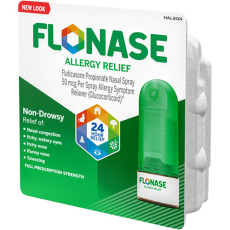
| Flonase | 0.00 € |
FAQ: Eritrodermia nel 2026
-
Occorre una ricetta per comprare Eritrodermia in farmacia?
-
Quali opzioni di pagamento sono accettate?
-
Qual è il prezzo di Eritrodermia in Italia?
-
È possibile ordinare Eritrodermia dalla vostra farmacia online?
-
Cosa devo sapere riguardo alla spedizione?
-
Eritrodermia è un prodotto legale in Italia?