



Medications for Lymphoma
Lymphoma is a type of cancer that originates in the lymphatic system, which is part of the body's immune defense. It can affect lymph nodes, spleen, bone marrow, and other organs. Early diagnosis and appropriate medication are crucial for controlling symptoms, improving quality of life, and increasing the chances of successful treatment. Advances in oncology have led to the development of targeted therapies and immunotherapies that have significantly improved outcomes for many patients. Understanding the available medications and treatment options can help patients and caregivers make informed decisions and adhere to prescribed regimens.
What is Lymphoma?
Lymphoma is a malignant disease characterized by the abnormal growth of lymphocytes, a type of white blood cell involved in immune response. It primarily affects lymph nodes but can also involve other organs such as the spleen, liver, or bone marrow. The disease can be classified as Hodgkin or non-Hodgkin lymphoma, with the latter being more common. It tends to develop gradually, often presenting with painless swelling of lymph nodes, fatigue, or fever. Prompt diagnosis is essential because early treatment can prevent progression and complications, leading to better prognosis.
Definition and Main Characteristics of Lymphoma
Lymphoma is a type of blood cancer originating from lymphocytes that proliferate uncontrollably. It can be caused by genetic mutations, infections (such as Epstein-Barr virus), or environmental factors like exposure to certain chemicals. The disease typically progresses slowly but can become aggressive if untreated. Key features include its classification into Hodgkin and non-Hodgkin types, varying degrees of severity, and risk factors such as age, immune suppression, and family history. The disease often presents with enlarged lymph nodes, night sweats, weight loss, and fatigue. The prognosis depends on the subtype, stage at diagnosis, and response to therapy.
| Type of Lymphoma | Characteristics | Prevalence |
|---|---|---|
| Hodgkin lymphoma | Typically affects young adults, characterized by Reed-Sternberg cells | About 10% of all lymphomas |
| Non-Hodgkin lymphoma | More diverse, affects older adults more frequently, varies from indolent to aggressive forms | Approximately 90% of lymphomas |
Symptoms of Lymphoma
The symptoms of lymphoma can vary depending on the stage and type but often include painless swelling of lymph nodes, especially in the neck, armpits, or groin. Other common signs are unexplained weight loss, persistent fatigue, fever, night sweats, and itching. As the disease advances, symptoms may become more severe, involving organ dysfunction or systemic effects. Recognizing these signs early can lead to prompt medical evaluation and treatment, which is vital for better outcomes. Since symptoms can resemble other less serious conditions, consulting a healthcare professional for proper assessment is always recommended.
How to Recognize Early Signs of Lymphoma
In the initial stages, the most frequent signs include painless swelling of lymph nodes, often without other symptoms. Fatigue, mild fever, or night sweats may also appear but are less specific. These symptoms can be mistaken for infections or other benign conditions, making awareness important. Noticing persistent or enlarging lymph nodes, especially if accompanied by weight loss or unexplained tiredness, warrants medical attention. Early detection improves the chances of effective treatment and reduces the risk of complications.
| Symptom | Frequency | Severity | Notes |
|---|---|---|---|
| Painless lymph node swelling | Common in early stages | Usually mild | Often localized in neck, armpits, groin |
| Fever and night sweats | Variable | Moderate to severe | May indicate progression |
| Weight loss | Less common initially | Significant if present | Unintentional and persistent |
Causes and Risk Factors of Lymphoma
The exact cause of lymphoma remains unknown, but several factors can increase the risk of developing the disease. These include genetic predisposition, infections such as Epstein-Barr virus or Helicobacter pylori, exposure to certain chemicals or radiation, and immune system suppression. Age is also a significant factor, with higher incidence in older adults, although Hodgkin lymphoma often affects younger individuals. Lifestyle factors like smoking and obesity may contribute, while chronic immune suppression from HIV/AIDS or immunosuppressive therapy increases susceptibility. Recognizing these risk factors can help in early detection and preventive strategies.
Factors Contributing to Lymphoma Development
Internal factors such as genetic mutations and immune deficiencies play a role, while external factors include environmental exposures and infections. Often, multiple factors interact, increasing the likelihood of disease onset. For example, a person with a genetic predisposition who is also exposed to carcinogens or has a chronic infection faces a higher risk. Understanding these contributors aids in identifying at-risk populations and implementing preventive measures.
| Risk Factor | Description | Probability Increase |
|---|---|---|
| Genetic predisposition | Family history of lymphoma or other cancers | Moderate |
| Infections | Epstein-Barr virus, H. pylori, HIV | Elevated risk |
| Environmental exposure | Pesticides, chemicals, radiation | Variable |
| Immune suppression | Organ transplant, HIV/AIDS | High |
Types of Medications and Treatments
Managing lymphoma involves a tailored approach based on the disease subtype, stage, and patient health. Treatment options include chemotherapy, immunotherapy, targeted therapy, radiation, or a combination of these. While some mild cases may require only watchful waiting or symptomatic treatment, more advanced or aggressive forms necessitate potent medications under medical supervision. The choice of therapy depends on multiple factors, including age, overall health, and specific disease characteristics. Always consult a healthcare professional to determine the most appropriate treatment plan.
Medications for Lymphoma Treatment
Several classes of drugs are used to combat lymphoma. Chemotherapy agents such as cyclophosphamide, doxorubicin, vincristine, and prednisone (CHOP regimen) are common. Monoclonal antibodies like rituximab target specific proteins on cancer cells, enhancing immune response. Targeted therapies, including inhibitors like brentuximab vedotin, focus on specific molecular pathways involved in tumor growth. Immunotherapies, such as checkpoint inhibitors, help restore the immune system's ability to fight cancer. The combination of these drugs is often customized to maximize effectiveness and minimize side effects.
| Type of Drug | Example of Active Ingredient | Therapeutic Purpose |
|---|---|---|
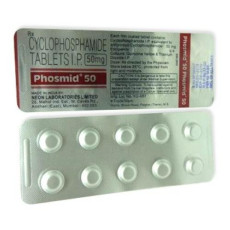
| Chemotherapy | Cyclophosphamide, Doxorubicin | Kill rapidly dividing cancer cells |
| Monoclonal antibodies | Rituximab | Target specific proteins on lymphoma cells |
| Targeted therapy | Brentuximab vedotin | Inhibit molecular pathways involved in tumor growth |
| Immunotherapy | Checkpoint inhibitors (e.g., pembrolizumab) | Enhance immune response against cancer |
Naturally Derived Remedies for Lymphoma
While medications are essential, some complementary approaches may help alleviate symptoms or improve overall well-being. These include dietary antioxidants, herbal teas like green tea, and supplements such as vitamin D, under medical supervision. Acupuncture and stress management techniques may also support immune health. However, these natural remedies should never replace prescribed treatments but can be used as supportive measures to enhance comfort and quality of life, always with professional guidance.
Forms and Presentations: Tablets, Capsules, Liquids
Medications for lymphoma are available in various forms, including tablets, capsules, injectable solutions, and infusions. Tablets and capsules are convenient for oral administration, offering ease of use and controlled dosing. Injectable forms are typically administered in clinical settings and allow for rapid absorption. Liquids or syrups may be suitable for patients with swallowing difficulties. Each form has specific advantages, such as rapid action or targeted delivery, and the choice depends on the treatment plan and patient needs.
Over-the-Counter (OTC) Medications
For managing mild symptoms like pain or fever, OTC drugs such as acetaminophen or ibuprofen can be helpful. These medications can reduce discomfort but should be used cautiously and under medical advice, especially in patients undergoing cancer treatment. It is important to remember that OTC drugs do not treat lymphoma itself and should not replace prescribed therapies. If symptoms persist or worsen, consulting a healthcare professional is essential to avoid complications.
Diagnosis and When to See a Doctor
Diagnosis of lymphoma involves a combination of physical examinations, blood tests, imaging studies, and biopsy procedures. The healthcare provider will evaluate lymph node enlargements, perform blood work to assess overall health, and may order scans like CT or PET to determine the extent of the disease. It is crucial not to self-medicate or delay medical consultation, as early diagnosis improves treatment success. Only a specialist can accurately determine the disease stage and recommend appropriate therapy, making professional evaluation indispensable.
Diagnostic Tests and Methods for Lymphoma
Diagnosis typically begins with physical examination and blood tests such as complete blood count (CBC). Imaging techniques like CT scans or PET scans help visualize affected areas. The definitive diagnosis is made through lymph node or tissue biopsy, which reveals characteristic cancer cells. Additional tests may include bone marrow biopsies or molecular studies to identify specific genetic markers. These assessments guide staging and treatment planning, emphasizing the importance of comprehensive diagnostic workups.
| Test Type | Purpose | Diagnostic Value |
|---|---|---|
| Physical exam | Detect lymph node enlargement | Initial suspicion |
| Blood tests | Assess overall health, detect anemia or infections | Supportive |
| Imaging (CT, PET) | Identify affected regions and disease spread | Staging |
| Biopsy | Confirm diagnosis, classify lymphoma | Definitive |
Signs That Require Immediate Medical Attention
If you experience sudden severe swelling of lymph nodes, high fever, unexplained bleeding, persistent pain, or difficulty breathing, seek urgent medical care. These symptoms may indicate complications or aggressive disease progression. Delaying treatment can lead to serious health risks, so prompt evaluation is essential. Any new or worsening symptoms should be reported to a healthcare professional without delay to ensure timely intervention.
Precautions and Side Effects
Even medications considered safe can cause adverse reactions, especially when used improperly or in vulnerable populations. Following the prescribed dosage, monitoring for side effects, and regular medical check-ups help minimize risks. Patients such as children, pregnant women, the elderly, or those with chronic illnesses require particular caution. Awareness of potential reactions allows for early intervention and safer treatment experiences.
Common Side Effects
Side effects vary depending on the medication but often include mild symptoms like nausea, fatigue, or skin irritation. More serious adverse reactions can involve allergic responses, liver or kidney damage, or cardiovascular issues. It is important to report any unusual or severe symptoms to a healthcare provider promptly. Risk stratification and careful monitoring are essential components of safe therapy management.
Safe Medication Use Tips
- Always follow the prescribed dosage and schedule.
- Consult your doctor before combining medications or consuming alcohol.
- Store medicines in a cool, dry place away from children.
- Attend regular follow-up appointments for monitoring.
- Report any side effects or concerns immediately.
Prevention and Daily Care
Preventive measures and healthy lifestyle choices play a vital role in managing lymphoma risk and supporting treatment. Regular medical check-ups, maintaining a balanced diet, engaging in moderate exercise, avoiding known carcinogens, and managing stress can contribute to overall health. Early recognition of symptoms and prompt medical consultation are key to effective intervention. Tailoring prevention strategies to individual risk factors enhances their effectiveness and helps maintain well-being.
Recommended Habits to Reduce Lymphoma Risk
Adopting a nutritious diet rich in fruits and vegetables, avoiding tobacco and excessive alcohol, staying physically active, practicing good hygiene, and ensuring adequate rest are beneficial. Managing stress through relaxation techniques or counseling can also support immune health. These habits collectively lower the likelihood of disease development or recurrence, promoting long-term health.
| Area of Prevention | Recommended Measures | Main Benefit |
|---|---|---|
| Diet | Eat balanced meals with antioxidants | Strengthen immune system |
| Exercise | Engage in regular moderate activity | Improve overall health |
| Hygiene | Practice good personal and environmental hygiene | Reduce infection risk |
| Stress Management | Use relaxation techniques | Support immune function |
Secondary Preventive Measures
Routine medical screenings, vaccinations where appropriate, and adherence to treatment protocols are essential in secondary prevention. Regular follow-ups allow early detection of relapse or complications. Supplementing with vitamins or medications as advised can support recovery. Following medical guidance ensures comprehensive care, reducing the likelihood of disease progression and enhancing quality of life.
Prognosis and Recovery
The outlook for lymphoma patients depends on the specific type, stage at diagnosis, and response to treatment. Early and effective therapy often results in favorable outcomes, with many patients achieving remission. Maintaining a healthy lifestyle and adhering to medical advice can accelerate recovery and reduce recurrence risk. Continuous monitoring and supportive care are vital components of long-term management, especially in chronic or relapsing cases.
Typical Recovery Time
The recovery period varies widely based on disease severity and treatment modality. Mild cases may see symptom resolution within a few days to weeks, while more advanced or aggressive forms may require several months of therapy and follow-up. For chronic lymphoma, ongoing management and periodic assessments are necessary to monitor disease activity and adjust treatment plans accordingly.
| Type of Case | Average Recovery Time | Comments |
|---|---|---|
| Mild lymphoma | Few weeks | Complete remission possible |
| Moderate to severe lymphoma | Several months | Requires ongoing treatment and monitoring |
| Chronic lymphoma | Variable, long-term management | Continuous follow-up needed |
Factors Improving Prognosis
- Early diagnosis and prompt treatment initiation
- Complete adherence to therapy protocols
- Good overall health and immune function
- Favorable disease subtype and stage
- Regular follow-up and monitoring
Lifestyle Changes for Better Outcomes
Adopting healthy habits such as balanced nutrition, regular exercise, adequate sleep, stress reduction, and avoiding harmful substances can support recovery. These lifestyle modifications enhance immune function and improve treatment tolerance, ultimately contributing to better prognosis and quality of life.
Possible Complications
If untreated or poorly managed, lymphoma can lead to serious complications such as organ failure, infections due to immune suppression, or secondary cancers. These issues can significantly impair quality of life and may be life-threatening. Preventing complications relies on timely diagnosis, adherence to treatment, and active management of side effects. With proper care, most patients can avoid severe outcomes and achieve satisfactory disease control.
| Complication | Frequency | Severity | Prevention |
|---|---|---|---|
| Organ failure | Less common | Severe | Early treatment, regular monitoring |
| Infections | Common in immunosuppressed patients | Variable | Prophylactic measures, hygiene |
| Secondary cancers | Rare but serious | Severe | Follow-up, lifestyle modifications |
With appropriate treatment and ongoing care, most lymphoma patients can achieve good disease control, avoiding long-term complications and maintaining a satisfactory quality of life.
Where to Purchase Lymphoma Medications
Medications for lymphoma are available both in physical pharmacies and online. It is essential to verify the licensing and reputation of the pharmacy to ensure the authenticity and quality of the medicines. Avoid counterfeit products by purchasing from trusted sources and checking for official certifications. All medications for lymphoma are accessible through our authorized online pharmacy in Italy, ensuring safety and convenience.
Secure Shopping in Our Online Pharmacy
Buying from our licensed online pharmacy offers numerous advantages, including professional consultation, guaranteed product authenticity, and secure payment options. We ensure strict quality control, proper packaging, and discreet shipping. Before purchasing, verify the pharmacy’s license, check the product’s expiration date, and consult our pharmacists for guidance. These precautions help ensure a safe and satisfactory shopping experience.
Can You Buy Lymphoma Medications Online Without a Prescription?
All medications used for lymphoma treatment can be purchased online without a prescription through our authorized pharmacy in Italy. This approach simplifies access for patients who need ongoing therapy or have prescriptions from their healthcare providers. However, it remains crucial to consult a healthcare professional for proper diagnosis and treatment planning. When buying online, ensure that the pharmacy is licensed, provides genuine products, and adheres to safety standards to protect your health.
Shipping Options and Quality Assurance
Our pharmacy offers various shipping methods, including standard, express, and international delivery, to meet different needs. We implement rigorous quality control measures such as batch tracking, temperature regulation, and secure packaging to maintain medication integrity. Shipping is discreet and traceable, allowing you to monitor your order from dispatch to delivery. These measures ensure that your medications arrive safely and in optimal condition, supporting effective treatment.
Price, Availability, and Discounts in Italian Pharmacies
The cost of lymphoma medications in Italy depends on factors like brand versus generic, dosage, form (tablets, capsules, infusions), and whether a prescription is required. Prices can also vary between physical pharmacies and online stores, with promotions, discounts, and loyalty programs offering additional savings. Availability may fluctuate based on demand, regional supply, or specific formulations, and some products might require special ordering. Patients are encouraged to compare prices, inquire about generic options, and ask pharmacists about ongoing promotions to obtain the best value. Planning ahead and seeking advice can help manage costs and ensure access to necessary treatments.
| Prodotti in farmacia | Prezzo |
|---|---|
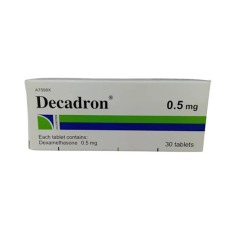
| Decadron 0.5/1 mg compresse | 13.12 € |
| Alkacel | 0.00 € |
| Ciclofosfamide | 0.00 € |
FAQ: Linfoma nel 2026
-
Occorre una ricetta per comprare Linfoma in farmacia?
-
Quali opzioni di pagamento sono accettate?
-
Qual è il prezzo di Linfoma in Italia?
-
È possibile ordinare Linfoma dalla vostra farmacia online?
-
Cosa devo sapere riguardo alla spedizione?
-
Linfoma è un prodotto legale in Italia?
-
I prodotti più venduti in farmacia