


Medications for Lower Back Pain
Lower back pain, known as dolore lombare, is a common condition affecting a large portion of the population at some point in their lives. It can range from mild discomfort to severe pain that limits daily activities. Effective management often requires a combination of approaches, with medications playing a key role in alleviating symptoms. Early diagnosis and appropriate pharmacological treatment can significantly improve quality of life by reducing pain intensity and preventing chronicity. Scientific studies highlight that tailored medication regimens, combined with physical therapy and lifestyle modifications, lead to better outcomes and faster recovery.
What is Dolore Lombare?
Dolore lombare refers to pain localized in the lower back region, involving muscles, ligaments, discs, or nerves in the lumbar area. It can be classified as acute, lasting less than six weeks, or chronic if it persists beyond this period. This condition is highly prevalent worldwide, especially among adults engaged in physically demanding activities or with sedentary lifestyles. Prompt diagnosis is crucial because untreated or poorly managed pain can lead to disability or the development of chronic pain syndromes. Understanding the underlying cause helps in selecting the most effective treatment, minimizing the impact on daily life.
Definition and Main Characteristics of Dolore Lombare
Dolore lombare is a symptom characterized by discomfort or pain in the lower back, often caused by muscle strain, disc herniation, or degenerative changes. It typically develops gradually or suddenly, depending on the cause, and can vary in intensity from mild to debilitating. The progression may involve increased stiffness, limited mobility, and radiating pain if nerve compression occurs. Risk groups include older adults, individuals with sedentary habits, or those engaged in heavy lifting. The condition often follows a fluctuating course, with periods of remission and exacerbation, requiring personalized management strategies.
Symptoms of Dolore Lombare
The most common symptoms include localized pain in the lower back, stiffness, and difficulty moving or maintaining certain positions. Some patients experience radiating pain down the legs, numbness, or tingling sensations, especially if nerve roots are affected. Symptoms can worsen with physical activity or prolonged sitting and improve with rest. Recognizing early signs is essential for timely intervention, which can prevent worsening and chronicity. Early symptoms often include dull ache, muscle tightness, and discomfort that may intensify over days or weeks if untreated.
How to Recognize the First Signs of Dolore Lombare
Initial signs often involve a dull or sharp pain localized in the lumbar region, sometimes accompanied by muscle stiffness. Patients may notice difficulty bending or twisting, and pain may worsen after physical exertion or prolonged sitting. In some cases, there is radiating pain into the buttocks or thighs, indicating nerve involvement. These early symptoms are distinguishable from other conditions by their specific location and relation to movement. Prompt recognition allows for early management, reducing the risk of progression to chronic pain.
Causes and Risk Factors of Dolore Lombare
The main causes include muscle strain from improper lifting, poor posture, degenerative disc disease, herniated discs, or traumatic injuries. Other factors such as obesity, sedentary lifestyle, aging, and genetic predisposition also contribute. Environmental influences like repetitive movements or prolonged sitting can exacerbate the condition. Infections or inflammatory diseases, though less common, may also be involved. Recognizing these risk factors helps in adopting preventive measures to reduce the likelihood of developing or worsening lower back pain.
Factors Contributing to Dolore Lombare
- Internal factors: genetic predisposition, age-related degeneration
- External factors: poor ergonomics, heavy physical work, lack of exercise
- Behavioral factors: smoking, obesity, stress
| Risk Factor | Description | Probability |
|---|---|---|
| Aging | Degenerative changes in discs and joints | High |
| Obesity | Additional load on lumbar spine | Moderate |
| Sedentary lifestyle | Weakening of back muscles | High |
Types of Medications and Treatments
Managing lower back pain involves a variety of pharmacological options, tailored to the severity and underlying cause. Mild cases may benefit from over-the-counter medications, while more intense or persistent pain might require stronger drugs prescribed by a healthcare professional. Combining medication with physical therapy, lifestyle changes, and ergonomic adjustments often yields the best results. Always consult a healthcare provider before starting or changing treatment to ensure safety and effectiveness.
Medications for Dolore Lombare
The primary drug groups used include analgesics, non-steroidal anti-inflammatory drugs (NSAIDs), muscle relaxants, and, in some cases, opioids. Analgesics like paracetamol are often first-line treatments for mild pain, providing relief without significant side effects. NSAIDs such as ibuprofen or naproxen help reduce inflammation and pain, especially in cases involving muscle or joint inflammation. Muscle relaxants like cyclobenzaprine are prescribed when muscle spasms are prominent. In severe cases, opioids may be used temporarily under strict medical supervision to control intense pain. The choice depends on pain intensity, patient health, and response to previous treatments.
| Type of Drug | Example of Active Ingredient | Therapeutic Purpose |
|---|---|---|
| Analgesics | Paracetamol | Pain relief |
| NSAIDs | Ibuprofen | Reduce inflammation and pain |
| Muscle Relaxants | Cyclobenzaprine | Relieve muscle spasms |
| Opioids | Tramadol | Severe pain control |
Natural Remedies for Dolore Lombare
Complementary approaches such as hot/cold therapy, herbal teas, and gentle stretching exercises can help alleviate symptoms. Techniques like acupuncture or massage may also provide relief, especially when combined with conventional treatment. These natural methods are best used as adjuncts and always under medical supervision to avoid adverse effects. Maintaining proper posture and engaging in regular, low-impact physical activity can further support recovery. However, they should not replace prescribed medications or professional therapies.
Forms and Presentations: Tablets, Capsules, Liquids
Medications for lower back pain are available in various forms, including tablets, capsules, syrups, topical creams, and injections. Tablets and capsules are the most common, offering convenience and controlled dosing. Topical formulations like gels or ointments provide localized relief with minimal systemic absorption. Injections may be used in specific cases, especially for severe pain or nerve block procedures. Each form has advantages: oral forms are easy to administer, while topical applications target pain directly at the site. The choice depends on the severity of symptoms, patient preference, and medical advice.
Over-the-Counter (OTC) Medications
For mild symptoms, OTC drugs such as paracetamol and NSAIDs are often sufficient to manage pain. These medications are readily available in pharmacies and can be used safely when following dosage instructions. They are suitable for short-term relief but should not be used continuously without medical consultation. If symptoms persist beyond a few days or worsen, it is essential to seek medical advice to prevent complications. Always check for contraindications, especially in patients with gastrointestinal, renal, or cardiovascular conditions.
Diagnosis and When to See a Doctor
Diagnosis of dolore lombare involves a thorough medical history, physical examination, and sometimes imaging studies. The doctor assesses pain characteristics, triggers, and associated symptoms to identify the cause. Imaging tests like X-rays, MRI, or CT scans may be ordered if there are signs of nerve compression, fractures, or other structural issues. Self-medication is discouraged because only a healthcare professional can determine the underlying cause and prescribe appropriate treatment. Early diagnosis improves treatment efficacy and prevents chronicity or complications.
Diagnostic Tests and Methods for Dolore Lombare
Common diagnostic methods include physical examination, neurological assessment, and imaging studies. Blood tests may be performed if infection or inflammation is suspected. Imaging techniques such as MRI provide detailed views of soft tissues, discs, and nerves, aiding in precise diagnosis. Electromyography (EMG) can evaluate nerve and muscle function when nerve involvement is suspected. The combination of clinical evaluation and diagnostic imaging ensures accurate identification of the cause, guiding effective treatment planning.
| Type of Test | Purpose | Diagnostic Value |
|---|---|---|
| Physical Examination | Assess pain, mobility, reflexes | Initial assessment tool |
| X-ray | Detect fractures, degenerative changes | Structural overview |
| MRI | Visualize soft tissues, discs, nerves | Detailed soft tissue imaging |
| Blood Tests | Identify infection or inflammation | Supportive diagnostic info |
Signs That Require Urgent Medical Attention
Immediate medical care is necessary if symptoms include sudden loss of bladder or bowel control, severe weakness or numbness in the legs, unexplained weight loss, fever, or persistent worsening of pain despite rest. These signs may indicate serious conditions such as cauda equina syndrome or infections requiring urgent intervention. Delaying treatment in such cases can lead to permanent nerve damage or other severe complications. Recognizing these warning signs early is vital for preventing long-term disability and ensuring appropriate management.
Precautions and Side Effects
While many medications for lower back pain are generally safe when used correctly, they can cause side effects or reactions, especially if misused. Following the prescribed dosage, avoiding alcohol, and adhering to medical advice help minimize risks. Patients with certain conditions, such as liver or kidney disease, pregnancy, or allergies, should exercise caution and inform their healthcare provider. Monitoring for adverse effects ensures safe therapy and early detection of complications. Proper use and regular follow-up are essential for effective and safe pain management.
Most Common Side Effects
Common mild side effects include nausea, stomach upset, dizziness, or drowsiness. Serious adverse reactions, though rare, may involve allergic reactions, gastrointestinal bleeding, liver or kidney damage, or cardiovascular issues. The risk varies depending on the medication type and patient health status. Patients should report any unusual symptoms promptly to their healthcare provider to adjust treatment if necessary.
Safe Medication Use Tips
- Always follow the prescribed dosage and schedule
- Check for drug interactions with other medications or supplements
- Avoid alcohol and recreational drugs during treatment
- Store medications in a cool, dry place away from children
- Attend regular medical reviews to monitor effectiveness and side effects
Prevention and Daily Care
Preventive measures and daily habits are crucial in managing and reducing the risk of dolore lombare. Maintaining good posture, engaging in regular low-impact exercise, and avoiding prolonged sitting or heavy lifting can significantly lower incidence. Routine medical check-ups help identify early signs of degenerative changes or other risk factors. Adopting ergonomic workstations and practicing proper lifting techniques also contribute to spinal health. Early intervention at the first signs of discomfort can prevent progression to chronic pain, improving long-term well-being.
Recommended Habits to Reduce the Risk of Dolore Lombare
Incorporate daily stretching and strengthening exercises for back and core muscles, maintain a healthy weight, and ensure proper ergonomics at work and home. Avoid smoking, which can impair blood flow to spinal tissues, and manage stress through relaxation techniques. A balanced diet rich in calcium and vitamin D supports bone health. Regular physical activity, such as walking or swimming, enhances muscle tone and flexibility, reducing strain on the lumbar spine. These lifestyle changes collectively help prevent the onset or recurrence of lower back pain.
Additional Preventive Measures
Secondary prevention includes routine medical evaluations, vaccinations (like influenza or tetanus), and supplementation with vitamins or minerals if deficiencies are identified. Patients with a history of back problems should adhere to personalized care plans, including physiotherapy and medication adjustments. Following medical advice and maintaining a healthy lifestyle contribute to overall spinal health and reduce the likelihood of future episodes. These proactive steps support long-term comfort and functional capacity.
Prognosis and Recovery
The outlook for individuals with dolore lombare largely depends on the underlying cause, the stage at diagnosis, and adherence to treatment. Most cases, especially acute ones, resolve within a few weeks with appropriate care, allowing patients to return to normal activities. Chronic or severe cases may require ongoing management and lifestyle modifications. Early intervention and consistent follow-up improve the chances of complete recovery and reduce the risk of long-term disability. Maintaining a healthy lifestyle and avoiding aggravating activities are essential for sustained improvement.
Typical Recovery Time
The recovery period varies according to severity: mild cases often improve within a few days to weeks, while more severe or chronic conditions may take months. For example, minor muscle strains may resolve in less than two weeks, whereas herniated discs or nerve compression might require several months of treatment. In chronic cases, ongoing management and periodic reassessment are necessary to monitor progress and prevent relapses. Patience and adherence to medical advice are key to achieving the best possible outcome.
| Type of Case | Average Recovery Time | Comments |
|---|---|---|
| Muscle strain | 1-3 weeks | Usually resolves with rest and medication |
| Herniated disc | 4-12 weeks | May require physiotherapy or surgery |
| Chronic pain | Variable, ongoing management | Requires lifestyle adjustments and continuous care |
Factors Enhancing Prognosis
- Early diagnosis and prompt treatment
- Adherence to prescribed therapy and lifestyle recommendations
- Engagement in physical therapy and exercise
- Maintaining a healthy weight and posture
- Avoiding activities that strain the back
Lifestyle Changes for Better Outcomes
Adopting healthy habits such as regular exercise, proper ergonomics, and stress management can accelerate recovery and prevent recurrences. Incorporate core-strengthening activities, ensure adequate rest, and avoid prolonged periods of inactivity. Maintaining good posture during daily activities and using supportive furniture also contribute to spinal health. These modifications support the healing process and promote long-term back health.
Potential Complications
If left untreated or poorly managed, dolore lombare can lead to complications such as persistent pain, reduced mobility, nerve damage, or even paralysis in severe cases. Chronic pain may also cause psychological effects like depression or anxiety. Infections or tumors presenting as back pain require urgent intervention to prevent irreversible damage. Early and appropriate treatment minimizes these risks, ensuring better functional recovery and quality of life.
| Complication | Frequency | Severity | Prevention |
|---|---|---|---|
| Chronic pain | Common if untreated | Moderate to severe | Timely diagnosis and therapy |
| Nerve damage | Less frequent | Severe, potentially permanent | Early intervention in nerve compression |
| Mobility impairment | Variable | Depends on severity | Proper management and rehabilitation |
With appropriate treatment and ongoing care, most patients with dolore lombare recover satisfactorily and avoid long-term complications, maintaining their quality of life. Regular follow-up and lifestyle adjustments are essential components of effective management.
Where to Buy Medications for Dolore Lombare
Medications for lower back pain are available both in physical pharmacies and online stores. It is important to verify the licensing and reputation of the pharmacy to ensure the authenticity and safety of the medicines. Avoid purchasing from unverified sources to prevent counterfeit products, which can be ineffective or harmful. Our pharmacy offers a wide range of approved medications for dolore lombare, accessible conveniently online across Italy, with guaranteed quality and safety.
Safe Shopping in Our Online Pharmacy
Choosing our authorized online pharmacy provides several advantages, including professional consultation, guaranteed product authenticity, and secure payment options. We ensure strict quality controls, proper packaging, and discreet shipping. Before purchasing, verify the pharmacy’s license, check the product’s expiration date, and consult our pharmacists for personalized advice. These precautions help ensure a safe and satisfactory shopping experience, giving you peace of mind when ordering medications for lower back pain.
Can You Buy Dolore Lombare Medications Online Without a Prescription?
Yes, in Italy, all medications for dolore lombare are available for purchase online without a prescription through our licensed pharmacy. This includes common analgesics, NSAIDs, and topical treatments suitable for mild to moderate pain. However, it is essential to use these medications responsibly, following recommended dosages and guidelines. While over-the-counter options are accessible, persistent or severe symptoms should always prompt consultation with a healthcare professional to avoid misdiagnosis or complications. Ensuring proper use and understanding the medication’s purpose is key to safe self-treatment.
Shipping Options and Quality Assurance
Our pharmacy offers various shipping methods, including standard, express, and international delivery, to meet your needs. We implement rigorous quality control measures such as batch tracking, temperature monitoring, and secure packaging to preserve medication integrity. Each shipment is traceable, ensuring transparency and accountability. These procedures guarantee that your order arrives safely and in optimal condition, providing confidence in your online purchase. Always check the tracking information and verify the packaging upon receipt to confirm product authenticity and quality.
Price, Availability, and Discounts in Italy
The cost of medications for dolore lombare in Italy varies depending on factors like brand versus generic, dosage, form (tablets, capsules, liquids), and whether a prescription is required. Prices can also differ between pharmacies and online stores, with seasonal promotions, discounts, and loyalty programs offering additional savings. Availability may fluctuate based on demand, regional supply, or specific formulations, especially for specialized dosages or delivery forms. Patients are encouraged to compare prices, inquire about generic alternatives, and take advantage of promotional offers to reduce expenses. Consulting with pharmacists can also provide insights into current discounts or stock availability, ensuring affordable access to effective treatment options.
| Prodotti in farmacia | Prezzo |
|---|---|
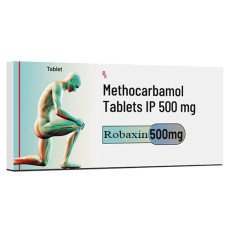
| Robaxin 500 mg compresse | 93.57 € |
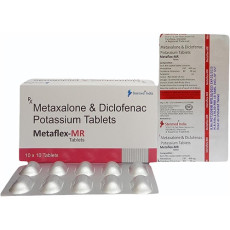
| Metaxalone MR | 0.00 € |
FAQ: Lombalgia nel 2026
-
Occorre una ricetta per comprare Lombalgia in farmacia?
-
Quali opzioni di pagamento sono accettate?
-
Qual è il prezzo di Lombalgia in Italia?
-
È possibile ordinare Lombalgia dalla vostra farmacia online?
-
Cosa devo sapere riguardo alla spedizione?
-
Lombalgia è un prodotto legale in Italia?
-
I prodotti più venduti in farmacia