


Medications for Lupus
Lupus is a chronic autoimmune disease where the immune system mistakenly attacks healthy tissues, leading to inflammation and damage in various parts of the body. Managing lupus often requires a tailored pharmacological approach to control symptoms, prevent flare-ups, and minimize organ damage. Early diagnosis combined with appropriate medication can significantly improve quality of life and reduce long-term complications. Since lupus affects multiple organs and varies greatly among individuals, treatment plans are personalized, often involving a combination of drugs to address different symptoms and disease activity levels.
What is Lupus?
Lupus, medically known as systemic lupus erythematosus, is a long-lasting autoimmune condition that primarily affects the skin, joints, kidneys, heart, and lungs. It is characterized by periods of flare-ups and remission, making its course unpredictable. The disease is more common in women, especially those of childbearing age, and its exact cause remains unknown, although genetic, environmental, and hormonal factors are believed to contribute. Prompt diagnosis and treatment are crucial because early intervention can prevent severe organ damage and improve prognosis. Recognizing symptoms early helps in initiating therapy that can control disease activity and reduce the risk of complications.
Definition and Main Characteristics of Lupus
Lupus is a multifactorial autoimmune disease where the immune system produces antibodies that attack the body's own tissues. It tends to have a relapsing-remitting course, with symptoms ranging from mild to severe. The disease can involve multiple organs, leading to diverse clinical manifestations. Risk factors include genetic predisposition, environmental triggers like UV exposure, infections, and hormonal influences. The severity varies; some patients experience mild skin rashes, while others develop life-threatening kidney or heart involvement. It is classified as a chronic condition requiring ongoing management to prevent irreversible damage.
Symptoms of Lupus
Lupus presents with a wide array of symptoms that can affect different parts of the body. Common signs include fatigue, joint pain, skin rashes (notably a butterfly-shaped rash across the cheeks), fever, and hair loss. Symptoms often fluctuate, with periods of worsening and improvement. Recognizing these early signs is vital for timely treatment, which can help prevent organ damage. Since symptoms can mimic other illnesses, a thorough medical evaluation is essential for accurate diagnosis and effective management.
How to Recognize Early Signs of Lupus
In the initial stages, lupus may manifest as mild symptoms such as fatigue, joint stiffness, and skin rashes. These signs are often nonspecific and can be mistaken for other conditions, which underscores the importance of consulting a healthcare professional if they persist. Early symptoms may include sensitivity to sunlight, mouth ulcers, and unexplained fever. Identifying these early indicators allows for prompt testing and diagnosis, improving the chances of controlling the disease effectively. Monitoring for new or worsening symptoms is crucial for timely medical intervention.
Causes and Risk Factors of Lupus
The exact cause of lupus remains unknown, but it is believed to result from a combination of genetic, environmental, and hormonal factors. Genetic predisposition plays a role, with certain gene variants increasing susceptibility. Environmental triggers such as ultraviolet light, infections, and exposure to certain chemicals can initiate or exacerbate the disease. Hormonal influences, particularly estrogen, are thought to contribute, explaining the higher prevalence in women. Lifestyle factors like smoking and stress may also influence disease activity. Understanding these factors helps in developing preventive strategies and personalized treatment plans.
Factors Contributing to Lupus Development
Several internal and external factors can trigger or worsen lupus. Genetic predisposition involves specific gene variants that affect immune regulation. External factors include exposure to sunlight, infections, and certain medications. Lifestyle choices such as smoking and stress levels can influence immune responses. Often, multiple factors interact, leading to disease onset or flares. Recognizing these contributors allows patients and clinicians to implement measures that may reduce disease activity and improve management outcomes.
| Risk Factor | Description | Probability |
|---|---|---|
| Genetics | Family history increases susceptibility due to inherited gene variants. | Moderate to high in familial cases |
| Environmental exposure | UV light, infections, and chemicals can trigger immune responses. | Variable, depends on exposure levels |
| Hormonal factors | Estrogen influences immune activity, explaining higher prevalence in women. | High in women of reproductive age |
Types of Medications and Treatments
Managing lupus involves a combination of medications tailored to disease severity, organ involvement, and individual patient factors. While some mild symptoms may be alleviated with over-the-counter remedies, more severe cases require prescription drugs. The goal is to suppress abnormal immune activity, reduce inflammation, and prevent organ damage. Treatment strategies often include a mix of medications, lifestyle modifications, and regular monitoring to achieve optimal disease control.
Medications for Lupus Treatment
| Type of Medication | Example of Active Ingredient | Therapeutic Purpose |
|---|---|---|
| Nonsteroidal Anti-Inflammatory Drugs (NSAIDs) | Ibuprofen, Naproxen | Reduce pain, inflammation, and fever |
| Corticosteroids | Prednisone, Methylprednisolone | Suppress immune response and control inflammation |
| Antimalarials | Hydroxychloroquine, Chloroquine | Manage skin and joint symptoms, prevent flares |
| Immunosuppressants | Azaithioprine, Mycophenolate mofetil | Control severe organ involvement |
| Biologic Agents | Belimumab | Target specific immune pathways to reduce disease activity |
Naturally Based Remedies for Lupus
Complementary approaches such as omega-3 fatty acids, vitamin D supplementation, and herbal teas may help alleviate some symptoms like joint pain and fatigue. These natural remedies can support overall health but should never replace prescribed medications. Always consult a healthcare provider before starting any supplement or alternative therapy to ensure safety and appropriateness. Proper lifestyle habits, including balanced diet and stress management, also play a role in disease control.
Forms and Presentations: Tablets, Capsules, Injections
Medications for lupus are available in various forms, including tablets, capsules, topical creams, and injectable formulations. Tablets and capsules are the most common and convenient for daily use, offering controlled release and ease of administration. Injections are typically reserved for severe cases or specific medications like biologics, providing rapid action and targeted delivery. Topical formulations are used for skin symptoms, offering localized relief with minimal systemic effects. The choice of form depends on the medication, severity, and patient preference.
Over-the-Counter (OTC) Medications
For mild symptoms such as minor joint discomfort or skin irritation, OTC drugs like acetaminophen or topical corticosteroids may provide relief. These options are suitable for temporary symptom management but should not replace prescribed treatments for active disease. If symptoms persist or worsen, consulting a healthcare professional is essential to prevent disease progression. Always follow dosing instructions and be aware of potential interactions with other medications.
Diagnosis and When to See a Doctor
Diagnosing lupus involves a combination of clinical evaluation, laboratory tests, and imaging studies. Physicians typically perform a detailed medical history, physical examination, blood tests (such as ANA, anti-dsDNA), and urine analysis to confirm the diagnosis. Since symptoms can be nonspecific, early consultation with a specialist is vital for accurate diagnosis and timely treatment. Self-medication is discouraged because improper management can lead to serious complications. Regular follow-up ensures disease activity is monitored and treatment adjusted accordingly.
Diagnostic Tests for Lupus
| Test Type | Purpose | Diagnostic Value |
|---|---|---|
| Antinuclear Antibody (ANA) Test | Detect presence of autoantibodies | High sensitivity; positive in most lupus cases |
| Anti-dsDNA and Anti-Sm Tests | Identify specific lupus-related antibodies | High specificity; correlates with disease activity |
| Blood Counts and Inflammatory Markers | Assess inflammation and organ involvement | Elevated ESR, CRP; anemia, leukopenia |
| Urinalysis | Detect kidney involvement | Proteinuria, hematuria indicate renal disease |
Signs That Require Urgent Medical Attention
Immediate medical care is necessary if symptoms such as chest pain, sudden weakness, difficulty breathing, severe abdominal pain, or sudden vision changes occur. These may indicate life-threatening complications like heart or lung involvement, stroke, or severe kidney failure. Prompt intervention can prevent irreversible damage and improve outcomes. Recognizing these warning signs and seeking urgent care is essential for effective management of lupus complications.
Precautions and Side Effects
While many medications used in lupus are generally safe when properly prescribed, they can cause side effects. Adherence to medical instructions minimizes risks, and patients should report any unusual symptoms promptly. Certain groups, such as pregnant women, children, the elderly, or those with other chronic illnesses, require special precautions. Regular monitoring helps detect adverse reactions early, ensuring safe and effective treatment.
Common Side Effects
Common mild side effects include nausea, stomach upset, weight gain, and mood changes. Serious adverse reactions, though less frequent, may involve allergic reactions, liver or kidney problems, or increased risk of infections. A detailed understanding of potential effects allows for better management and timely intervention if needed.
Safe Medication Use Tips
- Follow prescribed dosages strictly and do not alter doses without medical advice.
- Take medications with food if recommended to reduce gastrointestinal discomfort.
- Avoid alcohol and certain foods that may interact with your medications.
- Store medicines in a cool, dry place away from children.
- Attend regular check-ups for ongoing assessment of treatment efficacy and side effects.
Prevention and Daily Care
While lupus cannot be entirely prevented, adopting healthy habits can reduce the risk of flares and complications. Regular medical check-ups, sun protection, balanced diet, adequate rest, and stress management are key components. Early recognition of symptoms and prompt medical attention help in controlling disease activity and preventing organ damage. Tailoring lifestyle choices to individual health status enhances overall well-being and disease management.
Recommended Habits to Reduce Lupus Risk
Implementing a nutritious diet rich in antioxidants, engaging in moderate exercise, avoiding excessive sun exposure, and managing stress are beneficial. Avoiding smoking and maintaining a healthy weight also contribute to better disease control. These habits support immune health and can lessen the frequency and severity of lupus flares.
| Area of Prevention | Recommended Measures | Main Benefit |
|---|---|---|
| Sun Protection | Use broad-spectrum sunscreen, wear protective clothing | Reduces skin flare-ups and rashes |
| Healthy Diet | Consume fruits, vegetables, omega-3 rich foods | Supports immune function and reduces inflammation |
| Stress Management | Practice relaxation techniques, adequate sleep | Decreases flare frequency and improves mood |
| Regular Exercise | Engage in moderate activity like walking or yoga | Enhances overall health and reduces fatigue |
Additional Preventive Measures
Routine medical check-ups, vaccinations (where appropriate), and supplementation with vitamins such as D and calcium can help maintain health. Following medical advice for disease monitoring and medication adherence is essential. These secondary prevention strategies contribute to better disease control and improve long-term outcomes. Educating patients about symptom recognition and lifestyle modifications empowers them to manage their condition effectively.
Prognosis and Recovery
The outlook for lupus patients varies depending on disease severity, organ involvement, and response to treatment. With appropriate management, most individuals can lead active lives with minimal organ damage. Early diagnosis and consistent therapy are critical for favorable outcomes. Maintaining a healthy lifestyle and adhering to medical recommendations further enhance prognosis. Regular monitoring allows for timely adjustments to therapy, reducing the risk of long-term complications.
Typical Recovery Time
The recovery period depends on the severity and organ involvement of lupus. Mild cases may see symptom improvement within days to weeks after starting treatment, while more severe cases involving organs like kidneys or heart may require months of therapy and ongoing management. Chronic lupus often necessitates lifelong treatment and periodic assessments to achieve remission or control disease activity. Close follow-up ensures optimal recovery and quality of life.
| Type of Case | Average Recovery Time | Comments |
|---|---|---|
| Mild Lupus | Few days to weeks | Symptoms resolve quickly with treatment |
| Moderate to Severe Lupus | Weeks to months | Requires ongoing therapy and monitoring |
| Chronic Lupus | Variable; ongoing management | Complete remission may not be possible; control is key |
Factors Improving Prognosis
- Early diagnosis and prompt initiation of therapy
- Adherence to prescribed medications and lifestyle recommendations
- Regular medical follow-up and monitoring
- Effective management of comorbid conditions
- Patient education and active participation in care
Lifestyle Changes for Better Outcomes
Adopting a balanced diet, engaging in regular moderate exercise, avoiding smoking, managing stress, and ensuring adequate rest are vital. These habits support immune health, reduce flare-ups, and promote overall well-being. Patients should also avoid excessive sun exposure and follow medical advice diligently to prevent disease progression.
Potential Complications
If lupus is left untreated or poorly controlled, it can lead to serious complications such as kidney failure, cardiovascular disease, neurological issues, and increased risk of infections. These complications can significantly impair quality of life and may be life-threatening. Preventing these outcomes depends on early diagnosis, consistent treatment, and active disease management. Regular check-ups and adherence to therapy are essential to minimize risks and maintain health.
| Complication | Frequency | Severity | Prevention |
|---|---|---|---|
| Kidney Damage (Lupus Nephritis) | Common in active disease | Serious; can lead to renal failure | Early detection and immunosuppressive therapy |
| Cardiovascular Disease | Increased risk over time | Potentially life-threatening | Control of inflammation, healthy lifestyle |
| Neurological Complications | Variable | Can cause seizures, strokes | Monitoring and appropriate treatment |
| Infections | Higher due to immunosuppressants | Can be severe or fatal | Vaccinations, infection control measures |
With proper treatment and ongoing care, most lupus patients can achieve good disease control and avoid severe long-term complications, leading to a better quality of life.
Where to Buy Medications for Lupus
Medications for lupus are available both in physical pharmacies and online stores. It is essential to verify the license and reputation of the pharmacy to ensure the authenticity and quality of the medicines. Avoiding counterfeit products is crucial for safety and efficacy. Purchasing from trusted sources guarantees access to genuine medications and professional support when needed.
Secure Shopping at Our Online Pharmacy
Our authorized online pharmacy offers a safe and convenient way to purchase lupus medications. Benefits include professional consultation, guaranteed product authenticity, secure payment options, and straightforward return policies. Always check the pharmacy’s license, examine packaging for tampering, verify expiration dates, and consult the pharmacist if you have any doubts. These precautions help ensure a safe and satisfactory shopping experience.
Can You Buy Lupus Medications Online Without a Prescription?
All medications used in lupus management can be purchased online through our licensed pharmacy without a prescription, provided they are over-the-counter or prescribed via a valid medical consultation. However, it is strongly recommended to consult a healthcare professional before starting or changing any treatment. Proper diagnosis and personalized therapy are essential to avoid adverse effects and ensure effective disease control. Always ensure that the online pharmacy complies with national regulations and provides verified products.
Shipping Options and Quality Assurance
We offer various shipping methods, including standard, express, and international delivery, to meet your needs. Our quality control measures include batch traceability, temperature-controlled packaging, discreet and secure packaging, and shipment tracking. These procedures guarantee that your medications arrive safely and in optimal condition. During delivery, you can monitor your order’s progress and verify the integrity of the package upon receipt.
Price, Availability, and Discounts in Italian Pharmacies
The cost of lupus medications in Italy varies based on factors such as brand versus generic, dosage, formulation (tablets, capsules, liquids), and whether a prescription is required. Regional differences and ongoing promotions can also influence prices. Availability may fluctuate depending on demand, seasonal factors, or supply chain issues, with some formulations available immediately and others on request. Many pharmacies offer discounts, coupons, and loyalty programs that can make treatments more affordable. Patients are encouraged to compare prices across different outlets, inquire about generic options, and ask pharmacists about current promotions to optimize their healthcare budget. If a specific formulation or dose is not readily available, alternative options can often be suggested by the pharmacist.
| Prodotti in farmacia | Prezzo |
|---|---|
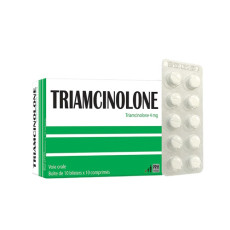
| Triamcinolone 4mg compresse | 39.35 € |
| Desametasone | 0.00 € |
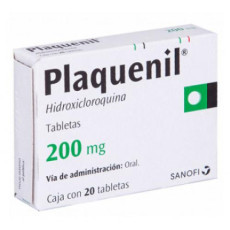
| Plaquenil | 0.00 € |
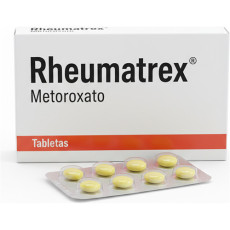
| Rheumatrex | 0.00 € |
FAQ: Lupus nel 2026
-
Occorre una ricetta per comprare Lupus in farmacia?
-
Quali opzioni di pagamento sono accettate?
-
Qual è il prezzo di Lupus in Italia?
-
È possibile ordinare Lupus dalla vostra farmacia online?
-
Cosa devo sapere riguardo alla spedizione?
-
Lupus è un prodotto legale in Italia?
-
I prodotti più venduti in farmacia