


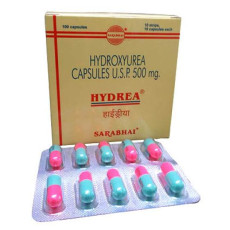
Medications for Melanoma
Melanoma is a serious form of skin cancer that originates in the pigment-producing cells called melanocytes. Early diagnosis and appropriate treatment are crucial to prevent the disease from spreading and to improve survival rates. Pharmacological therapies play a vital role, especially in advanced stages, by targeting cancer cells and boosting the immune response. Advances in medical research have led to the development of targeted therapies and immunotherapies that have significantly improved outcomes for many patients. Understanding the available medications and their proper use can help patients and caregivers make informed decisions and adhere to treatment plans effectively.
What is Melanoma?
Melanoma is a malignant tumor that develops from melanocytes, the cells responsible for skin pigmentation. It most often appears on sun-exposed areas but can occur anywhere on the body, including internal organs. The disease can be either acute or chronic, depending on its progression, and is known for its potential to metastasize rapidly if not treated early. According to epidemiological studies, melanoma accounts for a small percentage of skin cancers but is responsible for the majority of skin cancer-related deaths. Prompt diagnosis and treatment are essential because early-stage melanoma is highly treatable, whereas advanced stages pose significant health risks.
Definition and Main Characteristics of Melanoma
Melanoma is a type of skin cancer characterized by the uncontrolled growth of melanocytes. It is caused primarily by genetic factors and excessive exposure to ultraviolet (UV) radiation from sunlight or tanning beds. The disease progresses through stages, from localized tumors to widespread metastasis, with prognosis worsening as it advances. Melanoma can be classified into several types, including superficial spreading, nodular, lentigo maligna, and acral lentiginous melanoma. Risk groups include individuals with fair skin, a history of sunburns, numerous moles, or a family history of melanoma. Its aggressive nature makes early detection and treatment vital to improve survival chances.
| Type of Melanoma | Characteristics | Prevalence |
|---|---|---|
| Superficial spreading | Most common, grows horizontally before penetrating deeper | 70% of cases |
| Nodular | Rapid vertical growth, more aggressive | 15-20% of cases |
| Lentigo maligna | Slow-growing, typically on sun-exposed skin of older adults | 10% of cases |
| Acral lentiginous | Occurs on palms, soles, under nails; more common in darker skin | 5% of cases |
Symptoms of Melanoma
Melanoma can present with various signs, but the most common is a new or changing mole. Patients may notice asymmetrical shapes, irregular borders, multiple colors, or a diameter larger than 6mm. Sometimes, melanoma appears as a dark spot or a bump that may bleed or ulcerate. Recognizing these symptoms early allows for prompt medical evaluation, which is essential for effective treatment. The appearance and severity of symptoms often depend on the stage of the disease, with early stages being asymptomatic or presenting subtle changes. Being vigilant about skin changes and seeking medical advice when noticing suspicious lesions can significantly impact outcomes.
How to Recognize the First Signs of Melanoma
Early signs of melanoma often include a mole that changes in size, shape, or color. Common warning signs are the appearance of a new pigmented lesion or a mole that looks different from others (the ABCDEs: Asymmetry, Border irregularity, Color variation, Diameter over 6mm, Evolving). These symptoms can sometimes resemble benign skin changes, but persistence or rapid change warrants medical attention. In some cases, patients may notice itching, tenderness, or bleeding from a mole. Being aware of these early indicators helps in seeking timely diagnosis and treatment, which can be life-saving.
Causes and Risk Factors of Melanoma
Multiple factors contribute to the development of melanoma, including genetic predisposition, environmental exposure, and lifestyle choices. Excessive ultraviolet (UV) radiation from sun exposure or tanning beds is a primary external risk factor. Genetic mutations and family history also increase susceptibility. Other internal factors include fair skin, light hair, numerous moles, and a history of sunburns. Age and immune system status can influence risk, with higher incidence observed in older adults and immunocompromised individuals. Environmental factors such as geographic location and ozone layer depletion further elevate risk levels. Understanding these factors helps in adopting preventive measures to reduce the likelihood of developing melanoma.
| Risk Factor | Description | Probability Increase |
|---|---|---|
| UV exposure | Prolonged sun exposure or tanning beds | High |
| Genetics | Family history of melanoma | Moderate to high |
| Skin type | Fair skin, light hair, freckles | Increased |
| Number of moles | Many atypical or large moles | Higher risk |
| Age | Older age groups | Increased |
Factors Contributing to Melanoma Development
External factors such as UV radiation from sunlight or artificial tanning are significant contributors, especially when exposure is intense or prolonged. Internal factors include genetic mutations affecting cell regulation, which can be inherited or acquired. Lifestyle choices, like using tanning beds or neglecting sun protection, amplify risk. Often, multiple factors act together, increasing the likelihood of melanoma development. For example, a person with fair skin, a history of sunburns, and a family history faces a compounded risk. Recognizing these multifactorial causes emphasizes the importance of preventive behaviors and early detection strategies.
Types of Medications and Treatments
The treatment of melanoma depends on its stage and location, involving a combination of surgical procedures, targeted therapies, immunotherapies, and sometimes chemotherapy. Early-stage melanoma may be treated effectively with surgical excision alone, while advanced stages require systemic treatments. The choice of medication is tailored to the individual, considering age, overall health, and disease progression. While some medications are available over-the-counter for symptom relief, definitive treatment of melanoma always requires prescription medications under medical supervision. Recent advances have introduced highly effective targeted drugs and immune checkpoint inhibitors that have transformed the prognosis for many patients.
Medications for Melanoma Treatment
Several classes of drugs are used in melanoma therapy, including targeted therapies such as BRAF and MEK inhibitors, and immunotherapies like PD-1 and CTLA-4 inhibitors. BRAF inhibitors (e.g., vemurafenib, dabrafenib) specifically target mutations in the BRAF gene, which are present in about 50% of melanomas. Immunotherapy agents, such as pembrolizumab and nivolumab, work by activating the immune system to attack cancer cells. Combination therapies, involving multiple drugs, are often employed to improve efficacy and overcome resistance. The selection of these medications depends on the genetic profile of the tumor and the disease stage, always under strict medical supervision.
| Type of Drug | Example of Active Ingredient | Therapeutic Goal |
|---|---|---|
| Targeted therapy | Vemurafenib, Dabrafenib | Inhibit specific genetic mutations in melanoma cells |
| Immunotherapy | Pembrolizumab, Nivolumab | Enhance immune response against melanoma |
| Chemotherapy | DTIC (Dacarbazine) | Kill rapidly dividing cancer cells |
Natural Remedies for Melanoma
While conventional treatments are essential, some complementary natural approaches may help alleviate symptoms or support overall well-being. For example, antioxidant-rich foods like berries and green tea can help reduce oxidative stress. Herbal remedies such as turmeric or aloe vera may provide soothing effects on skin lesions, but their use should always be discussed with a healthcare professional. Proper nutrition, stress management, and adequate hydration are also beneficial. However, it is important to emphasize that these natural methods do not replace medical treatment and should be used only as supportive measures under medical supervision.
Forms and Presentations: Tablets, Capsules, Injections
Medications for melanoma are available in various forms, including tablets, capsules, injectable solutions, and topical preparations. Oral forms like tablets and capsules are convenient for systemic therapy, offering ease of administration and rapid absorption. Injections are often used for immunotherapies or targeted drugs administered in clinical settings, ensuring precise dosing. Topical formulations may be used for superficial lesions or palliative care. Each form has specific advantages, such as controlled release, localized effect, or ease of use, depending on the treatment plan and patient needs.
Over-the-Counter (OTC) Medications
OTC medications are generally limited to symptom relief, such as pain or skin irritation, and do not treat melanoma itself. Common OTC options include analgesics like paracetamol or NSAIDs for pain management, and topical creams for skin irritation. These should only be used for mild symptoms, and if symptoms persist or worsen, medical consultation is essential. Self-medicating without professional guidance can delay diagnosis and appropriate treatment, so it is important to seek medical advice for any suspicious skin changes or persistent symptoms.
Diagnosis and When to Consult a Doctor
Diagnosis of melanoma involves a thorough skin examination by a dermatologist, who assesses suspicious lesions using visual inspection and dermoscopy. If necessary, a biopsy is performed to confirm malignancy. Laboratory tests and imaging studies, such as ultrasound or CT scans, may be used to determine the extent of spread. Early diagnosis significantly improves treatment success, making it crucial not to delay seeking medical attention for any unusual skin changes. Self-diagnosis is unreliable; only trained healthcare professionals can accurately evaluate and stage the disease.
Diagnostic Tests and Methods for Melanoma
Key diagnostic methods include visual examination, dermoscopy, and biopsy. Histopathological analysis of the biopsy sample confirms the diagnosis and provides information on tumor thickness and invasion depth. Imaging techniques like PET or MRI scans help detect metastases in advanced cases. Blood tests may assist in monitoring overall health and treatment response. Combining these methods allows for accurate staging and tailored treatment planning, which is essential for improving prognosis.
| Type of Test | Purpose | Diagnostic Value |
|---|---|---|
| Skin examination | Identify suspicious lesions | Initial screening |
| Biopsy | Confirm malignancy | Definitive diagnosis |
| Imaging (CT, MRI, PET) | Detect metastasis | Staging and treatment planning |
Signs That Require Urgent Medical Attention
Any rapid change in a mole, bleeding, ulceration, or pain should prompt immediate medical consultation. Symptoms such as unexplained weight loss, persistent fatigue, or swelling of lymph nodes also require urgent evaluation. If a lesion appears asymmetrical, irregular, or changes in color or size quickly, delaying medical care can lead to disease progression. Recognizing these warning signs early can prevent metastasis and improve treatment outcomes. Prompt action is essential to avoid serious complications and improve survival chances.
Precautions and Side Effects
Even medications considered safe can cause adverse reactions if misused or in sensitive individuals. Following the prescribed dosage and instructions minimizes risks. Monitoring for side effects such as skin rash, fatigue, or gastrointestinal disturbances is important. Certain populations, like children, pregnant women, the elderly, or those with chronic illnesses, require special precautions. Regular follow-up with healthcare providers ensures early detection of adverse effects and appropriate management, contributing to safer therapy outcomes.
Common Side Effects
Common mild side effects include nausea, fatigue, skin rash, and diarrhea. More serious adverse reactions, though less frequent, can involve allergic reactions, liver toxicity, or cardiovascular issues. For example, immunotherapy may cause immune-related adverse events like colitis or pneumonitis. Recognizing symptoms early and reporting them to a healthcare professional helps prevent severe complications. The risk of side effects varies depending on the medication and individual health status, underscoring the importance of medical supervision during treatment.
Safe Medication Use Tips
- Always follow the prescribed dosage and schedule provided by your healthcare provider.
- Store medications in a cool, dry place away from direct sunlight and out of reach of children.
- Avoid alcohol and certain foods that may interact with your medication, as advised by your doctor.
- Do not share medications with others, and do not use expired products.
- Schedule regular check-ups to monitor treatment effectiveness and detect side effects early.
Prevention and Daily Care
Preventive measures and daily skin care are essential components of managing melanoma risk. Regular skin self-examinations help detect early changes, while professional skin checks are recommended annually or more frequently for high-risk individuals. Using broad-spectrum sunscreens, wearing protective clothing, and avoiding peak sun hours reduce UV exposure. Maintaining a healthy lifestyle, including a balanced diet and avoiding tanning beds, supports overall skin health. Early intervention and consistent preventive habits can significantly decrease the likelihood of melanoma development or recurrence.
Recommended Habits to Reduce Melanoma Risk
Adopt daily sun protection practices such as applying sunscreen with high SPF, wearing hats and protective clothing, and seeking shade during peak hours. Avoid tanning beds and artificial UV sources. Regularly check your skin for new or changing moles and lesions, and report suspicious changes promptly. Maintain a healthy diet rich in antioxidants, stay hydrated, and manage stress effectively. These habits collectively contribute to reducing the risk of melanoma and supporting overall skin health.
Additional Preventive Measures
Secondary prevention includes routine dermatological screenings, especially for individuals with risk factors. Vaccinations are not currently available for melanoma, but ongoing research explores immunopreventive strategies. Supplementing with vitamins such as D, under medical advice, may support immune function. Following medical recommendations for skin protection and lifestyle modifications enhances long-term health and reduces recurrence risk. Consistent adherence to these measures is key to effective melanoma management.
Prognosis and Recovery
The outlook for melanoma patients depends largely on the stage at diagnosis, tumor characteristics, and response to treatment. Early detection generally results in a favorable prognosis, with high survival rates when the disease is confined to the skin. Advanced melanoma, especially with metastasis, presents more challenges but can still be managed effectively with modern therapies. Adherence to treatment plans and lifestyle adjustments support recovery and long-term remission. Regular follow-up appointments are crucial to monitor for recurrence or new lesions, ensuring ongoing health management.
Typical Recovery Time
The recovery period varies based on the severity and treatment modality. For localized melanoma treated with surgery, healing may take a few weeks, with most symptoms resolving within days to weeks. In cases requiring systemic therapy, such as immunotherapy or targeted drugs, recovery can extend over several months, with some side effects lasting longer. For advanced cases, ongoing treatment and monitoring are necessary, often involving a multidisciplinary team. Patients should discuss their individual prognosis with their healthcare provider to understand expected timelines and recovery milestones.
| Type of Case | Average Recovery Time | Comments |
|---|---|---|
| Localized melanoma (surgery) | 2-6 weeks | Most symptoms resolve quickly |
| Advanced melanoma (systemic therapy) | Several months to years | Requires ongoing management |
Factors Improving Prognosis
- Early detection and prompt treatment initiation
- Complete surgical removal of the tumor
- Adherence to prescribed therapies
- Regular follow-up and monitoring
- Healthy lifestyle and skin protection habits
Lifestyle Changes for Better Outcomes
Patients are encouraged to adopt healthy habits such as maintaining a balanced diet, avoiding excessive sun exposure, quitting smoking, and managing stress. These changes support immune function and overall health, which can enhance treatment effectiveness. Staying physically active and ensuring adequate rest also contribute to faster recovery. Consistent skin monitoring and prompt reporting of new or changing lesions are vital for early intervention and prevention of recurrence.
Potential Complications
If melanoma is left untreated or poorly managed, it can lead to serious complications, including metastasis to vital organs, which can be life-threatening. Other issues include local tissue destruction, ulceration, and secondary infections. In some cases, the disease may cause lymphatic or vascular invasion, leading to further spread. Preventing these outcomes depends on early diagnosis, adherence to treatment, and active disease management. With proper care, most patients can avoid severe complications and achieve satisfactory outcomes.
| Complication | Frequency | Severity | Prevention |
|---|---|---|---|
| Metastasis | High in advanced stages | Serious, life-threatening | Early detection and treatment |
| Local tissue destruction | Variable | Moderate to severe | Complete excision |
| Secondary infections | Possible if ulceration occurs | Variable | Proper wound care |
With appropriate treatment and ongoing care, most patients with melanoma can achieve good outcomes and avoid long-term complications.
Where to Purchase Melanoma Medications
Medications for melanoma are available both in physical pharmacies and online stores. It is essential to verify the licensing and reputation of the pharmacy to ensure the authenticity and quality of the medicines. Avoid counterfeit products by checking for proper certification, packaging, and expiration dates. Purchasing from reputable sources helps guarantee safety and efficacy, which are critical in cancer treatment. All medications for melanoma are accessible through our trusted online pharmacy in Italy, offering convenience and reliability.
Secure Shopping in Our Online Pharmacy
Buying from our authorized online pharmacy offers numerous advantages, including professional consultation, guaranteed product authenticity, and secure payment options. We ensure strict quality controls, proper packaging, and discreet shipping. Before completing your purchase, verify the pharmacy’s license, examine the product packaging, and confirm the expiration date. Our customer service is available to assist with any questions, and a clear return policy is in place to address potential issues. Ensuring these safety measures helps protect your health and provides peace of mind during treatment.
Can Melanoma Medications Be Purchased Online Without a Prescription?
All medications used for melanoma treatment can be purchased online without a prescription through our licensed pharmacy in Italy. This allows patients to access essential drugs conveniently, especially in cases where immediate consultation is not possible. However, it remains crucial to have a proper diagnosis and follow medical advice for safe and effective therapy. When buying online, ensure that the platform is authorized, and always verify the authenticity of the products. Self-medicating without professional guidance can be risky, so consultation with a healthcare provider is recommended before starting any treatment.
Shipping Options and Quality Assurance
Our pharmacy offers multiple shipping methods, including standard, express, and international delivery, to meet different needs. All shipments are carefully tracked, with batch numbers and temperature controls to maintain drug integrity. Packaging is discreet and secure to prevent tampering or damage. We implement rigorous quality checks, including verifying the authenticity of each lot and ensuring proper storage conditions during transit. Customers can track their orders and receive updates, ensuring transparency and confidence in the delivery process.
Price, Availability, and Discounts in Italy
The cost of melanoma medications in Italy varies depending on the drug’s brand or generic status, dosage, form, and whether a prescription is required. Prices can also differ between traditional pharmacies and online outlets, with online stores often offering competitive discounts. Availability may fluctuate based on demand, regional supply, and seasonal factors; some formulations might be on backorder or only available upon request. Many pharmacies provide special offers, coupons, and loyalty programs that can reduce costs. Patients are encouraged to compare prices, inquire about generic options, and ask pharmacists about current promotions to find the most affordable treatment options. Planning ahead and staying informed about availability ensures timely access to necessary medications.
| Prodotti in farmacia | Prezzo |
|---|---|
| Hydrea 500 mg compresse | 98.64 € |
FAQ: Melanoma nel 2026
-
Occorre una ricetta per comprare Melanoma in farmacia?
-
Quali opzioni di pagamento sono accettate?
-
Qual è il prezzo di Melanoma in Italia?
-
È possibile ordinare Melanoma dalla vostra farmacia online?
-
Cosa devo sapere riguardo alla spedizione?
-
Melanoma è un prodotto legale in Italia?
-
I prodotti più venduti in farmacia