


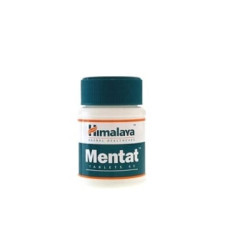

Medications for Memory Support
Memory issues can significantly impact daily life, affecting personal relationships, work performance, and overall well-being. As a common concern, especially among older adults, managing memory decline often involves a combination of lifestyle changes and pharmacological treatments. Proper medication can help slow progression, improve cognitive functions, and enhance quality of life. Early diagnosis and tailored therapy are crucial for optimal results, as they allow interventions to be more effective and prevent further deterioration. Scientific studies highlight that a comprehensive approach, including medication, can make a meaningful difference in managing memory-related conditions.
What is Memory?
Memory refers to the brain's ability to encode, store, and retrieve information. It involves complex processes primarily centered in the hippocampus and other parts of the brain responsible for cognition. Memory issues can be acute or chronic, with the latter often associated with neurodegenerative diseases like Alzheimer’s. These conditions are increasingly prevalent with age, making early detection vital. Recognizing memory problems early allows for timely intervention, which can slow decline and improve daily functioning. Understanding how memory works helps in identifying when it is impaired and when medical attention is needed.
Definition and Main Characteristics of Memory Disorders
Memory disorders encompass a range of conditions characterized by difficulty in forming or recalling memories. They can be caused by neurodegenerative diseases, brain injuries, infections, or psychological factors. These conditions often progress gradually, with symptoms worsening over time. Key features include forgetfulness, confusion, and difficulty learning new information. Risk groups include older adults, individuals with a family history of dementia, and those with certain medical conditions. The severity varies from mild forgetfulness to profound amnesia, requiring different management strategies.
| Type of Memory Disorder | Progression | Severity | Risk Groups |
|---|---|---|---|
| Mild Cognitive Impairment | Gradual | Moderate | Older adults, family history |
| Alzheimer’s Disease | Progressive | Severe | Older adults, genetic predisposition |
| Vascular Dementia | Variable | Variable | Patients with cardiovascular risk factors |
Symptoms of Memory Disorders
Memory problems manifest through forgetfulness, difficulty concentrating, and confusion. Early signs may include misplacing objects, forgetting appointments, or struggling to recall recent events. As the condition advances, individuals may forget familiar faces, struggle with daily tasks, or become disoriented. Recognizing these symptoms early is essential for prompt diagnosis and treatment. Variations in symptoms depend on the underlying cause and stage of the disorder, but early intervention can help manage progression effectively. Being attentive to subtle changes can make a significant difference in outcomes.
How to Recognize Early Signs of Memory Problems
Common early indicators include forgetting recent conversations, losing track of dates or appointments, and difficulty learning new information. These signs often differ from normal age-related forgetfulness by their frequency and impact on daily life. For example, repeatedly forgetting important dates or frequently misplacing items are red flags. Some individuals may also experience mood changes or difficulty concentrating. Differentiating these from normal lapses requires careful observation and, when in doubt, consultation with a healthcare professional. Early detection allows for interventions that can slow decline and improve quality of life.
| Type of Symptom | Frequency | Estimated Severity | Notes |
|---|---|---|---|
| Forgetfulness of recent events | Common in early stages | Moderate | Often overlooked as normal aging |
| Disorientation in familiar places | Progressive | Severe | Requires medical evaluation |
| Difficulty with complex tasks | Early to moderate | Variable | Impacts daily functioning |
Causes and Risk Factors of Memory Disorders
Memory decline can result from various internal and external factors. Age remains the most significant risk factor, with neurodegenerative processes becoming more common over time. Genetic predispositions, such as APOE gene mutations, also increase susceptibility. External influences include lifestyle habits, environmental exposures, infections, and head injuries. Chronic conditions like hypertension, diabetes, and cardiovascular disease contribute to vascular dementia. Additionally, stress, depression, and poor sleep quality can impair cognitive functions, often acting as triggers or accelerators of memory decline.
Factors Contributing to Memory Disorders
Key contributors include genetic factors, lifestyle choices, and environmental exposures. Internal factors such as genetic mutations influence brain health, while external factors like smoking, poor diet, and lack of physical activity exacerbate risks. Infections and traumatic brain injuries can cause acute or chronic memory issues. Often, multiple factors interact, increasing the likelihood of developing a memory disorder. Recognizing these contributors helps in implementing preventive measures and early interventions.
| Risk Factor | Description | Probability |
|---|---|---|
| Genetics | Inherited gene mutations increase susceptibility | Moderate to high |
| Lifestyle | Poor diet, sedentary habits, smoking | High |
| Environmental factors | Exposure to toxins, head trauma | Variable |
Types of Medications and Treatments
Managing memory disorders involves a combination of pharmacological and non-pharmacological strategies. The choice of medication depends on the severity and underlying cause, with some treatments available over the counter and others requiring prescription. Lifestyle modifications, cognitive training, and supportive therapies complement drug therapy. Always consult a healthcare professional before starting any treatment to ensure safety and appropriateness.
Medications for Memory Support
Several classes of drugs are used to support memory and cognitive function. Cholinesterase inhibitors, such as donepezil, rivastigmine, and galantamine, are commonly prescribed to improve neurotransmitter levels in conditions like Alzheimer’s disease. NMDA receptor antagonists like memantine are used in moderate to severe stages to regulate glutamate activity. In some cases, antidepressants or antipsychotics may be prescribed to manage associated symptoms. The selection of medication depends on individual patient needs, disease stage, and potential side effects.
| Type of Drug | Example Active Ingredient | Therapeutic Purpose |
|---|---|---|
| Cholinesterase inhibitors | Donepezil, Rivastigmine | Enhance cholinergic transmission, slow decline |
| NMDA receptor antagonists | Memantine | Reduce glutamate excitotoxicity in severe stages |
| Antidepressants | Sertraline, Citalopram | Manage depression, which can worsen memory issues |
Natural Remedies for Memory
Complementary approaches include herbal supplements like ginkgo biloba, which may support cerebral blood flow, and omega-3 fatty acids, known for their neuroprotective properties. Other options include antioxidants such as vitamin E and B vitamins, which may help slow cognitive decline. Mindfulness, physical activity, and mental exercises are also beneficial in maintaining cognitive health. However, these remedies should be used as adjuncts and always under medical supervision to ensure safety and effectiveness.
Forms and Presentations: Tablets, Capsules, Liquids
Medications for memory support are available in various forms, including tablets, capsules, liquids, and patches. Tablets and capsules are the most common, offering convenience and controlled release options. Liquids are suitable for those with swallowing difficulties, while patches provide a steady release of medication over time. Each form has specific advantages, such as rapid absorption or ease of administration, tailored to patient needs. The choice depends on the medication type, patient preference, and medical advice.
Over-the-Counter (OTC) Medications
For mild memory complaints, some OTC supplements like ginkgo biloba or certain multivitamins may provide support. These products are generally used to promote brain health and improve circulation. However, their efficacy varies, and they should not replace prescribed medications. It is essential to consult a healthcare professional before starting any OTC supplement, especially if other medications are being taken or if underlying health conditions exist. Always verify the quality and authenticity of OTC products to avoid counterfeit or substandard items.
Diagnosis and When to See a Doctor
Accurate diagnosis of memory issues involves a comprehensive clinical evaluation by a healthcare professional. The process includes medical history, cognitive assessments, and possibly neuroimaging or laboratory tests. Early diagnosis is vital for effective management and to rule out reversible causes such as vitamin deficiencies or infections. Self-diagnosis and self-medication are discouraged, as only a specialist can determine the appropriate treatment plan. Prompt medical attention can slow disease progression and improve quality of life.
Diagnostic Tests and Methods for Memory Disorders
Diagnosis typically involves cognitive tests like the Mini-Mental State Examination (MMSE) or Montreal Cognitive Assessment (MoCA). Neuroimaging techniques such as MRI or CT scans help identify structural brain changes. Blood tests can detect metabolic or infectious causes. In some cases, lumbar puncture or genetic testing may be performed. These methods collectively help confirm the diagnosis, assess severity, and guide treatment decisions.
Signs That Require Urgent Medical Attention
If sudden memory loss, confusion, difficulty speaking, weakness, or loss of coordination occur, immediate medical care is essential. These symptoms may indicate stroke, severe infection, or other acute neurological events. Rapid intervention can prevent permanent damage and improve outcomes. Any sudden change in mental status should be treated as an emergency, and prompt evaluation by a healthcare professional is critical.
Precautions and Side Effects
Even medications considered safe can cause adverse reactions if misused or in sensitive individuals. Following prescribed dosages, monitoring for side effects, and regular medical check-ups are important for safety. Particular caution is needed for children, pregnant women, older adults, and those with chronic illnesses. Awareness of potential reactions helps in early detection and management of side effects, reducing risks associated with therapy.
Common Side Effects
Common mild side effects include nausea, dizziness, fatigue, or gastrointestinal discomfort. Serious adverse reactions, though rare, may involve allergic responses, liver problems, or cardiovascular issues. Patients should report any unusual symptoms to their healthcare provider promptly. Risk levels vary depending on the medication and individual health status, emphasizing the importance of medical supervision.
Safe Medication Use Tips
- Always adhere to the prescribed dosage and schedule.
- Store medications in a cool, dry place away from children and pets.
- Do not mix medications with alcohol or certain foods unless approved by a doctor.
- Regularly review medications with your healthcare provider to avoid interactions.
- Report any side effects or concerns immediately.
Prevention and Daily Care
Preventive measures and healthy habits play a crucial role in maintaining cognitive health. Regular medical check-ups, a balanced diet rich in antioxidants, physical activity, and mental exercises can reduce the risk of memory decline. Early recognition of symptoms and prompt intervention are key to slowing progression. Tailoring lifestyle choices to individual health status enhances overall well-being and cognitive resilience.
Recommended Habits to Reduce Memory Risks
Adopt a diet rich in fruits, vegetables, and omega-3 fatty acids; engage in regular physical activity; ensure adequate sleep; manage stress through relaxation techniques; and stay socially active. These habits support brain health and may delay or prevent the onset of memory disorders. Incorporating cognitive training and avoiding smoking or excessive alcohol consumption further contribute to cognitive longevity.
| Test Type | Purpose | Diagnostic Value |
|---|---|---|
| Cognitive assessments | Evaluate memory, attention, and reasoning | High for screening |
| Neuroimaging | Identify brain atrophy or lesions | Confirmatory |
| Blood tests | Detect metabolic or infectious causes | Supportive |
| Prevention Area | Recommended Measures | Main Benefit |
|---|---|---|
| Diet | Consume antioxidants, omega-3s, and vitamins | Protects brain cells |
| Exercise | Engage in regular aerobic activity | Improves blood flow and cognition |
| Sleep | Maintain consistent sleep schedule | Supports memory consolidation |
| Stress Management | Practice mindfulness or relaxation techniques | Reduces cognitive decline risk |
Additional Preventive Measures
Secondary prevention includes routine health screenings, vaccinations, and supplementation of vitamins like B12 and D when deficiencies are identified. Regular cognitive assessments can detect early changes, allowing timely intervention. Following medical advice and adhering to prescribed therapies contribute to long-term brain health. These measures not only reduce the risk of memory disorders but also promote overall wellness and quality of life.
Prognosis and Recovery
The outlook for individuals with memory disorders depends on the underlying cause, disease stage, and how early treatment begins. With appropriate management, many patients experience stabilization or slow progression, leading to improved daily functioning. Adherence to therapy and lifestyle modifications are essential for optimal outcomes. Early diagnosis and continuous care significantly influence recovery prospects, emphasizing the importance of proactive health management.
Typical Recovery Time
The duration of recovery varies widely based on severity. Mild cases may see improvement within days to weeks, especially with early intervention. Moderate to severe conditions often require months of treatment and ongoing support. Chronic disorders like Alzheimer’s may involve a slow, gradual decline, necessitating long-term management and monitoring. Consistent follow-up and adjustments to therapy are vital for maximizing recovery potential.
| Case Type | Average Recovery Time | Comments |
|---|---|---|
| Mild Memory Issues | Few days to weeks | Often reversible with early treatment |
| Moderate to Severe | Several months | Requires ongoing management |
| Chronic Conditions | Long-term, variable | Progressive, needs continuous care |
Factors Enhancing Prognosis
- Early diagnosis and prompt treatment initiation
- Adherence to prescribed therapies
- Healthy lifestyle and cognitive engagement
- Regular medical follow-up and monitoring
- Supportive environment and social interaction
Lifestyle Changes for Better Outcomes
Implementing healthy habits such as balanced nutrition, physical activity, mental exercises, and stress reduction can accelerate recovery and prevent recurrence. Avoiding harmful substances like excessive alcohol and tobacco, maintaining social connections, and ensuring adequate sleep are also beneficial. These lifestyle modifications support brain health and contribute to a more favorable prognosis.
Potential Complications
If left untreated or poorly managed, memory disorders can lead to serious complications, including increased dependency, depression, and risk of accidents. Severe cases may progress to complete loss of independence, caregiver burden, and reduced quality of life. Early intervention and consistent management are crucial to prevent these adverse outcomes. Regular medical follow-up and adherence to treatment plans help mitigate risks and promote better long-term health.
| Complication | Frequency | Severity | Prevention |
|---|---|---|---|
| Loss of independence | Common in advanced stages | Severe | Early diagnosis and treatment |
| Depression and anxiety | Frequent | Moderate to severe | Psychological support, medication |
| Accidents and injuries | Increased risk | Variable | Supervision, safety measures |
With appropriate treatment and ongoing care, most patients with memory disorders can achieve satisfactory management, reducing the risk of long-term complications and maintaining a better quality of life.
Where to Purchase Memory Medications
Medications aimed at supporting memory are available both in physical pharmacies and online stores. It is essential to verify the legitimacy of the pharmacy and ensure the authenticity and quality of the products purchased. Avoiding counterfeit medications is crucial for safety and efficacy. Our online pharmacy offers a wide selection of approved medications for memory support, ensuring secure and reliable delivery across Italy.
Secure Online Pharmacy Shopping
Shopping at our authorized online pharmacy provides several advantages, including professional consultation, guaranteed product authenticity, and secure payment options. Always check for proper licensing, examine the packaging for tampering, verify expiration dates, and consult the pharmacist if you have any doubts. These precautions help ensure a safe purchasing experience and effective treatment.
Can Memory Medications Be Purchased Online Without a Prescription?
All medications for memory support can be purchased online without a prescription through our licensed pharmacy. This allows for easier access, especially for mild symptoms or ongoing maintenance therapy. However, it remains important to consult a healthcare professional for proper diagnosis and personalized treatment planning. When buying online, ensure that the platform is reputable, provides clear product information, and complies with legal regulations. This approach guarantees safety and effectiveness while avoiding counterfeit products.
Shipping Options and Quality Assurance
We offer various shipping methods, including standard, express, and international delivery, to meet different needs. Our quality control measures include batch traceability, temperature monitoring during transit, discreet packaging, and shipment tracking. These procedures ensure that medications arrive safely and in optimal condition. Customers can track their orders and verify the authenticity of products at every stage, ensuring peace of mind and reliable service.
Pricing, Availability, and Discounts in Italy
The cost of memory medications in Italy varies based on factors such as brand name or generic, dosage, form (tablets, capsules, liquids), and whether a prescription is required. Regional differences and pharmacy channels also influence prices, with online pharmacies often offering more competitive rates. Availability may fluctuate depending on demand, seasonality, and stock levels; some formulations might be available only upon request. Many pharmacies provide discounts, promotional offers, coupons, and loyalty programs, making treatment more affordable. Patients are encouraged to compare prices, inquire about generic options, and ask pharmacists about ongoing promotions to optimize their investment in health. If a specific form or dosage is needed, early planning can facilitate ordering and alternative options.
| Prodotti in farmacia | Prezzo |
|---|---|
| Mentat 60 capsule | 87.32 € |
| Mentat DS Sciroppo 100 ml | 42.36 € |
FAQ: Memoria nel 2026
-
Occorre una ricetta per comprare Memoria in farmacia?
-
Quali opzioni di pagamento sono accettate?
-
Qual è il prezzo di Memoria in Italia?
-
È possibile ordinare Memoria dalla vostra farmacia online?
-
Cosa devo sapere riguardo alla spedizione?
-
Memoria è un prodotto legale in Italia?
-
I prodotti più venduti in farmacia