


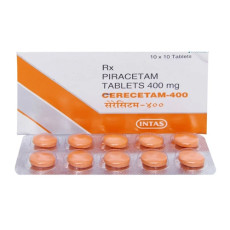
Medications for Myoclonus
Myoclonus is a neurological condition characterized by sudden, involuntary muscle jerks or twitches. It can affect different parts of the body and may occur sporadically or frequently, impacting daily life. Proper treatment is essential to control symptoms, improve quality of life, and prevent potential complications. Early diagnosis combined with appropriate pharmacological therapy can significantly reduce symptom severity and help patients regain normal functioning. Medications are often tailored to the type and severity of myoclonus, with options ranging from over-the-counter remedies to prescription drugs, depending on individual needs.
What is Myoclonus?
Myoclonus involves rapid, brief muscle contractions or jerks that can be either localized or generalized across the body. It may be a symptom of underlying neurological disorders or occur independently, with some forms being chronic and others transient. The condition can affect people of all ages but is more common in older adults or those with specific neurological diseases. Recognizing and treating myoclonus promptly is crucial because it can interfere with daily activities, sleep, and overall well-being if left unmanaged. Accurate diagnosis often requires neurological assessment and specialized tests to determine the underlying cause.
Definition and Main Characteristics of Myoclonus
Myoclonus is defined as sudden, involuntary muscle jerks resulting from abnormal nerve activity. It can be caused by various factors, including neurological diseases, metabolic disturbances, or medication side effects. The progression of myoclonus varies; some forms are benign and transient, while others are persistent and progressive. Key features include the speed of muscle contractions, their distribution, and triggers such as stress or fatigue. Risk groups include individuals with neurodegenerative disorders, epilepsy, or metabolic syndromes. The severity ranges from mild, occasional twitches to severe, disabling spasms that impair movement and coordination.
| Type of Myoclonus | Characteristics | Common Causes |
|---|---|---|
| Physiological | Normal reflexes, brief muscle jerks | Sleep, startle response |
| Essential | Involuntary jerks without underlying disease | Genetic factors |
| Epileptic | Associated with seizures, often generalized | Epilepsy syndromes |
| Symptomatic | Linked to neurological diseases or injuries | Stroke, neurodegeneration, infections |
Symptoms of Myoclonus
Myoclonus manifests as sudden, brief muscle jerks that can occur in isolated muscles or groups, sometimes affecting the entire body. Symptoms may be mild, such as a quick twitch, or severe, causing significant movement disruptions. The frequency varies from occasional episodes to continuous spasms, often worsening with fatigue or stress. Recognizing these signs early is vital for timely intervention, which can prevent symptom escalation and improve quality of life. Patients might also experience sleep disturbances or fatigue due to persistent jerks, emphasizing the importance of medical evaluation.
How to Recognize the First Signs of Myoclonus
Early symptoms often include sudden, involuntary muscle jerks that may be mistaken for normal twitches or fatigue-related spasms. These jerks typically occur without warning and can be triggered by loud noises, stress, or movement. In initial stages, they are usually brief and localized but can become more frequent or widespread over time. Differentiating myoclonus from other movement disorders involves noting the suddenness, brief duration, and involuntary nature of the movements. Prompt recognition allows for early diagnosis and management, reducing the risk of progression.
| Type of Symptom | Frequency | Severity | Notes |
|---|---|---|---|
| Localized jerks | Occasional | Mild | |
| Generalized spasms | Frequent | Moderate to severe | |
| Sleep disturbances | Variable | Impact on rest |
Causes and Risk Factors of Myoclonus
Myoclonus can arise from a variety of internal and external factors. Primary causes include genetic predispositions, neurodegenerative diseases, metabolic imbalances, or adverse effects of medications. External factors such as infections, trauma, stress, or exposure to toxins may also contribute. Age is a significant risk factor, with older adults being more susceptible due to degenerative changes. Understanding these causes helps in developing targeted treatment strategies and implementing preventive measures to reduce the risk of developing or worsening myoclonus.
Factors Causing Myoclonus
Internal factors like genetic mutations or neurodegenerative processes can directly damage nerve pathways, leading to involuntary muscle jerks. External influences such as infections (e.g., encephalitis), trauma, or medication side effects may trigger or exacerbate symptoms. Lifestyle factors, including stress and sleep deprivation, can also contribute by increasing nervous system excitability. Often, multiple factors interact, creating a multifactorial origin for myoclonus. Recognizing these contributors is essential for effective management and prevention.
| Type of Factor | Example | Mechanism of Influence |
|---|---|---|
| Genetic | Familial myoclonus | Inherited nerve pathway abnormalities |
| Environmental | Head injury | Neural tissue damage |
| Metabolic | Uremia, hypoxia | Neuronal excitability alteration |
| Medication | Antidepressants, opioids | Neurotransmitter imbalance |
Types of Medications and Treatments
Managing myoclonus involves a combination of pharmacological and non-pharmacological approaches. The choice of treatment depends on the severity, underlying cause, and patient-specific factors. Mild cases may respond to lifestyle modifications or over-the-counter remedies, while more severe or persistent forms often require prescription medications. Early intervention can help control symptoms effectively and prevent progression. It is essential that treatment plans are supervised by healthcare professionals to ensure safety and optimal outcomes.
Medications for Myoclonus
Several classes of drugs are used to treat myoclonus, each targeting different aspects of nerve activity. Anticonvulsants such as valproic acid and clonazepam are among the most common, aiming to stabilize nerve signals and reduce jerks. Benzodiazepines enhance inhibitory neurotransmission, providing relief in many cases. Other options include levetiracetam and piracetam, which modulate neuronal excitability. The selection of medication depends on the type of myoclonus, patient age, and comorbidities, always under medical supervision.
| Type of Drug | Example of Active Ingredient | Therapeutic Goal |
|---|---|---|
| Anticonvulsants | Valproic acid, Levetiracetam | Reduce nerve hyperexcitability |
| Benzodiazepines | Clonazepam, Diazepam | Enhance inhibitory signals |
| Muscle relaxants | Baclofen | Alleviate muscle spasms |
Naturally Based Remedies for Myoclonus
Complementary approaches such as herbal supplements, relaxation techniques, and dietary adjustments may help alleviate mild symptoms. For example, magnesium supplements, valerian root, or melatonin have been suggested to reduce nerve excitability. Mindfulness and stress reduction exercises can also contribute to symptom management. However, these natural remedies should only be used as adjuncts to prescribed treatments and always under medical supervision to ensure safety and effectiveness.
Forms and Presentations: Tablets, Capsules, Liquids
Medications for myoclonus are available in various forms, including tablets, capsules, syrups, and topical preparations. Tablets and capsules are the most common, offering convenience and precise dosing. Liquids may be preferred for children or individuals with swallowing difficulties. Topical formulations are less common but can be used for localized symptoms. Each form has specific advantages, such as rapid absorption or ease of administration, tailored to patient needs and treatment plans.
Over-the-Counter (OTC) Medications
For mild symptoms, some OTC options may provide temporary relief, such as analgesics or mild sedatives. However, it is important to remember that OTC drugs are generally not sufficient for managing persistent or severe myoclonus. Always consult a healthcare professional before using OTC medications to avoid interactions or masking underlying conditions. If symptoms persist or worsen, seeking medical advice is essential for appropriate diagnosis and treatment adjustments.
Diagnosis and When to See a Doctor
Diagnosing myoclonus involves a detailed neurological examination, medical history review, and specialized tests such as electromyography (EMG) or EEG. These assessments help determine the type and cause of myoclonus, guiding effective treatment. Self-diagnosis is discouraged because similar symptoms can be caused by other conditions. Consulting a neurologist ensures accurate diagnosis and tailored therapy. Early medical evaluation improves treatment outcomes and prevents complications associated with untreated or misdiagnosed cases.
Diagnostic Tests and Methods for Myoclonus
Diagnosis typically includes physical and neurological examinations, complemented by laboratory tests like blood work to identify metabolic causes. Electrophysiological studies such as EMG measure muscle activity, while EEG records brain activity to detect epileptic origins. Imaging techniques like MRI can reveal structural brain abnormalities. These combined assessments confirm the diagnosis and help identify underlying causes, enabling targeted treatment strategies.
| Type of Test | Purpose | Diagnostic Value |
|---|---|---|
| Neurological exam | Assess motor function and reflexes | Initial suspicion and localization |
| Electromyography (EMG) | Measure muscle electrical activity | Characterize myoclonus type |
| EEG | Record brain activity | Detect epileptic activity |
| MRI | Visualize brain structures | Identify lesions or degenerative changes |
Signs That Require Urgent Medical Attention
Immediate medical care is necessary if myoclonus is accompanied by sudden loss of consciousness, severe headache, weakness, or signs of neurological deterioration. Also, if jerks are persistent, worsening, or associated with seizures, confusion, or difficulty speaking, prompt evaluation is critical. These symptoms may indicate serious underlying conditions such as stroke, brain hemorrhage, or severe infections. Delaying treatment in such cases can lead to irreversible damage or life-threatening complications.
Precautions and Side Effects
While many medications used for myoclonus are generally safe when properly prescribed, they can cause side effects. Common adverse reactions include drowsiness, dizziness, nausea, or irritability. More serious effects, such as allergic reactions, liver problems, or cardiac issues, require immediate medical attention. Following the prescribed dosage, avoiding alcohol, and reporting any unusual symptoms to your doctor are essential steps to minimize risks. Special caution is advised for vulnerable groups like children, pregnant women, or the elderly, who may experience different or heightened side effects.
Most Common Side Effects
Typical mild side effects include fatigue, dizziness, and gastrointestinal discomfort. Rare but severe reactions may involve allergic skin rashes, liver enzyme elevations, or heart rhythm disturbances. Patients should monitor their response to medication and inform their healthcare provider if adverse effects occur. Regular follow-up and blood tests can help detect potential issues early, ensuring safe and effective treatment.
Safe Medication Use Tips
- Always adhere to the prescribed dosage and schedule.
- Avoid alcohol and recreational drugs that may interact with medications.
- Store medicines in a cool, dry place away from children.
- Do not alter doses or stop medication without consulting your doctor.
- Schedule regular check-ups to monitor treatment effectiveness and side effects.
Prevention and Daily Care
Preventive measures and healthy lifestyle choices play a vital role in managing myoclonus. Regular medical check-ups, a balanced diet, adequate sleep, and stress management can reduce symptom severity and recurrence. Avoiding known triggers such as excessive caffeine or stressors can also help. Tailoring daily routines to include gentle exercise and relaxation techniques supports nervous system stability. These strategies, combined with medical treatment, contribute to better long-term control and improved quality of life.
Recommended Habits to Reduce Myoclonus Risk
Maintaining a healthy diet rich in antioxidants, engaging in regular physical activity, ensuring sufficient sleep, and managing stress through mindfulness or therapy are beneficial. Avoiding stimulants like caffeine and alcohol, staying hydrated, and practicing good sleep hygiene can further decrease the likelihood of episodes. Incorporating these habits into daily life supports overall neurological health and may prevent symptom escalation.
| Area of Prevention | Recommended Measures | Main Benefit |
|---|---|---|
| Diet | Balanced nutrition, antioxidants | Reduces oxidative stress |
| Exercise | Moderate physical activity | Enhances nervous system resilience |
| Sleep hygiene | Consistent sleep schedule | Prevents fatigue-related triggers |
| Stress management | Relaxation techniques, therapy | Decreases nervous system excitability |
Additional Preventive Measures
Secondary prevention includes routine health screenings, vaccination against infections that may affect the nervous system, and supplementation with vitamins such as B12 or D when deficiencies are identified. Adherence to medical advice, timely treatment of underlying conditions, and lifestyle modifications contribute to reducing the risk of myoclonus episodes. Regular follow-up appointments enable early detection of potential triggers or complications, supporting long-term health and symptom control.
Prognosis and Recovery
The outlook for individuals with myoclonus depends on the underlying cause, disease progression, and response to treatment. Many cases, especially those with identifiable and treatable origins, have a favorable prognosis when managed appropriately. Early diagnosis and adherence to prescribed therapies significantly improve outcomes. Maintaining a healthy lifestyle and regular medical follow-up are essential for optimal recovery and symptom control. In some chronic forms, ongoing management may be necessary to prevent relapses and maintain quality of life.
Typical Recovery Time
The duration of recovery varies widely; mild cases may resolve within days to weeks, especially if the cause is temporary or medication adjustments are effective. More severe or chronic cases might require months of treatment and continuous monitoring. For example, acute drug-induced myoclonus may improve quickly after discontinuation, while neurodegenerative-related myoclonus may need long-term management. In chronic conditions, ongoing therapy and periodic reassessment are crucial for gradual improvement.
| Type of Case | Average Recovery Time | Comments |
|---|---|---|
| Acute, mild | Few days to weeks | Often resolves with treatment adjustment |
| Chronic or severe | Several months | Requires ongoing management and monitoring |
Factors Improving Prognosis
- Early diagnosis and prompt treatment initiation
- Adherence to prescribed medication and lifestyle modifications
- Management of underlying causes or comorbidities
- Regular follow-up and monitoring
- Patient education and active participation in care
Lifestyle Changes for Better Outcomes
Adopting a healthy lifestyle, including balanced nutrition, regular exercise, stress reduction, and adequate sleep, can accelerate recovery and reduce recurrence risk. Avoiding known triggers such as caffeine, alcohol, and stressors supports neurological stability. Patients are encouraged to maintain routines that promote overall well-being, which complements medical treatments and enhances long-term prognosis.
Potential Complications
If left untreated or poorly controlled, myoclonus can lead to complications such as falls, injuries, social isolation, and sleep disturbances. Severe cases may impair mobility and independence, increasing the risk of secondary health issues like fractures or psychological effects such as anxiety or depression. In rare instances, underlying neurological conditions may progress, causing irreversible damage. Preventing these outcomes relies on timely diagnosis, effective management, and patient engagement in care.
| Complication | Frequency | Severity | Prevention |
|---|---|---|---|
| Falls and injuries | Common in severe cases | Major | Medication control, home safety measures |
| Social isolation | Variable | Moderate | Support groups, counseling |
| Progression of neurological damage | In untreated cases | Severe | Early diagnosis and treatment |
With appropriate treatment and active management, most patients with myoclonus can achieve satisfactory symptom control and avoid long-term complications, leading to improved quality of life.
Where to Buy Medications for Myoclonus
Medications for myoclonus are available both in physical pharmacies and online stores. It is important to verify that the pharmacy is licensed and reputable to ensure the quality and authenticity of the medicines. Avoiding counterfeit products is crucial for safety and effectiveness. Always purchase from trusted sources, especially when buying online, and check for proper certification and reviews. Our online pharmacy offers all medications for myoclonus with guaranteed authenticity and compliance with safety standards.
Secure Shopping at Our Online Pharmacy
Shopping at our authorized online pharmacy provides several advantages, including professional consultation, guaranteed product quality, and secure payment options. We ensure the authenticity of all medicines through strict quality controls and proper packaging. Before purchasing, verify the pharmacy’s license, examine the packaging for tampering, and check expiration dates. Our customer service is available to assist with any questions, and we offer easy return policies to ensure customer satisfaction.
Can You Buy Myoclonus Medications Online Without a Prescription?
All medications used to treat myoclonus can be purchased online without a prescription through our pharmacy, in accordance with Italian regulations. However, it is strongly recommended to consult a healthcare professional before starting any treatment to ensure proper diagnosis and dosage. Our platform provides a safe and legal way to access necessary medicines, but self-medication without medical guidance can be risky. Always follow the prescribed instructions and seek medical advice if symptoms persist or worsen.
Shipping Options and Quality Assurance
We offer multiple shipping methods, including standard, express, and international delivery, to meet your needs. Our quality control measures include batch traceability, temperature monitoring during transit, discreet packaging, and shipment tracking. These procedures ensure that medicines arrive safely and in optimal condition. During delivery, we verify the integrity of the package and maintain strict standards to prevent tampering or damage, guaranteeing the safety and efficacy of your order.
Price, Availability, and Discounts in Italian Pharmacies
The cost of medications for myoclonus in Italy varies depending on several factors, such as the specific drug name (brand or generic), dosage, form (tablets, capsules, liquids), and whether a prescription is required. The availability of certain formulations may fluctuate based on regional supply, demand, and seasonal factors. Many pharmacies offer discounts, promotional codes, and loyalty programs that can make treatments more affordable. Patients are encouraged to compare prices across different outlets, inquire about generic alternatives, and ask pharmacists about ongoing promotions. If a particular form or dose is not readily available, it is advisable to consult your healthcare provider or pharmacist for suitable alternatives or special ordering options.
| Prodotti in farmacia | Prezzo |
|---|---|
| Cerecetam 400/800/1200 mg compresse | 68.21 € |
FAQ: Mioclonia nel 2026
-
Occorre una ricetta per comprare Mioclonia in farmacia?
-
Quali opzioni di pagamento sono accettate?
-
Qual è il prezzo di Mioclonia in Italia?
-
È possibile ordinare Mioclonia dalla vostra farmacia online?
-
Cosa devo sapere riguardo alla spedizione?
-
Mioclonia è un prodotto legale in Italia?
-
I prodotti più venduti in farmacia