


Medications for Neuroblastoma
Neuroblastoma is a type of cancer that primarily affects young children, originating from nerve tissue in the adrenal glands or sympathetic nervous system. Due to its aggressive nature, early diagnosis and appropriate treatment are crucial to improve outcomes and quality of life. Pharmacological therapies play a vital role in managing this disease, often used alongside surgery, radiation, and immunotherapy. Advances in medical research have led to the development of targeted drugs and combination regimens that aim to reduce tumor size, prevent recurrence, and minimize side effects. Understanding the available medications and their proper use can help caregivers and patients navigate treatment options effectively.
What is Neuroblastoma?
Neuroblastoma is a malignant tumor that develops from immature nerve cells called neuroblasts. It most commonly occurs in the adrenal glands, located above the kidneys, but can also originate in other parts of the sympathetic nervous system. The disease is most prevalent in children under five years old and tends to grow rapidly, often presenting with symptoms like abdominal swelling or pain. Early detection is essential because the prognosis significantly improves with prompt treatment, especially in localized stages. If left untreated, neuroblastoma can spread to bones, lymph nodes, and other organs, complicating management and reducing survival chances.
Definition and Main Characteristics of Neuroblastoma
Neuroblastoma is a cancer arising from primitive nerve cells, characterized by its rapid progression and potential for metastasis. It is classified as a solid tumor and is considered one of the most common extracranial cancers in children. The disease's severity varies depending on factors such as tumor stage, age at diagnosis, and genetic features like MYCN amplification. It often presents with symptoms related to tumor location, such as abdominal mass, bone pain, or neurological deficits. Risk groups are defined based on tumor spread, age, and biological markers, guiding treatment strategies and prognosis.
Symptoms of Neuroblastoma
The clinical presentation of neuroblastoma can differ widely, but common signs include a palpable abdominal mass, swelling around the eyes, bone pain, and fever. Symptoms may also involve weight loss, fatigue, or neurological issues if the tumor compresses nearby structures. The severity and variety of symptoms depend on the tumor's size, location, and whether it has spread. Recognizing these early signs can lead to faster diagnosis and treatment, which are critical for better outcomes. In advanced stages, symptoms like difficulty breathing or paralysis may occur, emphasizing the importance of prompt medical evaluation.
How to Recognize Early Signs of Neuroblastoma
Early symptoms often include a painless abdominal swelling or lump that parents or caregivers notice during routine activities. Swelling around the eyes, causing a characteristic "raccoon" appearance, is also common. Children may experience persistent pain, fever, or unexplained weight loss. Some signs can mimic less serious conditions, such as infections, making vigilance important. If these symptoms persist or worsen, consulting a healthcare professional promptly is essential for accurate diagnosis and timely intervention.
Causes and Risk Factors of Neuroblastoma
The exact cause of neuroblastoma remains unknown, but genetic and environmental factors are believed to contribute. Certain genetic mutations, such as MYCN gene amplification, increase the risk and are associated with more aggressive disease. Family history of neuroblastoma or other cancers may also play a role, although such cases are rare. Environmental exposures, like parental smoking or radiation, have been investigated but lack definitive links. Age is a significant risk factor, with most cases diagnosed in children under five, highlighting the importance of early screening in high-risk groups.
Factors Contributing to Neuroblastoma Development
- Genetic mutations: e.g., MYCN amplification, chromosome abnormalities
- Family history: rare but possible genetic predisposition
- Environmental exposures: limited evidence, but some studies suggest possible links
- Age: predominantly affects children under five years old
| Risk Factor | Description | Probability |
|---|---|---|
| Genetic mutations | Alterations in specific genes like MYCN increase risk | Moderate to high in aggressive cases |
| Family history | Rare familial cases suggest genetic predisposition | Low but noteworthy |
| Environmental factors | Potential exposure to radiation or toxins | Limited evidence, but possible |
Types of Medications and Treatments
Managing neuroblastoma involves a multidisciplinary approach, with medications playing a central role. Treatment plans are tailored based on tumor stage, patient age, and overall health. While some medications are available over-the-counter for symptom relief, the core cancer treatments require prescription drugs administered under medical supervision. Chemotherapy, immunotherapy, and targeted therapies are commonly used to attack cancer cells, shrink tumors, and prevent recurrence. The choice of drugs depends on disease severity, with more aggressive cases often needing combination regimens. Always consult a healthcare professional before starting or changing any treatment plan.
Medications Used in Neuroblastoma Treatment
| Type of Medication | Example of Active Ingredient | Therapeutic Purpose |
|---|---|---|
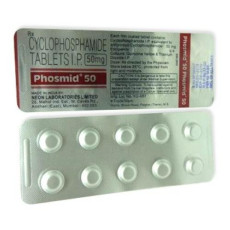
| Chemotherapy agents | Cisplatin, Cyclophosphamide | Destroy rapidly dividing cancer cells |
| Immunotherapy | Dinutuximab | Enhance immune response against tumor cells |
| Targeted therapy | Alisertib | Inhibit specific molecular pathways involved in tumor growth |
Naturally Derived Remedies for Neuroblastoma
While medications are essential for treating neuroblastoma, some complementary approaches may help alleviate symptoms or improve well-being. Techniques such as acupuncture, herbal supplements, and nutritional support can be considered, but only as adjuncts under medical supervision. These methods are not substitutes for standard treatment but may support overall health and reduce side effects. Always consult your healthcare provider before trying any natural remedies to ensure safety and appropriateness.
Forms and Presentations: Tablets, Capsules, Liquids
Medications for neuroblastoma are available in various forms, including tablets, capsules, syrups, and injectable solutions. Tablets and capsules are convenient for oral administration, offering ease of use and precise dosing. Liquids are often preferred for young children who cannot swallow pills, providing flexibility in dosing. Injectable forms are used in hospital settings for chemotherapy or immunotherapy, ensuring rapid and controlled delivery. Each form has specific advantages depending on the treatment phase and patient needs.
Over-the-Counter (OTC) Medications
For symptom management, some OTC drugs can provide relief from minor discomforts associated with treatment, such as pain or fever. Common options include acetaminophen or ibuprofen for pain and fever reduction. However, these should only be used for mild symptoms and under guidance, as they do not treat the underlying cancer. If symptoms persist or worsen, it is essential to seek medical advice promptly. Always verify with your healthcare provider before combining OTC medications with prescribed treatments.
Diagnosis and When to See a Doctor
Diagnosis of neuroblastoma involves a combination of physical examinations, imaging studies, and laboratory tests. Medical professionals typically start with ultrasound or MRI scans to locate tumors, followed by biopsy to confirm malignancy. Blood and urine tests can detect tumor markers, aiding in staging and treatment planning. Early consultation with a specialist is vital if symptoms like abdominal swelling, unexplained pain, or eye swelling are observed. Timely diagnosis improves the chances of successful treatment and better prognosis.
Diagnostic Tests for Neuroblastoma
| Type of Test | Purpose | Diagnostic Value |
|---|---|---|
| Imaging (MRI, CT, Ultrasound) | Locate tumor and assess spread | High sensitivity for tumor detection |
| Biopsy | Confirm malignancy and analyze genetics | Definitive diagnosis |
| Blood and urine tests | Detect tumor markers like catecholamines | Supportive diagnostic information |
Signs That Require Urgent Medical Attention
If a child exhibits sudden neurological symptoms, severe pain, difficulty breathing, or rapid deterioration in general condition, immediate medical care is necessary. Signs such as persistent vomiting, loss of consciousness, or significant bleeding should prompt urgent evaluation. Delaying care in these situations can lead to serious complications, including tumor compression or metastasis. Recognizing these warning signs ensures prompt intervention and improves survival chances.
Precautions and Side Effects
Even medications considered safe can cause adverse reactions, especially when used improperly or in vulnerable populations like children. Following prescribed dosages, monitoring for side effects, and maintaining regular medical check-ups are essential to minimize risks. Some patients, such as young children, pregnant women, or those with chronic illnesses, require special precautions. Awareness of potential reactions helps in early detection and management of complications, ensuring safer treatment courses.
Common Side Effects
Most treatments may cause mild effects like nausea, fatigue, or skin irritation. More serious adverse reactions include allergic responses, liver toxicity, or heart problems, which require immediate medical attention. The risk and severity depend on the specific medication and individual patient factors. Regular monitoring and communication with healthcare providers are crucial to managing side effects effectively.
Safe Medication Use Tips
- Always adhere to prescribed dosages and schedules
- Store medications in a cool, dry place away from children
- Do not mix medications without medical advice
- Report any unusual symptoms promptly
- Attend regular follow-up appointments for monitoring
Prevention and Daily Care
While neuroblastoma cannot always be prevented, maintaining a healthy lifestyle and early detection can reduce risks. Regular medical check-ups, a balanced diet rich in fruits and vegetables, and avoiding environmental toxins are beneficial. Prompt attention to early symptoms and adherence to medical advice improve prognosis and quality of life. Tailored preventive measures may vary based on age, health status, and family history, emphasizing the importance of personalized care.
Recommended Habits to Reduce Neuroblastoma Risk
Adopting healthy daily routines, such as balanced nutrition, regular physical activity, good hygiene, adequate rest, and stress management, can support overall health. Avoiding exposure to harmful chemicals and environmental pollutants is also advisable. These habits contribute not only to general well-being but may also lower the likelihood of disease development or recurrence.
| Area of Prevention | Recommended Measures | Main Benefit |
|---|---|---|
| Diet | Eat a variety of fruits, vegetables, and whole grains | Strengthens immune system |
| Exercise | Engage in regular physical activity appropriate for age | Improves overall health and resilience |
| Environment | Avoid exposure to tobacco smoke and pollutants | Reduces environmental risk factors |
Secondary Preventive Measures
Routine medical screenings, vaccinations, and nutritional supplements can support early detection and immune health. Following medical advice for regular check-ups, especially in high-risk groups, helps catch potential issues early. Preventive pharmacological interventions, like vitamins or protective medications, may be recommended based on individual risk assessments. Adhering to these measures enhances overall health and may improve treatment outcomes if disease develops.
Prognosis and Recovery
The outlook for children with neuroblastoma depends on factors such as tumor stage, genetic features, and response to therapy. Early-stage disease treated promptly often results in favorable outcomes, with many children achieving remission. Advanced or metastatic cases pose greater challenges but can still benefit from aggressive multimodal therapy. Following the prescribed treatment plan and maintaining a healthy lifestyle are key to improving long-term survival. Regular follow-up is essential to monitor for recurrence and manage late effects of treatment.
Typical Recovery Time
The recovery period varies widely; mild cases may see symptom resolution within days to weeks, while more severe or advanced cases might require months of ongoing treatment and rehabilitation. For example, children undergoing intensive chemotherapy may need several months to recover fully, with some experiencing lingering fatigue or growth delays. Chronic cases necessitate continuous monitoring and supportive care to ensure gradual improvement and quality of life.
| Type of Case | Average Recovery Time | Comments |
|---|---|---|
| Localized, early-stage | Few weeks to months | Often complete remission achievable |
| Advanced, metastatic | Several months to years | Requires ongoing management and monitoring |
Factors Enhancing Prognosis
- Early detection and prompt treatment initiation
- Favorable genetic markers (e.g., absence of MYCN amplification)
- Complete tumor resection when possible
- Good overall health and immune status
- Adherence to follow-up and supportive care
Lifestyle Changes for Better Outcomes
Implementing healthy habits such as balanced nutrition, regular physical activity, adequate sleep, and stress reduction can support recovery. Avoiding exposure to environmental toxins and maintaining routine medical check-ups are also beneficial. These lifestyle modifications not only aid in healing but may reduce the risk of recurrence and improve long-term health.
Potential Complications
If untreated or poorly managed, neuroblastoma can lead to serious complications, including tumor invasion into vital organs, neurological deficits, or metastasis to bones and marrow. These issues can impair mobility, cause pain, or threaten life. Preventing such outcomes depends on early diagnosis, comprehensive treatment, and active follow-up. Recognizing early warning signs of progression allows timely intervention, reducing the risk of long-term disabilities.
| Complication | Frequency | Severity | Prevention |
|---|---|---|---|
| Organ invasion | Moderate | Serious | Early detection and complete resection |
| Bone metastasis | High in advanced cases | Severe | Effective systemic therapy |
With appropriate treatment and ongoing care, most children with neuroblastoma can achieve satisfactory recovery and avoid long-term complications, emphasizing the importance of comprehensive management and follow-up.
Where to Buy Medications for Neuroblastoma
Medications for neuroblastoma are available both in physical pharmacies and online stores. Ensuring the authenticity and quality of these drugs is essential, so it is advisable to purchase from licensed and reputable sources. Avoiding counterfeit products is critical to safety and treatment efficacy. Our online pharmacy offers a wide range of approved medications, with strict quality controls and verified suppliers, providing a secure way to access necessary treatments in Italy.
Safe Shopping in Our Online Pharmacy
Buying from our authorized online pharmacy guarantees professional support, genuine products, and secure transactions. We recommend verifying the pharmacy’s license, checking the packaging for tampering, and confirming expiration dates before purchase. Consulting our pharmacists for guidance ensures proper medication use and safety. Additionally, our platform offers detailed product descriptions, customer reviews, and transparent return policies, making your shopping experience reliable and convenient.
Can You Purchase Neuroblastoma Medications Online Without a Prescription?
All medications used in neuroblastoma treatment are available online without a prescription through our pharmacy, in accordance with Italian regulations. This facilitates access for authorized patients and caregivers, especially in urgent or remote situations. However, it is crucial to use these medications under medical supervision to ensure correct dosing and monitor for side effects. Self-medicating without professional guidance can be risky, so always consult your healthcare provider before starting or adjusting therapy. Our platform emphasizes responsible use and provides comprehensive information to support safe medication management.
Shipping Options and Quality Assurance
We offer multiple shipping methods, including standard, express, and international delivery, to meet your needs. Each shipment is carefully tracked, with batch numbers and temperature controls to maintain medication integrity. Our packaging ensures discretion and protection against damage, with tamper-evident seals and secure containers. Regular quality checks, such as lot traceability and compliance with safety standards, guarantee that you receive authentic and effective products. Customers can monitor their orders through tracking systems and contact support for any concerns, ensuring a seamless and trustworthy purchasing experience.
Price, Availability, and Discounts in Italy
The cost of neuroblastoma medications in Italy varies depending on factors like brand versus generic, dosage, form, and whether a prescription is required. Prices can also fluctuate based on the pharmacy type—physical or online—and regional differences. Availability may be limited for certain formulations or dosages, especially if they are specialized or in high demand. Many pharmacies offer discounts, coupons, and loyalty programs that help reduce expenses. Comparing prices across different outlets and asking pharmacists about ongoing promotions can lead to more affordable options. If a specific form or strength is not readily available, alternative solutions or generic versions may be suggested to ensure continuous treatment. Staying informed about current offers and stock levels can facilitate timely access to necessary medications while managing costs effectively.
| Prodotti in farmacia | Prezzo |
|---|---|
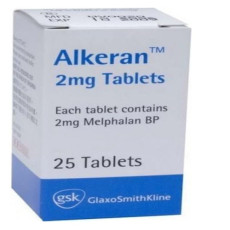
| Alkeran 2 mg compresse | 97.94 € |
| Ciclofosfamide | 0.00 € |
FAQ: Neuroblastoma nel 2026
-
Occorre una ricetta per comprare Neuroblastoma in farmacia?
-
Quali opzioni di pagamento sono accettate?
-
Qual è il prezzo di Neuroblastoma in Italia?
-
È possibile ordinare Neuroblastoma dalla vostra farmacia online?
-
Cosa devo sapere riguardo alla spedizione?
-
Neuroblastoma è un prodotto legale in Italia?
-
I prodotti più venduti in farmacia