


Medications for Neuropathy: An In-Depth Overview
Neuropathy, also known as peripheral nerve damage, is a condition that affects the nerves outside the brain and spinal cord. It can cause symptoms like pain, numbness, tingling, and weakness, significantly impacting daily life. Early diagnosis and appropriate medication can help manage symptoms effectively, improving quality of life. According to scientific studies, timely treatment can slow disease progression and reduce discomfort, making it essential for patients to seek medical advice promptly. Understanding available medications and their proper use is crucial for effective management of this complex condition.
What is Neuropathy?
Neuropathy involves damage to the peripheral nerves, which transmit signals between the brain, spinal cord, and the rest of the body. It can be either acute or chronic, with chronic forms often developing gradually over months or years. The condition frequently affects the legs and arms but can involve other parts of the body as well. Diagnosing neuropathy early is vital because it allows for interventions that can prevent further nerve damage and alleviate symptoms. Scientific research emphasizes that untreated neuropathy may lead to severe complications, including loss of mobility and increased risk of infections.
Definition and Main Characteristics of Neuropathy
Neuropathy is a disorder characterized by nerve damage caused by various factors such as diabetes, infections, or toxins. It typically presents with symptoms like burning pain, numbness, or muscle weakness, which can vary in intensity. The disease can be classified into different types based on the nerves affected: sensory, motor, or autonomic. Its progression depends on the underlying cause and the timeliness of treatment. Risk groups include individuals with diabetes, autoimmune diseases, or those exposed to neurotoxic substances. The disease often follows a progressive course if not managed properly, emphasizing the importance of early intervention.
| Type of Neuropathy | Characteristics | Common Causes |
|---|---|---|
| Sensory | Loss of sensation, tingling, burning | Diabetes, alcohol abuse |
| Motor | Muscle weakness, atrophy | Guillain-Barré syndrome, toxins |
| Autonomic | Blood pressure fluctuations, digestive issues | Diabetes, autoimmune diseases |
Symptoms of Neuropathy
Symptoms of neuropathy can vary widely depending on the nerves affected and the disease stage. Common signs include persistent burning, tingling, numbness, or sharp pains, often starting in the feet and hands. As the condition progresses, weakness and coordination problems may develop. Recognizing early symptoms is crucial because prompt treatment can prevent worsening and improve outcomes. Many patients report that symptoms worsen at night or with activity, which can interfere with sleep and daily functioning. Scientific evidence suggests that early intervention can significantly reduce nerve damage and improve quality of life.
How to Recognize Early Signs of Neuropathy
Early signs often include tingling or numbness in the extremities, especially in the feet or hands. These sensations may be intermittent initially but tend to become persistent over time. Some individuals experience a burning or stabbing pain that worsens at night. Distinguishing these symptoms from other conditions involves noting their gradual onset and specific localization. If these signs are ignored, they can progress to more severe weakness or loss of sensation, increasing the risk of injuries or infections. Being attentive to these early signals allows for timely medical evaluation and intervention.
| Symptom | Frequency | Severity | Notes |
|---|---|---|---|
| Tingling/Numbness | Common in early stages | Variable, often mild to moderate | Initial symptom, often bilateral |
| Pain (burning, stabbing) | Frequent in sensory neuropathy | Can be severe | Worsens at night |
| Weakness | Progressive | Variable | May lead to difficulty in movement |
Causes and Risk Factors of Neuropathy
Neuropathy can result from a variety of causes, including metabolic, infectious, genetic, and environmental factors. Diabetes mellitus remains the leading cause, accounting for a significant percentage of cases. Other causes include infections like Lyme disease, autoimmune conditions, exposure to toxins, and certain medications. Age is a risk factor, with older adults being more susceptible. Lifestyle factors such as alcohol consumption, smoking, and poor nutrition also contribute. Scientific studies highlight that multiple factors often coexist, increasing the risk of nerve damage. Recognizing these causes helps in implementing preventive strategies and tailoring treatments effectively.
Factors Contributing to Neuropathy Development
Internal factors such as genetic predisposition and metabolic disorders play a significant role. External influences include exposure to neurotoxic chemicals, infections, and lifestyle choices like alcohol abuse. Chronic illnesses, especially diabetes, create a hostile environment for nerve health. Stress and nutritional deficiencies, particularly of B vitamins, can accelerate nerve degeneration. Often, multiple factors act together, amplifying the risk. Understanding these contributors is essential for developing preventive measures and reducing the likelihood of nerve damage.
| Risk Factor | Description | Probability |
|---|---|---|
| Diabetes | High blood sugar damages nerves over time | Very high |
| Alcohol abuse | Toxic effects on nerve fibers | Moderate |
| Genetic predisposition | Inherited nerve disorders | Variable |
| Exposure to toxins | Heavy metals, chemicals | Lower but significant |
Types of Medications and Treatments
Managing neuropathy involves a combination of pharmacological and non-pharmacological approaches. The choice of medication depends on symptom severity, underlying cause, and patient-specific factors. Mild cases may benefit from over-the-counter options, while more severe or persistent symptoms often require prescription drugs. Always under medical supervision, treatment aims to relieve pain, improve nerve function, and address underlying causes. Scientific research supports a tailored approach, combining medications with lifestyle modifications for optimal results.
Medications for Neuropathy Treatment
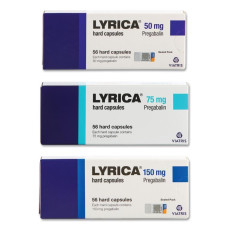
Various drug classes are used to alleviate neuropathic symptoms. Analgesics like acetaminophen may be used for mild pain, but often are insufficient alone. Anticonvulsants such as gabapentin and pregabalin are frequently prescribed to reduce nerve pain. Antidepressants, including amitriptyline and duloxetine, can also help manage chronic discomfort. In some cases, opioids are considered, but due to dependency risks, they are used cautiously. The selection depends on individual patient needs, side effect profiles, and underlying health conditions.
| Type of Drug | Example of Active Ingredient | Therapeutic Goal |
|---|---|---|
| Anticonvulsants | Gabapentin, Pregabalin | Reduce nerve pain |
| Antidepressants | Amitriptyline, Duloxetine | Alleviate chronic pain |
| Analgesics | Acetaminophen | Manage mild pain |
| Opioids | Tramadol, Morphine | Severe pain relief |
Natural Remedies for Neuropathy
Complementary approaches may help alleviate symptoms but should not replace medical treatment. Natural remedies such as capsaicin creams, omega-3 fatty acids, and certain herbal supplements like turmeric or evening primrose oil have shown some benefits in reducing nerve pain. Maintaining a balanced diet rich in vitamins, especially B vitamins, can support nerve health. Additionally, practices like acupuncture and massage may provide relief. Always consult a healthcare professional before starting any natural therapy to ensure safety and appropriateness.
Forms and Presentations: Tablets, Capsules, and More
Medications for neuropathy are available in various forms, including tablets, capsules, topical creams, and injections. Tablets and capsules are the most common, offering ease of use and convenient dosing. Topical formulations like gels or creams can target localized pain with minimal systemic effects. In some cases, injectable medications are used for rapid relief or in severe cases. Each form has specific advantages, such as quick absorption or targeted application, and the choice depends on the patient's condition and preferences.
Over-the-Counter (OTC) Medications
For mild symptoms, OTC options like nonsteroidal anti-inflammatory drugs (NSAIDs) or topical analgesics may provide temporary relief. These include products like ibuprofen or capsaicin patches. They are generally safe when used as directed but should not replace prescribed treatments for persistent or severe symptoms. If symptoms persist beyond a few days or worsen, consulting a healthcare professional is essential to prevent complications. OTC medications are best used as adjuncts under medical guidance.
Diagnosis and When to See a Doctor
Accurate diagnosis of neuropathy involves a detailed medical history, physical examination, and specialized tests. Doctors may perform nerve conduction studies, electromyography, or blood tests to identify underlying causes. Self-diagnosis is discouraged because symptoms can mimic other conditions. Early consultation with a healthcare professional ensures appropriate management and prevents progression. Regular check-ups are vital, especially for high-risk groups, to monitor nerve health and adjust treatments as needed.
Diagnostic Tests and Methods
Diagnosis typically involves nerve conduction velocity tests, which measure how quickly electrical signals travel through nerves. Electromyography assesses muscle response to nerve stimulation, helping localize nerve damage. Blood tests can identify metabolic or infectious causes, such as diabetes or vitamin deficiencies. Imaging studies like MRI may be used to rule out structural issues. Combining these methods provides a comprehensive understanding of nerve function and guides targeted therapy.
| Test Type | Purpose | Diagnostic Value |
|---|---|---|
| Nerve conduction studies | Measure nerve signal speed | Detects nerve damage |
| Electromyography | Assesses muscle response | Localizes nerve injury |
| Blood tests | Identify underlying causes | Detects metabolic or infectious issues |
| Imaging (MRI) | Visualize nerve pathways | Rules out structural problems |
Signs That Require Urgent Medical Attention
Immediate medical care is necessary if symptoms include sudden weakness, loss of coordination, severe pain, or signs of infection such as fever or redness. Other emergencies include sudden changes in bladder or bowel control, or signs of nerve compression like paralysis. Prompt intervention can prevent permanent damage or life-threatening complications. Ignoring these warning signs may lead to irreversible nerve injury or systemic health issues, emphasizing the importance of swift medical evaluation.
Precautions and Side Effects
While many medications for neuropathy are generally safe when used correctly, they can cause side effects. Common adverse reactions include nausea, dizziness, fatigue, or skin irritation, depending on the drug. Serious reactions like allergic responses or liver problems are rare but require immediate attention. Following prescribed dosages and reporting any unusual symptoms to a healthcare provider minimizes risks. Special caution is advised for vulnerable groups such as children, pregnant women, the elderly, or those with chronic illnesses, who may need tailored treatment plans.
Most Common Side Effects
| Effect | Frequency | Severity | Recommendations |
|---|---|---|---|
| Nausea, dizziness | Common | Mild to moderate | Monitor and report persistent symptoms |
| Allergic reactions | Rare | Severe | Seek immediate medical help |
| Liver enzyme elevation | Uncommon | Potentially serious | Regular liver function tests |
Safe Medication Use Tips
- Always follow the prescribed dosage and schedule.
- Avoid alcohol and certain foods that may interact with medications.
- Store medicines in a cool, dry place, away from children.
- Attend regular medical check-ups to monitor treatment effects.
- Report any side effects or unusual symptoms promptly.
Prevention and Daily Care
Preventive measures and lifestyle adjustments play a key role in managing and reducing neuropathy risk. Regular medical check-ups, maintaining blood sugar levels, and adopting a healthy diet can help prevent nerve damage. Physical activity, proper foot care, and avoiding toxins are also important. Early recognition of symptoms allows for prompt intervention, which can halt or slow disease progression. Tailoring prevention strategies to individual health status enhances their effectiveness and supports overall well-being.
Recommended Habits to Reduce Neuropathy Risk
Adopting a balanced diet rich in vitamins, especially B vitamins, supports nerve health. Regular exercise improves circulation and reduces risk factors like obesity and diabetes. Avoiding smoking and excessive alcohol consumption minimizes nerve toxicity. Wearing comfortable footwear and practicing good hygiene prevent injuries and infections. Managing stress through relaxation techniques can also benefit nerve function. These simple lifestyle changes collectively contribute to lower neuropathy incidence and better nerve resilience.
| Area of Prevention | Recommended Measures | Main Benefit |
|---|---|---|
| Diet | Increase intake of B vitamins, antioxidants | Supports nerve repair and reduces oxidative stress |
| Exercise | Regular aerobic activity | Improves circulation and nerve health |
| Hygiene & Foot Care | Daily inspection, proper footwear | Prevents injuries and infections |
| Stress Management | Meditation, relaxation techniques | Reduces nerve strain and inflammation |
Secondary Preventive Measures
Secondary prevention includes routine screenings, vaccinations, and nutritional supplementation. Regular check-ups help detect early nerve changes, allowing for timely intervention. Vaccinations against infections like hepatitis B or influenza can prevent illnesses that may trigger neuropathy. Supplementing with vitamins, especially B12, can correct deficiencies contributing to nerve damage. Following medical advice and adhering to treatment plans are essential for long-term nerve health and overall quality of life.
Prognosis and Recovery
The outlook for patients with neuropathy varies depending on the cause, severity, and timeliness of treatment. Many individuals experience significant symptom relief with proper management, especially when diagnosed early. Scientific evidence indicates that with consistent therapy and lifestyle adjustments, a majority of patients can achieve stabilization or improvement. Ongoing monitoring and adherence to medical recommendations are vital for optimal outcomes. While some forms of neuropathy may be reversible, others require long-term management to control symptoms and prevent complications.
Typical Recovery Time
The recovery period depends on the extent of nerve damage. Mild cases may resolve within days to weeks with appropriate treatment, while severe or chronic neuropathies can take months or require ongoing therapy. For example, nerve regeneration in peripheral neuropathy often occurs slowly, at a rate of about 1-2 millimeters per day. In cases of longstanding or irreversible damage, symptom management becomes the primary goal, and continuous care is necessary. Regular follow-up helps assess progress and adjust treatments accordingly.
| Case Type | Average Recovery Time | Comments |
|---|---|---|
| Mild neuropathy | Few days to weeks | Often reversible with treatment |
| Moderate to severe | Several months | May require ongoing management |
| Chronic or irreversible | Long-term | Focus on symptom control and quality of life |
Factors Enhancing Prognosis
- Early diagnosis and prompt treatment initiation
- Adherence to prescribed therapies
- Effective management of underlying conditions like diabetes
- Healthy lifestyle choices, including diet and exercise
- Regular medical follow-up and monitoring
Lifestyle Changes for Better Outcomes
Implementing healthy habits can significantly improve recovery prospects. Patients are encouraged to maintain a balanced diet, stay physically active, and avoid harmful substances. Managing stress and ensuring adequate rest support nerve regeneration. Consistent medication adherence and routine health checks are essential. These measures not only facilitate healing but also help prevent recurrence or worsening of neuropathy.
Potential Complications
If left untreated or poorly managed, neuropathy can lead to serious complications. These include persistent pain, muscle weakness, loss of sensation, and increased risk of injuries or infections. Severe cases may result in nerve damage that is irreversible, leading to disability. Additionally, autonomic neuropathy can cause blood pressure instability, digestive issues, or heart problems. Preventing these outcomes depends on early diagnosis, effective treatment, and active patient participation. Regular follow-up and lifestyle modifications are key to minimizing long-term risks.
| Complication | Frequency | Severity | Prevention |
|---|---|---|---|
| Chronic pain | Common in untreated cases | Moderate to severe | Timely medication and lifestyle management |
| Infections due to loss of sensation | High in foot neuropathy | Serious, risk of ulcers | Proper foot care and regular checks |
| Muscle atrophy and weakness | Progressive if untreated | Severe, possible disability | Physical therapy and medication |
| Autonomic dysfunction | Variable | Potentially life-threatening | Monitoring and managing underlying causes |
With appropriate treatment and consistent care, most patients with neuropathy can achieve satisfactory recovery and avoid long-term complications. Scientific evidence underscores that proactive management and lifestyle adjustments are fundamental to improving prognosis and maintaining quality of life.
Where to Buy Medications for Neuropathy
Medications for neuropathy are widely available both in physical pharmacies and online stores. It is essential to verify the legitimacy and quality of the pharmacy to avoid counterfeit products. Always check for proper licensing, authentic packaging, and expiration dates. Purchasing from reputable sources ensures safety and efficacy, reducing the risk of adverse effects. Our online pharmacy offers a wide selection of approved medications, with secure ordering processes and guaranteed authenticity.
Safe Shopping in Our Online Pharmacy
Shopping at our authorized online pharmacy provides numerous advantages, including professional consultation, guaranteed product quality, and secure payment options. We ensure all medicines are genuine and stored under optimal conditions. Before purchasing, verify the pharmacy’s license, check product packaging, and confirm expiration dates. Our customer service is available to answer questions and assist with prescriptions or alternative options. Always follow the instructions provided and consult our pharmacists for personalized advice.
Can You Purchase Neuropathy Medications Online Without a Prescription?
Yes, in Italy, all medications for neuropathy can be purchased online without a prescription through our licensed pharmacy. This allows for convenient access to essential treatments while maintaining safety standards. However, it remains important to consult a healthcare professional for proper diagnosis and personalized therapy. When buying online, ensure that the platform is authorized, and verify product authenticity. Always adhere to recommended dosages and report any adverse reactions to your doctor. Our pharmacy guarantees compliance with legal regulations and offers comprehensive support for safe medication use.
Shipping Options and Quality Assurance
We offer multiple shipping methods, including standard, express, and international delivery, to suit your needs. Each shipment is carefully tracked, with batch numbers and temperature controls to preserve medication integrity. Our packaging ensures discretion and protection against damage. We implement strict quality control measures, including temperature monitoring and tamper-evident packaging, to guarantee product safety. Customers can track their orders in real-time and receive updates throughout the delivery process, ensuring peace of mind and reliable service.
Pricing, Availability, and Discounts in Italy
The cost of neuropathy medications in Italy varies based on factors such as brand versus generic, dosage, form (tablets, capsules, liquids), and whether a prescription is required. Regional differences and pharmacy channels also influence prices. Availability may fluctuate depending on demand, seasonality, or stock levels, with some formulations only obtainable upon request. Many pharmacies offer discounts, coupons, and loyalty programs, making treatments more affordable. Patients are encouraged to compare prices across different providers, inquire about generic options, and ask pharmacists about ongoing promotions. Planning ahead can help ensure access to the necessary medications at the best possible price, supporting consistent treatment adherence and better health outcomes.
| Prodotti in farmacia | Prezzo |
|---|---|
| Lyrica 75/150/300mg capsule | 56.84 € |
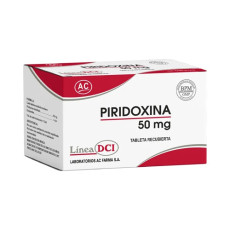
| Piridossina | 0.00 € |
FAQ: Neuropatie nel 2026
-
Occorre una ricetta per comprare Neuropatie in farmacia?
-
Quali opzioni di pagamento sono accettate?
-
Qual è il prezzo di Neuropatie in Italia?
-
È possibile ordinare Neuropatie dalla vostra farmacia online?
-
Cosa devo sapere riguardo alla spedizione?
-
Neuropatie è un prodotto legale in Italia?
-
I prodotti più venduti in farmacia