


Medications for Lung Conditions
Managing lung conditions effectively often requires a combination of proper diagnosis and appropriate medication. Lung diseases can range from acute infections to chronic illnesses that impact breathing and overall health. Timely treatment not only alleviates symptoms but also prevents complications and improves quality of life. Modern pharmacology offers a variety of drugs tailored to different lung conditions, helping patients breathe easier and maintain daily activities. Understanding the available medications, their uses, and precautions is essential for safe and effective management of lung health.
What is Lung Disease?
Lung disease refers to a broad spectrum of conditions that affect the lungs' ability to function properly. These diseases can be acute, such as bronchitis or pneumonia, or chronic, like asthma, COPD, or pulmonary fibrosis. They often involve inflammation, airway obstruction, or tissue damage, leading to symptoms like cough, shortness of breath, and fatigue. Early diagnosis and treatment are crucial because they can slow disease progression and reduce the risk of severe complications. The prevalence of lung diseases has increased globally, partly due to environmental factors and lifestyle choices, making effective management vital for maintaining health and well-being.
Definition and Main Characteristics of Lung Disease
Lung disease encompasses conditions that impair the respiratory system's ability to facilitate gas exchange. Causes include infections, environmental pollutants, genetic predispositions, and lifestyle factors such as smoking. The progression varies: some diseases develop rapidly, requiring urgent intervention, while others are long-term, necessitating ongoing management. Key features include airflow limitation, inflammation, and tissue scarring, which can lead to reduced oxygen intake. Risk groups include smokers, the elderly, individuals exposed to occupational hazards, and those with genetic susceptibilities. The severity ranges from mild discomfort to life-threatening emergencies, emphasizing the importance of tailored treatment plans.
Symptoms of Lung Disease
Symptoms of lung disease often manifest as persistent cough, shortness of breath, wheezing, chest tightness, and fatigue. These signs can vary depending on the specific condition and its stage. Early symptoms may be subtle, such as mild cough or slight breathlessness, but they tend to worsen over time if untreated. Recognizing these early signals allows for prompt medical evaluation and intervention, which can significantly improve outcomes. Patients may also experience recurrent respiratory infections or a change in mucus production, indicating the need for medical assessment. Understanding these symptoms helps individuals seek timely care and avoid complications.
How to Recognize Early Signs of Lung Disease
In the initial stages, common signs include a persistent cough, mild shortness of breath during exertion, and occasional wheezing. These symptoms are often mistaken for common colds or allergies but should not be ignored if they persist beyond a few weeks. Early detection is facilitated by noting symptom frequency, severity, and any worsening over time. For example, a cough that produces colored mucus or increasing breathlessness warrants medical attention. Recognizing these early signals can lead to earlier diagnosis and more effective treatment, reducing the risk of progression to severe disease.
Causes and Risk Factors of Lung Disease
Multiple factors contribute to the development of lung diseases, including infections, environmental exposures, genetic predispositions, and lifestyle habits. Infections like influenza or pneumonia can cause acute lung damage, while long-term exposure to pollutants, such as cigarette smoke or industrial fumes, increases chronic disease risk. Age and genetic factors also play a role, with older adults and those with family histories being more vulnerable. Additionally, unhealthy lifestyles, such as smoking or poor diet, can accelerate disease onset and progression. Recognizing these risk factors helps in adopting preventive measures and early interventions.
Factors Contributing to Lung Disease
- Infections: Viral and bacterial pathogens can cause acute inflammation and damage.
- Environmental Exposure: Air pollution, tobacco smoke, and occupational hazards increase risk.
- Genetics: Certain inherited conditions predispose individuals to lung problems.
- Lifestyle: Smoking, poor nutrition, and sedentary habits contribute to disease development.
- Age: Older populations are more susceptible due to decreased lung elasticity and immune function.
| Risk Factor | Description | Probability |
|---|---|---|
| Smoking | Major cause of COPD, lung cancer, and other respiratory diseases. | High |
| Occupational Hazards | Exposure to dust, chemicals, and fumes increases risk. | Moderate |
| Genetic Factors | Inherited conditions like alpha-1 antitrypsin deficiency. | Variable |
Types of Medications and Treatments
The treatment of lung diseases depends on the specific condition and its severity. Mild cases may be managed with over-the-counter remedies, but more serious illnesses require prescription medications. The goal is to reduce inflammation, open airways, fight infections, and prevent further lung damage. Treatment plans are personalized, considering age, overall health, and disease progression. Always consult a healthcare professional before starting or changing any medication regimen to ensure safety and effectiveness.
Medications for Lung Disease
| Type of Medication | Example of Active Ingredient | Therapeutic Purpose |
|---|---|---|
| Bronchodilators | Salbutamol, Formoterol | Relieve airway constriction and ease breathing |
| Anti-inflammatory Drugs | Inhaled corticosteroids like Fluticasone | Reduce airway inflammation and prevent exacerbations |
| Antibiotics | Amoxicillin, Azithromycin | Treat bacterial lung infections |
| Antiviral Agents | Oseltamivir | Manage viral respiratory infections |
Natural Remedies for Lung Conditions
Complementary approaches such as herbal teas, steam inhalation, and breathing exercises may help alleviate symptoms like congestion and improve lung function. Maintaining a healthy diet rich in antioxidants, staying well-hydrated, and avoiding irritants are also beneficial. However, these natural remedies should be used alongside prescribed treatments and under medical supervision. They are not substitutes for medical therapy but can support overall respiratory health and comfort.
Forms and Presentations: Tablets, Capsules, Liquids
Medications for lung conditions are available in various forms, including tablets, capsules, syrups, inhalers, and injections. Tablets and capsules are convenient for daily use and provide controlled dosing. Liquids like syrups are often preferred for children or those with swallowing difficulties. Inhalers deliver medication directly to the lungs for rapid relief, while injections are used in severe cases or hospital settings. Each form offers specific advantages, such as ease of use or quick action, tailored to patient needs.
Over-the-Counter (OTC) Medications
For mild symptoms such as occasional cough or minor congestion, OTC medications like decongestants, cough suppressants, and antihistamines can provide relief. These should be used cautiously and only for short periods. If symptoms persist beyond a few days or worsen, consulting a healthcare professional is essential. OTC drugs are not suitable for treating serious lung conditions and should not replace prescribed therapies.
Diagnosis and When to See a Doctor
Proper diagnosis involves a thorough medical history, physical examination, and diagnostic tests. Healthcare providers may perform lung function tests, chest X-rays, or blood analyses to identify the specific condition. Self-medication is discouraged because misdiagnosis can lead to ineffective or harmful treatments. Early consultation with a specialist ensures accurate diagnosis and appropriate therapy, which can prevent disease progression and complications.
Diagnostic Tests and Methods for Lung Disease
| Type of Test | Purpose | Diagnostic Value |
|---|---|---|
| Spirometry | Measure lung function and airflow obstruction | High; essential for COPD and asthma diagnosis |
| Chest X-ray | Visualize lung tissue and detect infections or tumors | Moderate; helps identify structural abnormalities |
| Blood Tests | Detect infections, inflammation, or blood oxygen levels | Variable; supports diagnosis and monitoring |
Signs That Require Urgent Medical Attention
If you experience severe shortness of breath, chest pain, sudden weakness, confusion, or bluish discoloration of lips or face, seek emergency medical care immediately. These symptoms may indicate life-threatening conditions such as a severe asthma attack, pulmonary embolism, or respiratory failure. Prompt intervention can be lifesaving and prevent long-term damage. Do not delay seeking help if such critical signs appear.
Precautions and Side Effects
While many lung medications are safe when used correctly, they can cause side effects, especially if misused. Common adverse reactions include nausea, headache, throat irritation, or tremors. Serious effects like allergic reactions, liver problems, or heart issues are rare but require immediate medical attention. Following prescribed dosages, avoiding interactions with alcohol or other drugs, and regular monitoring can minimize risks. Particular caution is advised for vulnerable groups such as children, pregnant women, and the elderly, who may need tailored treatment plans.
Most Common Side Effects
| Type of Effect | Frequency | Severity | Recommendation |
|---|---|---|---|
| Nausea, headache | Common | Mild | Monitor and report if persistent |
| Allergic reactions | Rare | Severe | Seek immediate medical help |
| Liver or heart issues | Very rare | Serious | Regular check-ups recommended |
Safe Medication Use Tips
- Always follow the prescribed dosage and schedule.
- Avoid mixing medications with alcohol unless approved by your doctor.
- Store medicines in a cool, dry place away from children.
- Report any side effects or unusual symptoms promptly.
- Attend regular follow-up appointments for monitoring.
Prevention and Daily Care
Preventive measures and healthy daily habits are key to managing lung health and reducing disease risk. Regular medical check-ups, avoiding tobacco, and minimizing exposure to pollutants can significantly lower the chances of developing lung problems. Adopting a balanced diet, engaging in moderate exercise, and practicing good hygiene support respiratory function. Early recognition of symptoms and prompt medical consultation can prevent disease progression and improve long-term outcomes. Tailoring prevention strategies to individual risk factors enhances their effectiveness.
Recommended Habits to Reduce Lung Disease Risk
Maintaining a smoke-free environment, wearing protective gear in hazardous workplaces, and avoiding indoor pollutants like mold or dust are essential. Incorporating physical activity improves lung capacity and overall health. Proper hand hygiene and vaccination against respiratory infections, such as influenza and pneumococcus, further protect lung health. Additionally, managing stress and ensuring adequate rest help strengthen immune defenses against respiratory illnesses.
| Prevention Area | Recommended Measures | Main Benefit |
|---|---|---|
| Environmental Control | Avoid smoking, reduce exposure to pollutants | Lower risk of chronic lung disease |
| Healthy Lifestyle | Regular exercise, balanced diet | Enhanced lung capacity and immunity |
| Vaccination | Annual flu shot, pneumococcal vaccine | Prevents respiratory infections |
Secondary Preventive Measures
Routine screenings, adherence to prescribed therapies, and vaccinations are vital in secondary prevention. Regular check-ups allow early detection of lung issues, while vaccinations reduce the risk of infections that can worsen existing conditions. Supplementing with vitamins or other supplements may support lung health, but always under medical advice. Following medical recommendations ensures optimal disease management and minimizes the risk of complications.
Prognosis and Recovery
The outlook for individuals with lung disease varies based on the specific condition, its severity, and how early treatment begins. With appropriate therapy and lifestyle adjustments, many patients experience significant symptom relief and improved quality of life. Early diagnosis and consistent management are crucial for better outcomes. Patients who adhere to treatment plans and avoid risk factors tend to recover faster and have fewer long-term issues. Ongoing medical supervision helps monitor progress and adapt treatments as needed.
Typical Recovery Time
The recovery period depends on the disease's severity and response to treatment. Mild cases, such as minor bronchitis, often resolve within a few days to weeks. More severe or chronic conditions, like COPD or pulmonary fibrosis, may require months of ongoing therapy and lifestyle changes. In some cases, especially with chronic diseases, continuous monitoring and management are necessary to prevent deterioration. Early intervention generally leads to faster recovery and better long-term health.
| Type of Case | Average Recovery Time | Comments |
|---|---|---|
| Acute bronchitis | 1-3 weeks | Complete recovery common with proper care |
| Chronic COPD | Ongoing management, variable | Progressive; requires continuous treatment |
Factors Enhancing Prognosis
- Early diagnosis and prompt treatment initiation
- Adherence to prescribed therapies
- Healthy lifestyle choices, including smoking cessation
- Regular medical follow-up and monitoring
- Vaccination against respiratory infections
Lifestyle Changes for Better Outcomes
Adopting healthy habits such as quitting smoking, maintaining a balanced diet, exercising regularly, and avoiding environmental pollutants can significantly improve recovery prospects. Managing stress and ensuring adequate rest support immune function and lung repair. Patients should also follow medical advice regarding medication use and participate in pulmonary rehabilitation programs if recommended. These lifestyle modifications contribute to better disease control and enhance overall well-being.
Potential Complications
If lung conditions are left untreated or poorly managed, they can lead to serious complications such as respiratory failure, lung infections, pulmonary hypertension, or even heart problems. Chronic inflammation may cause irreversible lung damage, reducing oxygen exchange and leading to disability. Preventing these outcomes depends on timely medical intervention, adherence to treatment, and lifestyle adjustments. Recognizing warning signs early and seeking prompt care are essential to avoid long-term health impacts.
| Complication | Frequency | Severity | Prevention |
|---|---|---|---|
| Respiratory failure | Rare with proper management | Severe | Adherence to treatment, early intervention |
| Chronic hypoxia | Common in advanced cases | Serious | Regular monitoring, oxygen therapy if needed |
With appropriate treatment and active management, most patients with lung conditions can achieve satisfactory recovery and avoid long-term complications, maintaining a good quality of life.
Where to Purchase Lung Medications
Medications for lung conditions are available both in physical pharmacies and online stores. It is important to verify the licensing and reputation of the pharmacy to ensure the authenticity and quality of the medicines. Avoiding counterfeit products is crucial for safety and effectiveness. Our online pharmacy offers a wide selection of approved medications, with secure purchasing options and reliable delivery services across Italy.
Secure Online Pharmacy Shopping
Buying from our authorized online pharmacy provides several advantages, including professional consultation, guaranteed product authenticity, and easy access to a broad range of medications. Always check for proper licensing, examine packaging for tampering, and verify expiration dates before purchase. Customer support is available to answer questions and assist with prescriptions or product information. Ensuring these precautions helps protect your health and guarantees a safe shopping experience.
Can You Buy Lung Medications Online Without a Prescription?
All medications for lung conditions can be purchased online without a prescription through our licensed pharmacy in Italy. This allows for convenient access to essential drugs, especially for chronic management or minor symptoms. However, it is important to consult a healthcare professional for proper diagnosis and treatment planning. When buying online, ensure the platform is reputable, check product authenticity, and follow the recommended dosages. Self-medicating without proper guidance can be risky, so professional advice remains essential for optimal health outcomes.
Shipping Options and Quality Assurance
Our pharmacy offers various shipping methods, including standard, express, and international delivery, to meet different needs. Each shipment is carefully tracked, with measures in place to ensure product integrity, such as temperature control and secure packaging. We maintain strict quality controls, including batch traceability and compliance with safety standards, to guarantee that your medications arrive in optimal condition. Customers can track their orders and verify the authenticity of their products at every stage, ensuring a reliable and safe purchase experience.
Pricing, Availability, and Discounts in Italy
The cost of lung medications in Italy varies based on factors such as brand name or generic, dosage, form (tablets, liquids, inhalers), and whether a prescription is required. Availability can fluctuate depending on regional supply, seasonal demand, and specific formulations. Many pharmacies offer discounts, promotional deals, and loyalty programs that can make treatments more affordable. Patients are encouraged to compare prices across different providers, inquire about generic alternatives, and ask pharmacists about ongoing promotions. Planning ahead and seeking advice can help optimize treatment affordability and ensure access to the necessary medications.
| Prodotti in farmacia | Prezzo |
|---|---|
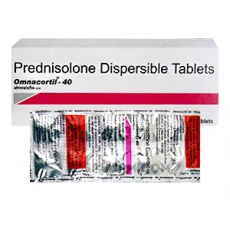
| Omnacortil 40 mg compresse | 78.71 € |
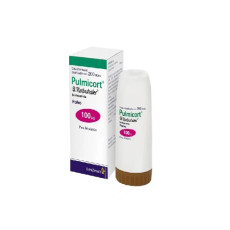
| Inalatore Pulmicort Inalatore 100mcg | 88.33 € |
FAQ: Polmoni nel 2026
-
Occorre una ricetta per comprare Polmoni in farmacia?
-
Quali opzioni di pagamento sono accettate?
-
Qual è il prezzo di Polmoni in Italia?
-
È possibile ordinare Polmoni dalla vostra farmacia online?
-
Cosa devo sapere riguardo alla spedizione?
-
Polmoni è un prodotto legale in Italia?
-
I prodotti più venduti in farmacia