



Medications for Sciatica
Sciatica is a common condition characterized by pain that radiates along the sciatic nerve, which runs from the lower back through the hips and down each leg. Effective management often requires a combination of therapies, including medications, to relieve pain, reduce inflammation, and improve mobility. Prompt diagnosis and appropriate pharmacological treatment can significantly control symptoms, prevent complications, and enhance quality of life. Understanding the available medications and their proper use helps patients make informed decisions in collaboration with healthcare providers.
What is Sciatica?
Sciatica refers to pain resulting from irritation or compression of the sciatic nerve, the longest nerve in the body. It typically manifests as sharp, shooting pain that starts in the lower back or buttocks and extends down one leg. Sciatica can be acute, lasting a few days or weeks, or chronic if symptoms persist beyond three months. Early diagnosis is crucial because it allows for targeted treatment, reducing the risk of nerve damage and improving recovery prospects. The condition is quite prevalent, especially among adults aged 30 to 50, and can significantly impair daily activities if left untreated.
Definition and Main Characteristics of Sciatica
Sciatica is a symptom rather than a disease itself, caused by underlying issues such as herniated discs, spinal stenosis, or degenerative disc disease. It is characterized by radiating pain, numbness, tingling, or weakness along the nerve pathway. The progression can vary from mild discomfort to severe pain that limits movement. Risk groups include individuals with sedentary lifestyles, those with previous spinal injuries, or older adults experiencing degenerative changes. The condition often follows a pattern of flare-ups and remissions, emphasizing the importance of early intervention.
Symptoms of Sciatica
The hallmark of sciatica is pain that radiates from the lower back or buttocks down one leg, often accompanied by numbness or tingling sensations. Symptoms can worsen with movement, coughing, or prolonged sitting. Some patients also experience muscle weakness or difficulty controlling bladder or bowel functions in severe cases. Recognizing these signs early helps initiate treatment promptly, potentially preventing worsening of nerve damage. The severity of symptoms can fluctuate, with some experiencing mild discomfort and others enduring debilitating pain that hampers daily life.
How to Recognize the First Signs of Sciatica
Initial symptoms often include a sharp or burning pain in the lower back or buttocks that radiates down the leg. Many describe a sensation of numbness or tingling in the affected limb. These signs are frequently mistaken for muscle strain or other minor issues but should prompt medical attention if persistent. Early symptoms may also include muscle weakness or difficulty moving the leg. Differentiating sciatica from other conditions like muscle strain or hip problems is essential for appropriate treatment. Prompt recognition allows for interventions that can reduce pain and prevent chronicity.
Causes and Risk Factors of Sciatica
The primary causes of sciatica include herniated discs, spinal stenosis, and degenerative disc disease, which lead to nerve compression. Other factors such as trauma, tumors, or infections can also irritate the nerve. Lifestyle habits like prolonged sitting, poor posture, or lack of physical activity increase risk. Age-related degenerative changes in the spine are common contributors, especially after 40. Additionally, genetic predispositions may influence susceptibility. Recognizing these causes helps in adopting preventive measures and tailoring treatment strategies effectively.
Factors Contributing to Sciatica
- Herniated or bulging discs: Mechanical compression of the nerve roots.
- Spinal stenosis: Narrowing of the spinal canal causing nerve impingement.
- Trauma or injury: Fractures or muscle strains affecting nerve pathways.
- Obesity: Increased pressure on the spine and nerve roots.
- Lifestyle factors: Sedentary habits, poor ergonomics, and repetitive movements.
Understanding these factors is crucial for implementing preventive strategies, reducing the risk of developing sciatica, and managing existing symptoms more effectively.
Types of Medications and Treatments
The treatment of sciatica often involves medications tailored to the severity and underlying cause of symptoms. Mild cases may respond well to over-the-counter options, while more severe or persistent pain might require stronger drugs or combination therapies. Always consult a healthcare professional before starting any medication, as proper diagnosis and personalized treatment plans are essential for safety and effectiveness. Combining pharmacological therapy with physical therapy and lifestyle modifications can optimize recovery outcomes.
Medications for Sciatica
| Type of Medication | Example of Active Ingredient | Therapeutic Purpose |
|---|---|---|
| Nonsteroidal Anti-Inflammatory Drugs (NSAIDs) | Ibuprofen, Naproxen | Reduce inflammation and relieve pain |
| Analgesics | Acetaminophen | Alleviate mild to moderate pain |
| Muscle Relaxants | Cyclobenzaprine, Methocarbamol | Relieve muscle spasms associated with nerve compression |
| Corticosteroids | Prednisone | Reduce severe inflammation, often used short-term |
| Anticonvulsants | Gabapentin, Pregabalin | Manage nerve pain and neuropathic symptoms |
| Antidepressants | Amitriptyline | Alleviate chronic nerve pain |
Naturally Based Remedies for Sciatica
Complementary approaches such as physical therapy, acupuncture, and herbal supplements may help alleviate symptoms. Applying heat or cold packs can reduce inflammation and muscle tension. Gentle stretching and low-impact exercises can improve flexibility and support nerve health. Some patients find relief with herbal remedies like turmeric or omega-3 fatty acids, but these should always be used under medical supervision. Remember, these natural methods are meant to complement, not replace, prescribed treatments, and their effectiveness varies among individuals.
Forms and Presentations: Tablets, Capsules, Topicals
Medications for sciatica are available in various forms, including tablets, capsules, topical creams, and injections. Tablets and capsules are the most common, offering convenient oral administration with rapid absorption. Topical formulations like gels or patches provide localized relief with minimal systemic effects. In some cases, injections may be used for targeted anti-inflammatory effects, especially in severe cases. The choice of form depends on symptom severity, patient preference, and medical advice, aiming to optimize efficacy and compliance.
Over-the-Counter (OTC) Medications
For mild symptoms, OTC medications such as NSAIDs (e.g., ibuprofen, naproxen) and acetaminophen can provide relief. These drugs are generally safe when used as directed but should be avoided in cases of allergies, gastrointestinal issues, or liver problems. It is important to monitor dosage and duration of use, as prolonged or excessive intake can lead to adverse effects. If symptoms persist beyond a few days or worsen, consulting a healthcare professional is essential to prevent complications and consider prescription options.
Diagnosis and When to See a Doctor
Accurate diagnosis of sciatica involves a thorough medical history, physical examination, and sometimes imaging studies. Healthcare providers assess neurological function, reflexes, and muscle strength to determine the cause and severity. Self-diagnosis is discouraged because other conditions can mimic sciatica symptoms. Early consultation with a healthcare professional ensures appropriate treatment, reduces the risk of nerve damage, and improves recovery chances. Regular follow-up is important to monitor progress and adjust therapy as needed.
Diagnostic Tests and Methods for Sciatica
| Test or Method | Purpose | Diagnostic Value |
|---|---|---|
| Physical Examination | Assess reflexes, muscle strength, and sensory function | Initial assessment of nerve involvement |
| Magnetic Resonance Imaging (MRI) | Visualize spinal discs, nerves, and surrounding tissues | Identifies herniated discs or spinal stenosis |
| Computed Tomography (CT) Scan | Detailed imaging of bone and soft tissues | Useful when MRI is contraindicated |
| Electromyography (EMG) | Measure electrical activity of muscles | Detects nerve damage or compression |
Signs That Require Urgent Medical Attention
If you experience sudden weakness, loss of bladder or bowel control, severe or worsening pain, or numbness in the groin area, seek immediate medical care. These symptoms may indicate nerve compression or cauda equina syndrome, which require urgent intervention to prevent permanent damage. Delaying treatment in such cases can lead to serious complications, including paralysis or loss of function. Recognizing these warning signs early is vital for prompt management and better outcomes.
Precautions and Side Effects
While many medications used for sciatica are generally safe when used appropriately, they can cause side effects. Common adverse reactions include gastrointestinal discomfort, drowsiness, or allergic reactions. Overuse or incorrect dosing increases the risk of serious complications such as liver damage or cardiovascular issues. Following the prescribed dosage, avoiding alcohol, and informing your doctor of existing health conditions help minimize risks. Special caution is advised for vulnerable groups like children, pregnant women, the elderly, or those with chronic illnesses, who may require tailored treatment plans.
Most Common Side Effects
| Type of Effect | Frequency | Severity | Recommendations |
|---|---|---|---|
| Nausea, stomach upset | Common | Mild | Take with food, monitor symptoms |
| Drowsiness, fatigue | Common with muscle relaxants | Mild to moderate | Avoid driving or operating machinery |
| Allergic reactions | Rare | Severe | Seek immediate medical attention |
| Liver or kidney issues (with long-term NSAID use) | Less common | Serious | Regular monitoring, use at lowest effective dose |
Safe Medication Use Tips
- Always follow the prescribed dosage and schedule.
- Avoid alcohol and other CNS depressants unless approved by your doctor.
- Store medications in a cool, dry place, out of reach of children.
- Report any unusual or severe side effects promptly.
- Attend regular medical check-ups to monitor treatment effects.
Prevention and Daily Care
Preventive measures and daily habits play a key role in managing and reducing the risk of sciatica. Maintaining good posture, engaging in regular exercise, and avoiding prolonged sitting can help keep the spine healthy. Routine medical check-ups enable early detection of degenerative changes or other issues. Adopting a healthy weight and practicing proper lifting techniques also contribute to spinal health. Early intervention at the first signs of discomfort can prevent progression to more severe nerve compression.
Recommended Habits to Reduce Sciatica Risk
Incorporate physical activity such as stretching, walking, or swimming into your routine. Maintain ergonomic workstations to support proper posture. Follow a balanced diet rich in anti-inflammatory foods like fruits, vegetables, and omega-3 fatty acids. Avoid smoking, which can impair blood flow and delay healing. Ensure adequate rest and manage stress effectively to support overall spinal health.
| Area of Prevention | Recommended Measures | Main Benefit |
|---|---|---|
| Physical Activity | Regular low-impact exercises | Strengthens back muscles and improves flexibility |
| Posture and Ergonomics | Proper sitting and lifting techniques | Reduces spinal strain and nerve compression |
| Diet and Lifestyle | Anti-inflammatory diet, smoking cessation | Supports nerve health and reduces inflammation |
Secondary Preventive Measures
Routine medical check-ups, vaccinations (if applicable), and nutritional supplementation can help prevent exacerbations. Following medical advice on activity levels and medication use ensures better control of symptoms. Preventive pharmacological treatments, such as vitamin D or B12 supplementation, may be recommended in certain cases. Adherence to these measures not only reduces the risk of sciatica recurrence but also promotes overall well-being and long-term health.
Prognosis and Recovery
The outlook for individuals with sciatica depends on the underlying cause, the severity of nerve compression, and how quickly treatment is initiated. Most patients experience significant improvement with appropriate therapy, and many recover fully. Early diagnosis and adherence to treatment plans increase the likelihood of a positive outcome. Lifestyle modifications and ongoing physical activity support long-term recovery and prevent recurrences. In some cases, especially with chronic or severe nerve damage, ongoing management may be necessary to control symptoms.
Typical Recovery Time
| Case Type | Average Recovery Time | Comments |
|---|---|---|
| Mild Sciatica | Few days to a few weeks | Symptoms often resolve with conservative treatment |
| Moderate to Severe Cases | Several weeks to months | May require physical therapy or surgical intervention |
| Chronic Sciatica | Ongoing management, variable duration | Requires continuous care and lifestyle adjustments |
Factors Enhancing Prognosis
- Early diagnosis and prompt treatment initiation
- Adherence to prescribed therapies and lifestyle recommendations
- Maintaining a healthy weight and active lifestyle
- Regular follow-up and monitoring of symptoms
- Addressing underlying causes such as disc herniation or spinal stenosis
Lifestyle Changes for Better Outcomes
Implementing healthy habits such as regular exercise, proper ergonomics, and weight management can accelerate healing and reduce recurrence risk. Avoiding prolonged sitting, practicing correct lifting techniques, and engaging in core-strengthening activities support spinal stability. Managing stress and ensuring adequate rest also contribute to overall recovery. These lifestyle modifications are essential components of a comprehensive approach to managing sciatica effectively.
Potential Complications
If left untreated or poorly managed, sciatica can lead to serious complications such as persistent pain, nerve damage, or loss of function. In rare cases, severe nerve compression may cause cauda equina syndrome, requiring emergency surgery. Chronic nerve irritation can result in permanent weakness or sensory deficits. Preventing these outcomes depends on timely medical intervention, adherence to treatment, and active patient participation. Recognizing warning signs early and seeking prompt care are vital to avoid long-term disabilities.
| Complication | Frequency | Severity | Prevention |
|---|---|---|---|
| Chronic pain | Common | Mild to severe | Early treatment and lifestyle management |
| Nerve damage or paralysis | Rare | Severe | Prompt diagnosis and intervention |
| Loss of bladder or bowel control | Very rare | Critical | Immediate medical attention |
With appropriate treatment and ongoing care, most patients recover well and avoid long-term complications, maintaining a good quality of life.
Where to Buy Medications for Sciatica
Medications for sciatica are readily available in pharmacies and online stores. It is essential to verify the legitimacy of the pharmacy and ensure the quality and authenticity of the medicines purchased. Avoid counterfeit products by choosing licensed providers and checking product packaging, expiration dates, and certification. All medications for sciatica are accessible through our trusted online pharmacy in Italy, offering convenience and safety.
Safe Shopping in Our Online Pharmacy
Buying from our authorized online pharmacy offers numerous advantages, including professional consultation, guaranteed product quality, and secure payment options. We ensure the authenticity of all medicines, proper packaging, and discreet shipping. Before purchasing, verify the pharmacy's license, examine the product packaging, and confirm expiration dates. If in doubt, consult our pharmacists for guidance to ensure safe and effective use of medications.
Can You Purchase Sciatica Medications Online Without a Prescription?
All medications for sciatica can be purchased online without a prescription through our licensed pharmacy. This allows for greater accessibility, especially for over-the-counter options like NSAIDs and topical treatments. However, it remains crucial to follow dosage instructions carefully and seek medical advice if symptoms persist or worsen. Responsible purchasing and use are vital to ensure safety and optimal outcomes. Always verify the credibility of the online pharmacy before completing your order to avoid counterfeit products.
Shipping Options and Quality Assurance
We offer various shipping methods, including standard, express, and international delivery, to meet your needs. Our logistics system ensures the traceability of each shipment, with controls for batch tracking, temperature regulation, and secure packaging. These measures guarantee the integrity and safety of your medications during transit. During delivery, you can monitor your order status and ensure timely receipt. Our commitment to quality control minimizes risks and guarantees customer satisfaction.
Pricing, Availability, and Discounts in Italy
The cost of sciatica medications in Italy varies based on factors such as brand or generic options, dosage, form (tablets, capsules, ointments), and whether a prescription is required. Regional differences and promotional offers also influence prices. Availability may fluctuate depending on demand, seasonality, or stock levels, with some formulations available only upon request. Many pharmacies offer discounts, coupons, and loyalty programs that make treatments more affordable. Patients are encouraged to compare prices across different outlets, inquire about generic alternatives, and take advantage of promotional deals to reduce expenses. If a specific form or dosage is needed, consulting the pharmacist in advance can facilitate ordering or suggest suitable alternatives.
| Prodotti in farmacia | Prezzo |
|---|---|
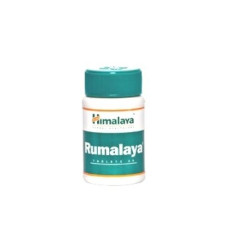
| Rumalaya 60 compresse | 83.08 € |
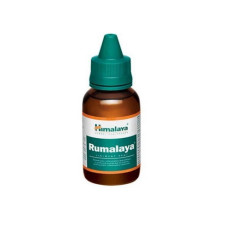
| Rumalaya 60 ml linimento | 86.58 € |
| Rumalaya Gel 30 g | 47.22 € |
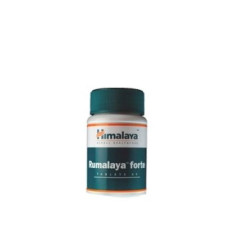
| Rumalaya forte 30 compresse | 45.47 € |
FAQ: Sciatica nel 2026
-
Occorre una ricetta per comprare Sciatica in farmacia?
-
Quali opzioni di pagamento sono accettate?
-
Qual è il prezzo di Sciatica in Italia?
-
È possibile ordinare Sciatica dalla vostra farmacia online?
-
Cosa devo sapere riguardo alla spedizione?
-
Sciatica è un prodotto legale in Italia?
-
I prodotti più venduti in farmacia