


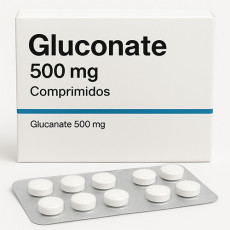
Medications for the Treatment of Tetany
Tetany is a condition characterized by involuntary muscle contractions, spasms, and tingling sensations, often caused by imbalances in calcium, magnesium, or other electrolytes. Prompt diagnosis and appropriate medication are essential to alleviate symptoms and prevent complications. Effective pharmacological treatment can significantly improve quality of life by restoring electrolyte balance and reducing muscle hyperexcitability. Scientific studies highlight that early intervention with suitable drugs can lead to rapid symptom relief and prevent progression to more severe episodes.
What is Tetany?
Tetany involves abnormal muscle contractions resulting from disturbances in calcium or magnesium levels, primarily affecting the nervous and muscular systems. It can be acute or chronic, depending on the underlying cause, and is often associated with conditions like hypocalcemia or hypomagnesemia. The disorder manifests through symptoms such as muscle cramps, tingling, and spasms, which can impair daily activities if not treated promptly. Diagnosing tetany early is crucial because it allows for targeted therapy that can quickly restore electrolyte balance and prevent more serious complications, including respiratory issues or cardiac problems. The condition affects individuals across all age groups but is more common in those with underlying metabolic or endocrine disorders.
Definition and Main Characteristics of Tetany
Tetany is a clinical syndrome characterized by sustained muscle contractions due to increased neuromuscular excitability. It is caused mainly by deficiencies in calcium or magnesium, which are essential for normal nerve and muscle function. The progression of tetany can be rapid if the electrolyte imbalance worsens, leading to severe spasms or even respiratory distress. It is classified as either primary, related to metabolic disturbances, or secondary, resulting from other medical conditions such as chronic kidney disease or parathyroid disorders. Risk groups include individuals with malabsorption syndromes, those undergoing thyroid or parathyroid surgery, and patients with chronic illnesses affecting mineral metabolism.
| Characteristic | Description |
|---|---|
| Type of disease | Electrolyte imbalance leading to neuromuscular hyperexcitability |
| Onset | Can be sudden (acute) or gradual (chronic) |
| Severity | Range from mild muscle twitching to severe spasms and respiratory issues |
| Risk factors | Hypocalcemia, hypomagnesemia, metabolic disorders, post-surgical states |
Symptoms of Tetany
Symptoms of tetany often include muscle cramps, twitching, tingling sensations, and spasms, especially in the hands, feet, face, and larynx. These manifestations can vary depending on the severity and duration of the electrolyte imbalance. Early signs may be subtle, such as numbness or muscle stiffness, but if untreated, symptoms can escalate to painful spasms or difficulty breathing. Recognizing these early indicators is vital for initiating prompt treatment, which can prevent escalation and reduce the risk of complications. Patients may also experience fatigue, anxiety, or abnormal heart rhythms if the condition persists.
How to Recognize the First Signs of Tetany
Initial signs of tetany often include numbness or tingling around the lips and fingertips, muscle twitching, and mild cramps. These symptoms are sometimes mistaken for other neurological or muscular conditions, but their association with electrolyte disturbances can help differentiate tetany. The presence of Chvostek's sign (facial muscle twitching upon tapping the cheek) or Trousseau's sign (hand spasm after blood pressure cuff inflation) are classic clinical indicators. Early detection relies on awareness of these signs, especially in at-risk populations, to facilitate timely intervention and prevent progression to severe spasms or respiratory compromise.
Causes and Risk Factors of Tetany
Several factors contribute to the development of tetany, primarily related to electrolyte imbalances caused by various conditions. These include nutritional deficiencies, chronic kidney disease, parathyroid gland dysfunction, or malabsorption syndromes. External factors such as prolonged fasting, alcohol abuse, or certain medications can also disturb mineral levels. Environmental influences like exposure to toxins or stress may exacerbate underlying metabolic issues. Recognizing these risk factors helps in early diagnosis and prevention strategies.
Factors Causing Tetany
- Hypocalcemia due to parathyroid hormone deficiency or vitamin D deficiency
- Hypomagnesemia from malnutrition, alcoholism, or diuretic use
- Chronic kidney disease impairing mineral regulation
- Post-surgical states affecting calcium or magnesium levels
- Malabsorption syndromes reducing mineral intake
| Risk Factor | Description | Probability |
|---|---|---|
| Hypocalcemia | Deficiency in calcium levels, often due to parathyroid issues | High in affected populations |
| Magnesium deficiency | Often linked to malnutrition or diuretic therapy | Moderate to high |
| Chronic kidney disease | Disrupts mineral homeostasis, leading to electrolyte imbalances | Variable depending on disease stage |
Types of Medications and Treatments
The management of tetany involves correcting the underlying electrolyte imbalance and alleviating symptoms. Treatment choices depend on the severity, cause, and patient-specific factors. Mild cases may respond to oral supplements, while more severe episodes require intravenous therapy under medical supervision. Always consult a healthcare professional before initiating treatment, as inappropriate use of medications can worsen the condition or cause adverse effects.
Medications for the Treatment of Tetany
Several classes of drugs are used to treat tetany, primarily aimed at restoring electrolyte balance and reducing neuromuscular excitability. Calcium salts, such as calcium gluconate or calcium chloride, are the mainstay for acute correction of hypocalcemia. Magnesium sulfate is used when magnesium deficiency is involved. Vitamin D analogs may be prescribed to improve calcium absorption in chronic cases. In some instances, anticonvulsants or muscle relaxants are employed to control severe spasms, always under medical supervision.
| Type of drug | Example of active principle | Therapeutic purpose |
|---|---|---|
| Calcium salts | Calcium gluconate | Rapid correction of calcium deficiency |
| Magnesium salts | Magnesium sulfate | Correct magnesium deficiency |
| Vitamin D analogs | Calcitriol | Enhance calcium absorption |
| Anticonvulsants | Carbamazepine | Control severe muscle spasms |
Naturally-Based Remedies for Tetany
Complementary approaches may include dietary adjustments and natural supplements to support electrolyte balance. For example, increasing intake of calcium-rich foods like dairy products, leafy greens, and fortified foods can help prevent deficiencies. Magnesium-rich foods such as nuts, seeds, and whole grains are also beneficial. Herbal remedies like chamomile or valerian may provide muscle relaxation, but their effects are mild and should not replace medical treatment. Always consult a healthcare provider before using natural remedies to ensure safety and appropriateness.
Forms and Presentations: Tablets, Capsules, Liquids
Medications for tetany are available in various forms, including tablets, capsules, syrups, and injectable solutions. Tablets and capsules are convenient for daily supplementation and often have a rapid onset of action. Liquids are suitable for children or individuals with swallowing difficulties. Injectable forms are used in emergency settings for immediate correction of electrolyte imbalances. Each form offers specific advantages, such as ease of administration or faster absorption, depending on the clinical situation.
Over-the-Counter (OTC) Medications
For mild symptoms, some OTC products like calcium and magnesium supplements can provide relief. These are generally safe when used as directed but should not replace professional medical care if symptoms persist or worsen. Common OTC options include calcium carbonate tablets or magnesium citrate powders. It is important to follow dosage instructions carefully and consult a healthcare professional if symptoms continue or intensify, as untreated electrolyte disturbances can lead to serious complications.
Diagnosis and When to See a Doctor
Diagnosis of tetany involves a thorough clinical examination, including assessment of symptoms and signs like Chvostek's and Trousseau's signs. Blood tests are essential to measure electrolyte levels, especially calcium, magnesium, and phosphate. Additional tests may include ECG, to detect cardiac disturbances, and imaging studies if an underlying structural cause is suspected. Self-medication is discouraged because proper diagnosis and tailored treatment are crucial for effective management. Early consultation with a healthcare provider ensures accurate diagnosis and appropriate therapy, reducing the risk of severe complications.
Diagnostic Tests and Methods for Tetany
Laboratory blood tests are fundamental to confirm electrolyte deficiencies. Electrocardiograms can reveal arrhythmias associated with electrolyte disturbances. In some cases, imaging studies like ultrasound or MRI may be used to evaluate parathyroid or other gland functions. Physical examination findings, such as positive Chvostek's or Trousseau's signs, support the diagnosis. These combined assessments help determine the severity and underlying cause of tetany, guiding effective treatment strategies.
| Test Type | Purpose | Diagnostic Value |
|---|---|---|
| Serum electrolyte levels | Identify calcium, magnesium, phosphate deficiencies | High sensitivity and specificity |
| ECG | Detect cardiac abnormalities related to electrolyte imbalance | Indicative of severity |
| Imaging (ultrasound, MRI) | Assess gland structures or underlying pathology | Supportive |
Signs That Require Immediate Medical Attention
Severe muscle spasms, difficulty breathing, chest pain, or loss of consciousness are urgent symptoms that demand immediate medical care. Sudden onset of paralysis or cardiac arrhythmias also indicate a critical situation. Delaying treatment in these cases can lead to life-threatening complications. If any of these signs occur, prompt hospitalization and emergency intervention are essential to stabilize the patient and correct electrolyte imbalances.
Precautions and Side Effects
Even medications considered safe can cause adverse reactions if misused. Following the prescribed dosage and instructions minimizes the risk of side effects. Monitoring for symptoms such as allergic reactions, gastrointestinal disturbances, or cardiac issues is important, especially in vulnerable populations like children, pregnant women, or the elderly. Regular follow-up with a healthcare provider ensures safe and effective therapy, reducing the likelihood of complications.
Most Common Side Effects
Common mild side effects include nausea, stomach upset, or mild allergic reactions like rash. Serious adverse effects, though rare, may involve allergic responses, cardiac arrhythmias, or kidney issues if overdosed. Patients should be aware of these risks and report any unusual symptoms promptly. Proper dosing and medical supervision are key to avoiding serious complications.
Tips for Safe Medication Use
- Always follow the prescribed dosage and schedule
- Avoid alcohol and certain foods that may interfere with absorption
- Store medications in a cool, dry place away from children
- Schedule regular check-ups to monitor electrolyte levels
- Report any side effects or unusual symptoms to your healthcare provider
Prevention and Daily Care
Preventing tetany involves maintaining balanced electrolyte levels through a healthy diet, adequate hydration, and managing underlying health conditions. Regular medical check-ups can detect early imbalances before symptoms develop. Adopting a healthy lifestyle, including proper nutrition and stress management, reduces the risk of electrolyte disturbances. Promptly addressing early symptoms can prevent progression and complications, especially in at-risk groups.
Recommended Habits to Reduce the Risk of Tetany
Incorporate calcium and magnesium-rich foods into your diet, stay well-hydrated, and avoid excessive alcohol or diuretics. Regular physical activity supports overall metabolic health. Managing stress and avoiding prolonged fasting or restrictive diets also help maintain mineral balance. Monitoring your health with routine blood tests, especially if you have underlying conditions, is essential for early detection and prevention.
| Prevention Area | Recommended Measures | Main Benefit |
|---|---|---|
| Diet | Consume calcium and magnesium-rich foods | Maintain electrolyte balance |
| Hydration | Drink adequate fluids daily | Prevent dehydration-related imbalances |
| Lifestyle | Avoid excessive alcohol and manage stress | Reduce risk factors for electrolyte disturbances |
Additional Preventive Measures
Secondary prevention includes regular medical evaluations, especially for individuals with known risk factors. Vaccinations are not directly related to tetany prevention but maintaining overall health is beneficial. Supplementation with vitamins D and B12 may support mineral metabolism. Following medical advice and adhering to prescribed treatments can help prevent recurrence and support long-term health.
Prognosis and Recovery
The outlook for tetany largely depends on the underlying cause, how quickly treatment is initiated, and the patient’s overall health. With timely and appropriate therapy, most patients recover fully without long-term effects. Delayed treatment or severe electrolyte disturbances can lead to complications, but early intervention generally results in a favorable prognosis. Maintaining a healthy lifestyle and adhering to medical recommendations are crucial for a complete recovery and preventing recurrences.
Typical Recovery Time
The duration of recovery varies with severity. Mild cases often resolve within a few days of correcting electrolyte imbalances, while more severe episodes may require weeks or months of ongoing management. Chronic cases may need continuous monitoring and treatment adjustments. The table below summarizes typical recovery times:
| Type of Case | Average Recovery Time | Comments |
|---|---|---|
| Mild electrolyte imbalance | Few days to one week | Complete resolution expected |
| Severe or chronic cases | Weeks to months | May require ongoing therapy and monitoring |
Factors Improving Prognosis
- Early diagnosis and prompt treatment
- Adherence to prescribed therapy
- Management of underlying causes
- Healthy lifestyle and diet
- Regular follow-up and monitoring
Lifestyle Changes for Better Outcomes
Patients should adopt balanced nutrition, stay hydrated, and avoid triggers like stress or certain medications. Regular exercise and adequate rest support overall health. Managing chronic conditions effectively also reduces the risk of recurrence. Educating oneself about early symptoms enables quicker response and treatment.
Potential Complications
If untreated or poorly managed, tetany can lead to serious issues such as respiratory failure, cardiac arrhythmias, or prolonged muscle weakness. In rare cases, persistent electrolyte disturbances may cause irreversible nerve or muscle damage. Preventing these complications depends on timely medical intervention and patient compliance with treatment plans. The following table summarizes possible complications:
| Complication | Frequency | Severity | Prevention |
|---|---|---|---|
| Respiratory failure | Rare | Severe | Prompt correction of electrolyte imbalance |
| Cardiac arrhythmias | Moderate | Serious | Monitoring and appropriate medication |
| Muscle damage | Low | Moderate | Early treatment of symptoms |
With proper management and ongoing care, most patients recover well and avoid long-term complications. Adherence to medical advice and lifestyle modifications are key to a positive prognosis.
Where to Buy Medications for Tetany
Medications for tetany are available both in pharmacies and online stores. It is important to verify the license and reputation of the pharmacy to ensure the authenticity and quality of the medicines. Avoiding counterfeit products is crucial for safety and effectiveness. All medications for tetany are accessible through our trusted online pharmacy in Italy, ensuring convenience and reliability.
Safe Shopping in Our Online Pharmacy
Shopping at our authorized online pharmacy offers several advantages, including professional consultation, guaranteed product authenticity, and secure payment options. Always check the pharmacy’s license, examine the packaging for tampering, verify expiration dates, and consult the pharmacist if you have any doubts. These precautions help ensure a safe and satisfactory purchase experience.
Can You Buy Tetany Medications Online Without a Prescription?
Yes, all medications used to treat tetany can be purchased online without a prescription through our pharmacy. In Italy, many over-the-counter options such as calcium and magnesium supplements are readily available. However, it is essential to use these medications responsibly and under medical guidance, especially if symptoms persist or worsen. Proper selection and dosing are vital to avoid adverse effects and ensure effective treatment. Always prioritize consulting a healthcare professional for accurate diagnosis and personalized therapy plans.
Shipping Options and Quality Assurance
We offer various shipping methods, including standard, express, and international delivery, to meet your needs. Our quality control measures include batch traceability, temperature regulation during transit, discreet packaging, and shipment tracking. These steps guarantee that your medications arrive safely and in optimal condition. When receiving your order, verify the integrity of the packaging and confirm the product details to ensure authenticity and quality.
Price, Availability, and Discounts in Italy
The cost of medications for tetany in Italy varies depending on the brand, dosage, form (tablets, capsules, liquids), and whether a prescription is required. Regional differences and pharmacy channels (physical or online) can also influence prices. Availability may fluctuate based on demand, seasonality, or supply chain factors, with some formulations available only upon request. Many pharmacies offer discounts, promotional codes, and loyalty programs that make treatments more affordable. Patients are encouraged to compare prices, inquire about generic options, and ask pharmacists about ongoing promotions to optimize their healthcare expenses. If a specific form or dose is not readily available, consulting the pharmacist for alternatives can ensure continuous management of the condition.
| Prodotti in farmacia | Prezzo |
|---|---|
| Gluconato | 0.00 € |
FAQ: Tetania nel 2026
-
Occorre una ricetta per comprare Tetania in farmacia?
-
Quali opzioni di pagamento sono accettate?
-
Qual è il prezzo di Tetania in Italia?
-
È possibile ordinare Tetania dalla vostra farmacia online?
-
Cosa devo sapere riguardo alla spedizione?
-
Tetania è un prodotto legale in Italia?